REVIEW · WHALE WATCHING
Vancouver’s Intimate West Coast Whale Watching Experience
Book on Viator →Operated by Wild Whales Vancouver · Bookable on Viator
Whales plus Vancouver scenery, without the big crowds. I like the small-group feel and the marine-biologist guide who explains what you’re seeing as you search for orcas and humpbacks. One thing to plan for: whale sightings are never guaranteed, so the day’s timing and results depend on where the animals are.
You’ll start from Granville Island, cruise the waters around some of Vancouver’s most photogenic spots, and then circle back with time to hit the Public Market. On board, you’re not left guessing about comfort either: bottled water and sunscreen are available, and every vessel has a toilet.
The possible drawback is pretty practical. Depending on sea conditions, you can get a bumpy ride and you may end up farther from wildlife than you’d like for perfect photo angles. Still, it’s a strong value if you want nature first and a tour with real expertise second.
In This Review
- Key points before you go
- Granville Island start: the easiest launch point for a whale day
- Small-group zodiac-style cruising and a guide who talks marine life
- How long this really takes: flexible 3 to 5 hours on whale time
- The on-water route: Stanley Park, English Bay, False Creek, and downtown views
- Stop 1: Granville Island
- Stop 2: Stanley Park
- Stop 3: English Bay Beach
- Stop 4: False Creek
- Stop 5: Downtown
- Stop 6: Granville Island Public Market and Kids Market (on return)
- What you’ll look for: orcas, humpbacks, seals, sea lions, and seabirds
- What’s included onboard (and what you’ll need to bring)
- Price and value: is $177.59 worth it?
- Weather, sea conditions, and comfort: your day will be partly decided by nature
- Who should book this and who should skip it
- Should you book this Vancouver whale watching tour?
- FAQ
- Where is the meeting point, and do I need to arrive early?
- How long is the whale watching tour?
- What wildlife might I see?
- What’s included onboard?
- Are there height or health restrictions?
- What happens if no whales are found or the tour can’t run due to weather?
Key points before you go
- Max 12 people keeps things interactive, with time for questions while you’re scanning the water
- Marine biology background means you’ll learn the why behind orcas, humpbacks, seals, sea lions, and birds
- 3 to 5 hours on the water depending on where wildlife shows up (flexible timing is the point)
- Granville Island return gives you an easy plan for food shopping at the Public Market
- Weather and sea conditions matter; tours can be adjusted or canceled if conditions are unsafe
- Bring binoculars since viewing can depend on distance and movement on the water
Granville Island start: the easiest launch point for a whale day
Granville Island is the kind of place that makes starting a tour feel less like an expedition and more like a Saturday plan. You’ll meet near the historic island area at 1806 Mast Tower Ln and you’ll want to arrive about 45 minutes early. That early buffer helps you get organized, find the meeting area, and settle in before you head out.
What I like about this start is the built-in “before and after” flow. You’re not stuck in a parking-lot waiting game. If you’re coming from downtown, it’s a convenient part of the city to build a full half-day around. And when you get back, you’re already in the right neighborhood for your next move.
A small heads-up: the tour doesn’t run on a rigid schedule because wildlife drives the timing. So treat the start time as your departure anchor, not your arrival certainty.
You can also read our reviews of more whale watching tours in Vancouver

Small-group zodiac-style cruising and a guide who talks marine life
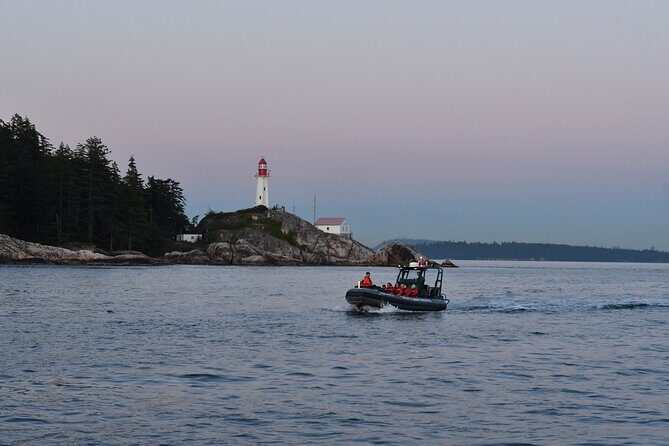
This is capped at 12 travelers, which is a big deal in whale watching. Smaller groups mean less jostling for views, more chances to ask questions, and better odds that you’ll actually hear what the guide is pointing out instead of straining to catch snippets.
The standout here is the guide team. You’re on board with a professional guide with a marine biology background, and passenger feedback consistently credits names like Julia, Yaz, Sarah, Hannah, and Beth for making the science click. Captains mentioned in reviews include Rodrigo and Ashley, and the common thread is that they’re working hard to get you into good areas while still staying respectful of the animals.
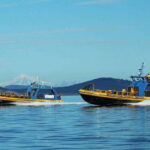
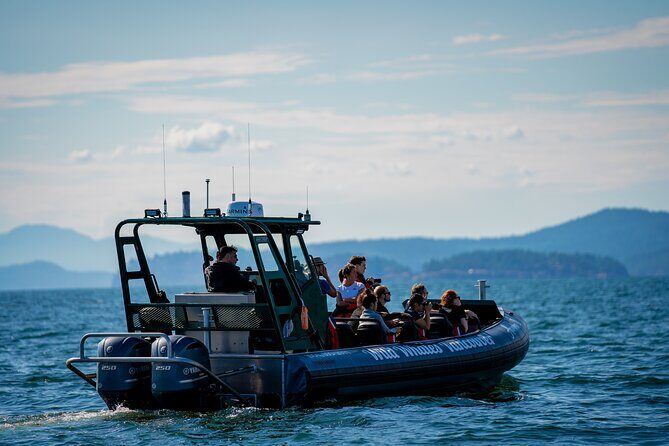
You might ride on an open-air zodiac-style boat, or you might be on a covered option depending on what’s running and weather on the day. Reviews mention full-body suits in colder conditions, and people often point out that what feels unnecessary at first can become a lifesaver once wind and spray hit.
Practical advice: if you sit near the back, expect to get wetter. That’s not a complaint so much as a heads-up for what kind of seat you’re choosing.
How long this really takes: flexible 3 to 5 hours on whale time
The duration is listed as about 5 hours, but the real number is 3 to 5 hours depending on where whales and other wildlife are located. That flexibility is the whole job description. The animals don’t read schedules, and the guide is out there using knowledge and observation to get you to the right stretch of water.
This also means your day has a “watch-and-wait” element. Once the group finds action, you’ll stop and spend time viewing and learning. If wildlife is active and nearby, you’ll feel like the day is flying. If sightings are limited, you might spend longer searching.
One more thing: the tour is described as flexible based on wildlife appearance, which is exactly why many people love it. You’re not on rails, and you’re not just doing a drive-by. You’re out there scanning, listening, and adjusting.
The on-water route: Stanley Park, English Bay, False Creek, and downtown views
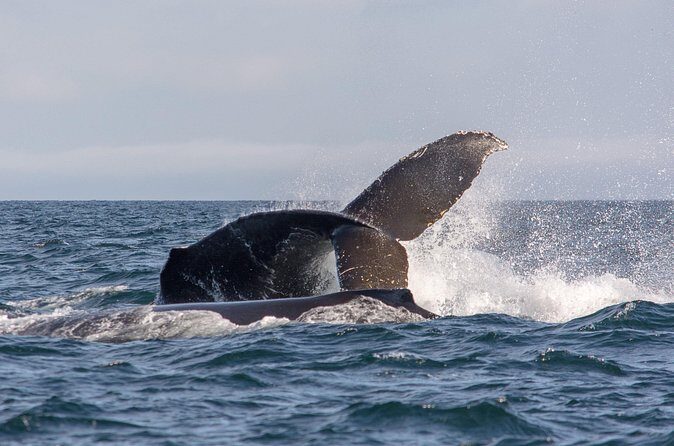
Even before you hit the whale-search phase, you get a cruise that shows you why Vancouver works as a whale-watching city. The itinerary includes scenic passes that help you stay engaged the whole way out and back.
Here’s what you should expect from the listed stops and sights:
Stop 1: Granville Island
You’ll start here and then head out. This is where you get your bearings fast and set your expectations: you’re heading onto the water, and the day becomes a moving wildlife search.






Stop 2: Stanley Park
Stanley Park is basically Vancouver’s natural postcard. From the water, you get a different angle on the coast and the way the city meets the sea. It’s a nice mental reset while you’re waiting for wildlife to show up.
Stop 3: English Bay Beach
English Bay brings wide open water views. It’s the kind of spot where you’ll appreciate the scale of the coastline, especially if you’re prone to getting seasick later. If you’re mentally calmer with open horizons, this stretch helps.
Stop 4: False Creek
False Creek adds that Vancouver-in-motion feel. You’re not just surrounded by water and sky; you’re also tracking the city’s edge. It’s good for photos, but it’s also a useful visual break while your eyes learn to scan the ocean surface.
Stop 5: Downtown
Seeing downtown from the water helps you remember you’re not off-grid. It’s a city day with a nature mission. This is also part of why people say the whole trip feels like more than a single sighting.
Stop 6: Granville Island Public Market and Kids Market (on return)
After the whale time is done, you’re back at Granville Island. There’s time to peruse the Public Market and check out the Kids Market. Lunch isn’t included, but food is available for purchase right outside the meeting point, so you can keep things easy.
One practical downside: if the weather turns messy, the time out on deck feels less like a scenic cruise and more like “survive the water spray with dignity.” Bring layers and plan to get wet.
What you’ll look for: orcas, humpbacks, seals, sea lions, and seabirds
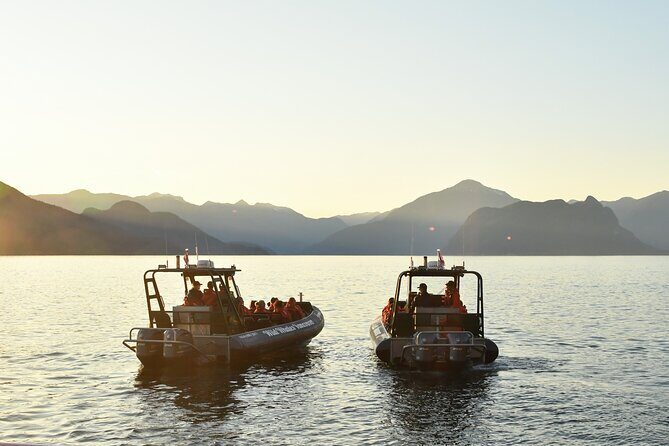
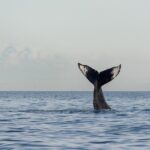
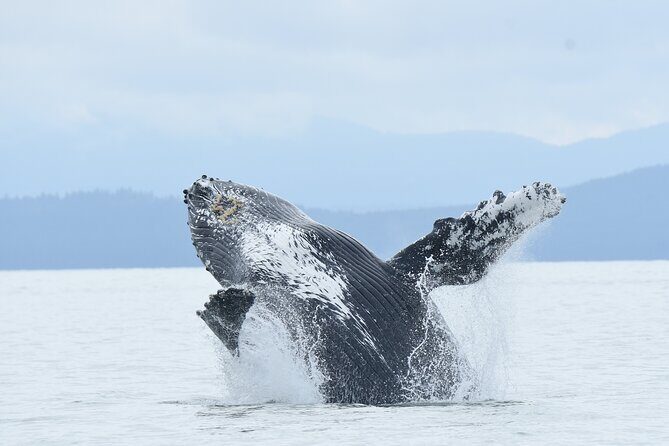
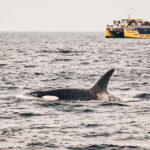
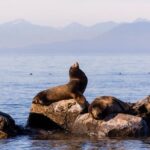
The core promise is clear: the guide helps you search for orcas, humpback whales, seals, sea lions, and sea birds. That list matters because it shapes what you should do with your eyes while you’re out there.
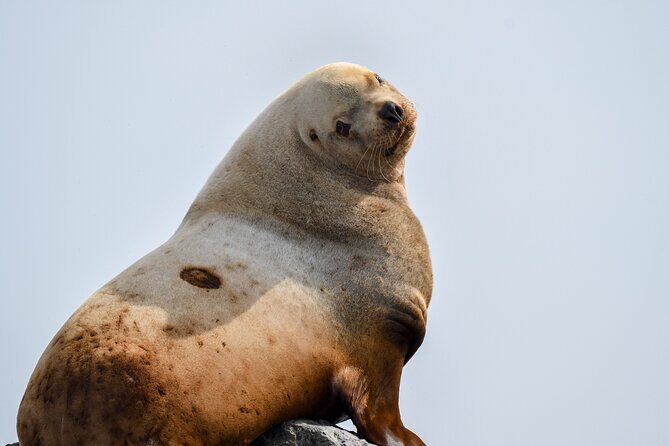
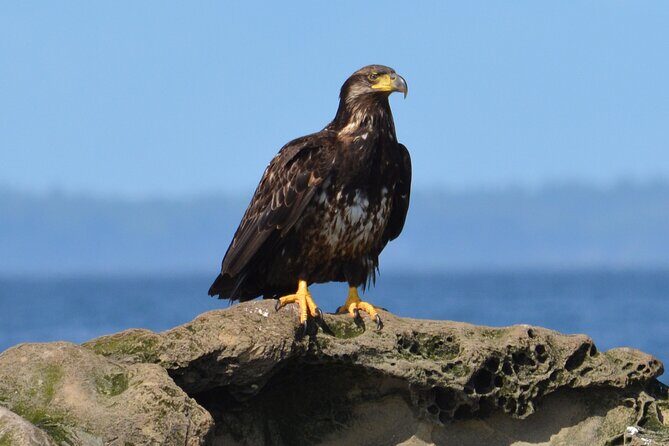
Orcas and humpbacks are the headline species, but the other animals are often what make the day feel full even if whale sightings aren’t nonstop. Reviews mention seeing bald eagles too, along with sea lions and other marine activity like porpoises and starfish. You might not see every species on every trip, but the experience is built to keep moving through the ecosystem instead of chasing one animal only.
Also, you should know viewing can depend on rules that keep a safe distance from whales. Some reviews point out that these distances can make whales harder to see at times, but that’s also part of what keeps the experience respectful and safer for everyone on board and for the animals.
My best advice: keep your expectations flexible. If you focus only on orca guarantees, you’ll feel disappointed more often than you need to.
What’s included onboard (and what you’ll need to bring)
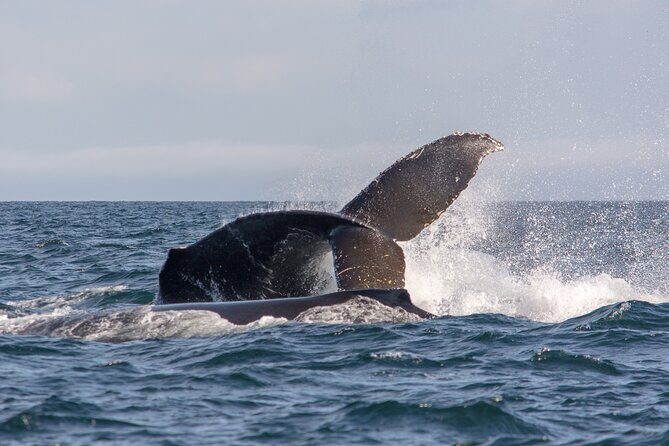
This tour is set up to reduce the common hassles of a marine outing.
Included:
- A professional guide with marine biology background
- A toilet on all vessels
- Bottled water available, and they encourage bringing a reusable bottle
- Sunscreen available onboard
Not included:
- Lunch (you can buy food at the Public Market near the meeting point)
- Hotel pickup/drop-off
On the comfort side, expect that the boat ride can be bumpy. If you’re sensitive to motion, plan for it. Reviews specifically call out rough water at times, and people describe the afternoon as long and bumpy while still calling it worth it.
What to bring (smart basics, not fancy gear):
- Binoculars: useful for spotting behavior and keeping up with quick surface changes
- Layers: even in warmer months, wind off the water can cool fast
- Something to handle getting wet if you’re in the back (you will not be able to fully control spray)
Price and value: is $177.59 worth it?
At $177.59 per person for roughly 3 to 5 hours, this isn’t a cheap add-on. But I think it becomes easier to justify once you break down what you’re actually buying.
You’re paying for:
- A marine biology–trained guide (not just a narrator)
- A small group (max 12), which improves both learning and sightlines
- A vessel setup designed for wildlife viewing, with onboard basics handled
- Flexible time on the water based on wildlife location, not a rigid sightseeing loop
Where the value can wobble is the nature part: if whales are scarce or the sea conditions don’t cooperate, your sightings may be more limited. Still, there’s a built-in safety net. If no whales are found, you get a next trip free voucher, with no expiration date and non-transferable terms.
So, is it worth it? For nature lovers who want expert guidance and real chances at orcas and humpbacks, the price feels in line with what you’re getting. If you want a guaranteed, booked-on-a-timetable whale encounter, you’ll likely be happier with a different style of wildlife experience.
Weather, sea conditions, and comfort: your day will be partly decided by nature
This is where you should get practical. The tour can be canceled based on sea conditions, and it’s listed as requiring good weather. That means your plan should include a little flexibility.
If you go, dress like the water is the boss:
- Bring layers for wind
- Expect spray
- Plan for motion, even if you’re in a more comfortable seat
People mention orange suits and full-body warmth gear being helpful once the wind hits. Also, the ride can be wet; one review flat-out warns that sitting in the back can mean getting very wet.
If you have back or neck problems, it’s not recommended. That’s not a soft recommendation either; the physical nature of a boat ride can aggravate issues.
Who should book this and who should skip it
This tour is a good fit if you:
- Want a small-group whale experience with real marine explanation
- Like being outdoors for the whole ride, not just for the final minute of sightings
- Enjoy asking questions and learning as you scan the surface
It’s also a strong choice if you’re staying around downtown and want a clean start from Granville Island, with an easy return plan for food at the Public Market.
You should skip it or consider another option if:
- You have back or neck problems
- You don’t meet the 5 ft (152 cm) height restriction
- You’re trying to plan around limited time for cancellations or weather changes
One more note: children must be accompanied by an adult. If you’re traveling as a family, this can still work well, but plan for cold/wet conditions and a longer boat ride.
Should you book this Vancouver whale watching tour?
I’d book it if you want an honest, nature-led whale search with a small team and a guide who can explain the ecosystem while you’re out there looking. The marine biologist format plus the Granville Island location makes it one of those tours that feels like a real outing, not a rushed attraction.
I wouldn’t book it if you need certainty. Wildlife timing is the driver, and sea conditions can change your day fast. But if you’re okay with that trade-off, this tour gives you a strong chance at memorable sightings like orcas, humpbacks, and plenty of other sea life.
If you’re traveling soon, do yourself a favor: bring binoculars, dress for wind and spray, and treat the day like a flexible adventure. That’s when it pays off most.
FAQ
Where is the meeting point, and do I need to arrive early?
Meet at 1806 Mast Tower Ln, Vancouver, BC V6H 4B6. You should arrive about 45 minutes before your scheduled start time.
How long is the whale watching tour?
The tour is listed at about 5 hours, but the actual time is 3–5 hours depending on where whales (and other wildlife) are located.
What wildlife might I see?
The tour is designed for sightings of orcas and humpback whales, plus seals, sea lions, and sea birds.
What’s included onboard?
You’ll get a professional guide with marine biology background. Each vessel has a toilet, and bottled water and sunscreen are available (reusable bottles encouraged).
Are there height or health restrictions?
Yes. There’s a 5 ft / 152 cm height restriction. It’s also not recommended for participants with back or neck problems.
What happens if no whales are found or the tour can’t run due to weather?
If no whales are found, your next trip is free via a voucher with no expiration date (non-transferable). The tour can also be canceled due to sea conditions; if canceled for poor weather, you’ll be offered a different date or a full refund.