REVIEW · PHOTOGRAPHY SESSIONS
Vancouver Half-Day Whale Watching Adventure with Free Photos
Book on Viator →Operated by Prince of Whales Whale & Marine Wildlife Adventures · Bookable on Viator
A catamaran is a smart way to chase whales. This half-day outing from downtown Vancouver combines heated indoor comfort, multiple viewing areas, and naturalist storytelling with a free wildlife photo package.
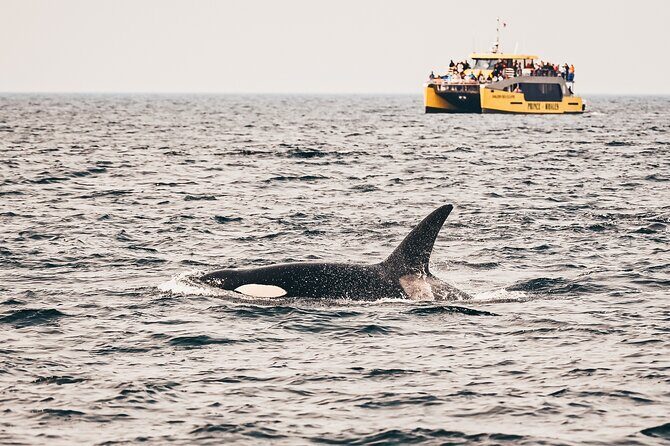
You’ll likely spot whales plus the smaller stuff that makes whale watching feel like real life: seals, sea lions, seabirds, and sometimes eagles. My two favorite parts are the warm ship layout (you’re not stuck freezing) and the photo package that lets you watch instead of wrestling your camera. One thing to plan for: whale sightings are wild and unpredictable, and the trip is often a steady search rather than nonstop action.
Prince of Whales runs a catamaran built for whale watching, departing near Granville Island and returning to the same point after about 5 hours. The vessel is set up with heated space and outdoor decks, plus onboard washrooms and hot drinks—so you’re not burning time on logistics or comfort.
In This Review
- Key Points I’d Pack for This Trip
- Granville Island Departure and the “Less Hassle” Setup
- The Catamaran Comfort: Heated Inside, Outdoor Views, and Real Space
- What You Do During the 5-Hour Whale Search (And Why Timing Matters)
- The Naturalist Team: Stories That Make the Water Make Sense
- Wildlife Chances: Whales Aren’t Trained, But You’ll See Plenty
- Free Photo Package: The Best Way to Watch Without Stress
- Price Check: Is $193.58 Good Value?
- Packing Tips That Actually Matter in October and Beyond
- Who This Tour Fits Best (And Who Might Want Another Plan)
- Should You Book Prince of Whales?
- FAQ
- How long is the whale watching tour?
- Where does the tour depart and where does it end?
- What’s included with the ticket?
- Is there a guarantee if I don’t see whales?
- What do I need to bring?
- Are languages other than English available?
- How early do I need to check in?
Key Points I’d Pack for This Trip
- Heated, windowed cabin plus outdoor decks: you can switch from warm to wide-open views fast.
- Free wildlife photo package: you get professional-looking shots by email, so you can stay in the moment.
- Naturalist-guided spotting: guides explain what you’re seeing and why certain areas matter.
- Whale Sightings Guarantee: if you don’t see whales, you may qualify for complimentary tours until you do (fees may apply).
- Stable catamaran feel: several passengers note comfort even when Vancouver weather turns blustery.
- Dress-for-the-water advice is consistent: bring layers and expect it to feel colder out there.
Granville Island Departure and the “Less Hassle” Setup
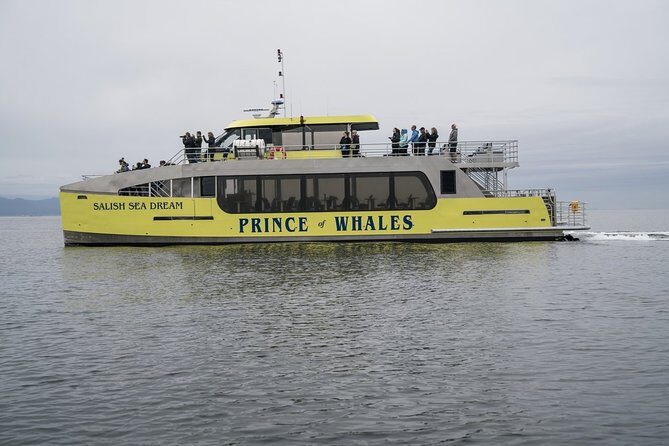
This tour is built for convenience. You meet at 1666 Duranleau St, Vancouver, BC V6H 3Y1, and the experience ends back at the same place. That matters because whale watching already has enough variables. You don’t want the day to get messy before you even reach the water.
Granville Island is also a plus. It’s close to downtown, and a lot of people find it easy to get there by taxi or public transit. One practical note: if you drive, don’t assume parking will be quick. Give yourself extra time because Granville Island can get crowded.
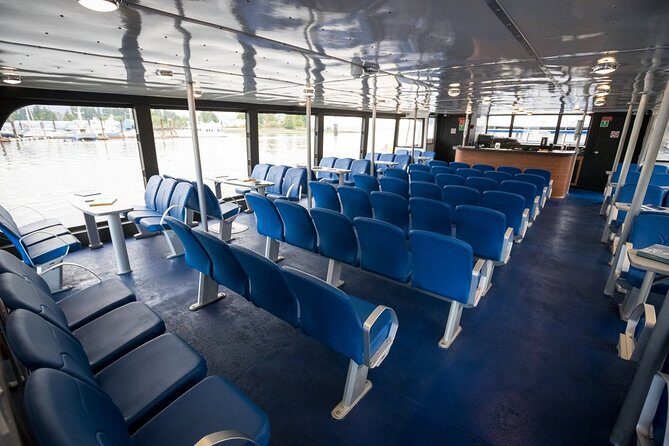
Once you’re aboard, the vessel design makes the whole hunt feel calmer. It’s a 95-passenger catamaran with heated indoor space and open-air decks. That means you’re not stuck choosing between comfort and visibility—you can do both.
You can also read our reviews of more whale watching tours in Vancouver

The Catamaran Comfort: Heated Inside, Outdoor Views, and Real Space
If you’ve ever done wildlife cruises on tiny boats, you know the tradeoff. Smaller vessels often mean fewer viewing positions and more time trapped in wind and spray. Here, the layout is the point.
You’ve got:
- a heated cabin with floor-to-ceiling windows for spotting while staying warm
- open air decks when the weather is good and you want unobstructed horizons
- multiple areas to reposition without feeling like you’re bottlenecked
Passengers who’ve done the trip in cool months consistently mention the temperature difference between land and water. Expect it to feel colder and breezier once you’re out on the Strait. That’s why the heated cabin earns its keep.
Two other comfort details are small but meaningful:
- hot drinks like coffee, tea, and hot chocolate are served onboard
- there are two washrooms, so you’re not planning your entire wildlife search around bathrooms
Also, the ship is described as stable and secure, even when Vancouver throws swells at you. That’s not just nice. It can make a big difference if you’re prone to motion sickness.
What You Do During the 5-Hour Whale Search (And Why Timing Matters)
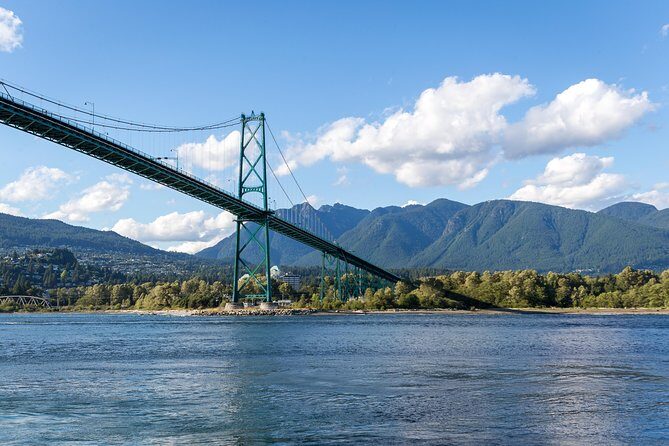
This is a half-day outing, about 5 hours on the water. The rhythm is simple: you leave, you scan, you listen for tells, and you look for wildlife in the places that make sense for that time of year.
Here’s the key thing to understand before you go: whale watching often isn’t instant fireworks. You can have a wonderful day without a whale appearing in the first minutes. Some trips start strong—one passenger described seeing whales within 37 minutes, and another reported whales within an hour of leaving the dock. Other days need patience.
So what fills the time?
- spotting from different decks and the heated cabin
- naturalist narration about local geology, ecosystems, and how marine life uses the area
- watching for secondary wildlife indicators like seabirds and marine mammals that can point you toward productive waters
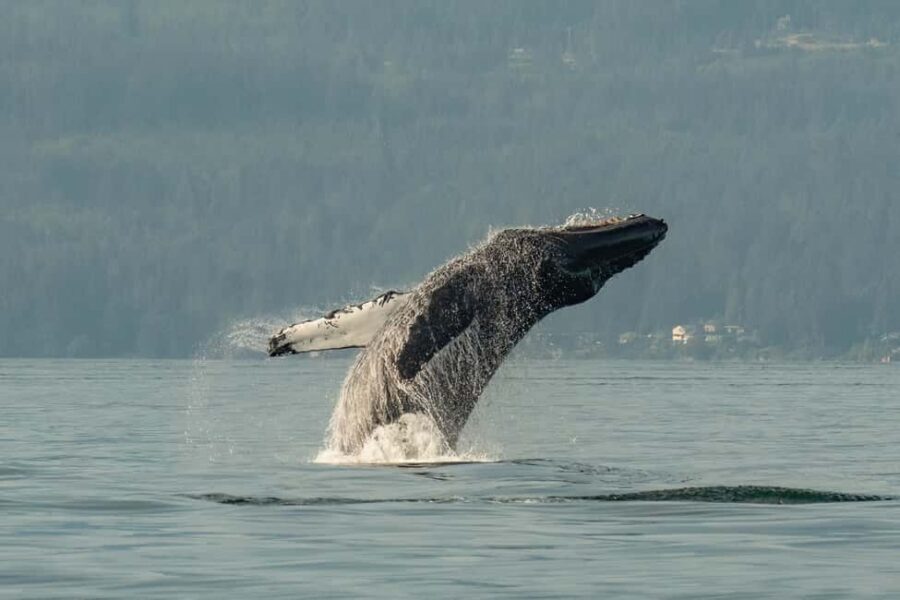
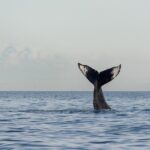
One review-based reality check is worth repeating plainly: if you’re expecting whales to leap constantly out of the water, you might feel disappointed. A lot of whale behavior is subtle—breaches or tail flukes when they surface, then long stretches of normal feeding and travel. That’s still fascinating, but it’s not the same as a theme-park show.
At the end, you head back to where you started. In other words, you’re not signing up for a full-day logistics marathon. It’s intense attention for a few hours, then you’re done.
The Naturalist Team: Stories That Make the Water Make Sense
Part of what you’re paying for isn’t just the boat. It’s the interpretation—helping you read the water like locals do.
This tour is run by a captain plus a crew of 3–4 guides/naturalists. People mention names like Petra, Ashley, Stephen, Wilma, Megan, Jill, Luke, Anthony, and Captain Andy. Since staffing can vary by date, I can’t promise you’ll get the exact same team—but the consistent idea is that the guides don’t just talk. They adjust to sightings and keep you focused on what matters.
The onboard talk is designed for real-time spotting: when whales are present, the guides explain what species you’re likely seeing and what behaviors mean. That’s how a sighting becomes memorable, not just blurry phone footage.
There’s also a practical content piece: digital language guides are available in German, Dutch, Spanish, English, and French. If you’re traveling with someone who doesn’t speak English well, it’s a good hedge.
One more detail I like for comfort: on colder, windier days, you can stay inside to keep warm and still use the windows for spotting. The only “watch your step” concern is sound. If the guide is talking outside in one area, wind can make it harder to hear from the heated cabin. If you care about every word, position yourself near where the narration is happening when they’re doing a talk.
Wildlife Chances: Whales Aren’t Trained, But You’ll See Plenty
This company markets a Whale Sightings Guarantee, which is the biggest practical safety net on a whale-watching day. The idea is straightforward: if you don’t see whales, you may qualify for complimentary tours until you do. The fine print matters: some fees may apply, and the guarantee mentions complimentary tours from all locations until you see whales.
Even so, you should still think of this as a wildlife search, not a vending machine. The sea decides.
That said, the sightings described around this experience are impressive. Depending on the day, people report:
- humpback whales (with names like Strike and Kappa mentioned by passengers)
- orcas (sometimes multiple groups, including hunting behavior)
- blue whales (also mentioned)
- Dall’s porpoises and several seabird species
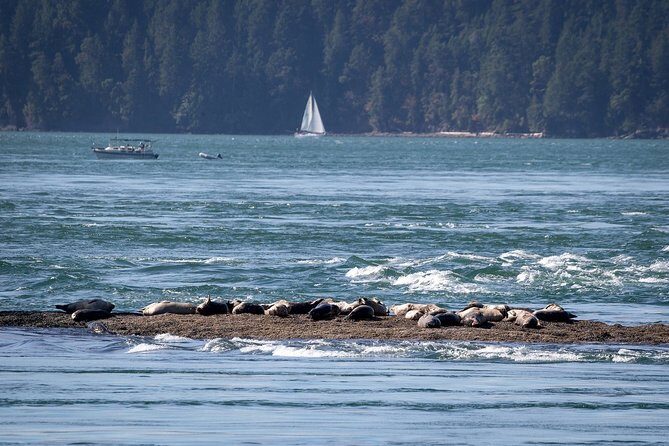
- harbor seals and Steller sea lions
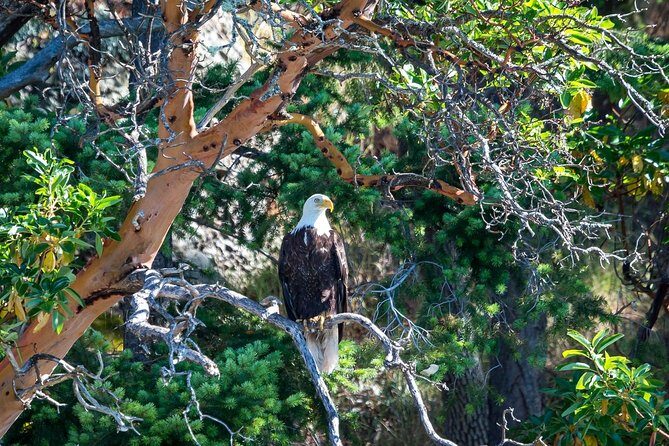
- bald eagles showing up near the end of a cruise
One passenger described a moment so close they could smell whale breath. Another described seeing multiple humpbacks and even an eagle at the finish. These are the kinds of memories whale watchers chase.
Also worth knowing: even when whales are the headline, the “support cast” is often what keeps the day fun between sightings. Seals and sea lions can be easier to spot than whales, and eagles can pop up when you’re scanning the wider area near land.
You can also read our reviews of more photography tours in Vancouver





Free Photo Package: The Best Way to Watch Without Stress
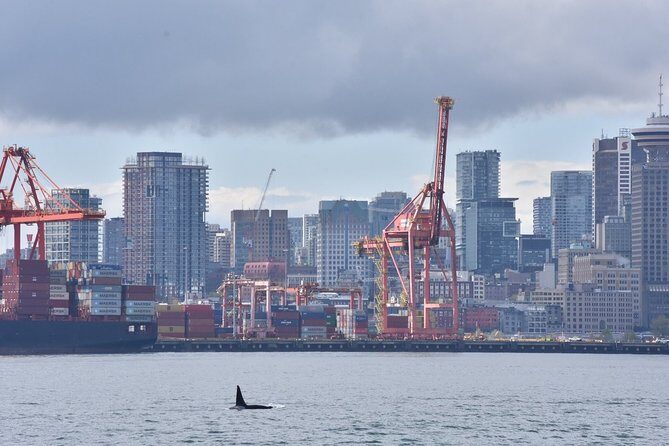
If you’ve ever tried to get a good whale photo while the boat rocks, you know how quickly it turns into a workout. This tour includes a free photo package featuring wildlife. That means you can spend more time watching and less time timing your shutter.
Passengers mention that the photos are delivered by email soon after the trip, and multiple people say the shots were great—good enough that they didn’t feel the need to capture everything themselves. One clever benefit: you’re not forced to keep your camera trained on the water if the guide calls a sighting and the best viewing angle changes.
If you do bring your own camera or phone, you’ll still want it. But the photo package gives you a safety net for moments you miss.
Price Check: Is $193.58 Good Value?
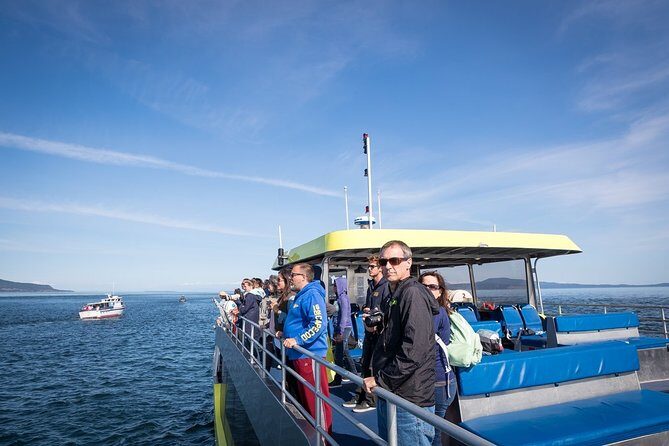
At $193.58 per person, this isn’t the cheapest whale watch in Vancouver. So the right question is: what do you get for that money?
Here’s what stands out as value-driving:
- comfort that reduces wasted energy: heated cabin plus decks
- included hot drinks (coffee, tea, hot chocolate)
- onboard washrooms, which sounds basic until you need them
- a free photo package that reduces your need for perfect DIY shots
- a whale sightings guarantee with complimentary tours until you see whales
You’re also paying for the guide structure: a larger crew setup than you’d typically see on the smallest boats, plus educational materials onboard.
I also think the “time on the water” matters. A few hours can feel short when whales are active and the guides are finding wildlife. Other days can feel longer if you’re waiting for a breakthrough—one passenger noted they didn’t see whales until later in the trip.
So my value verdict: this price makes sense if you care about comfort, interpretation, and having professional photos afterward. If you’re mainly chasing maximum action and you don’t mind weather discomfort, you might search for cheaper options. If you want a smoother experience with less stress, the bundled extras here help justify the cost.
Packing Tips That Actually Matter in October and Beyond
Do not treat this as summer-weather sightseeing. Even when Vancouver looks mild, the water can feel colder and windier. Passengers repeatedly point to the same advice: dress for the conditions out on the deck.
What to do:
- bring warm layers for wind
- consider a poncho or waterproof outer layer
- bring sunglasses, since bright sun can still hit even when it’s cold
- wear footwear you trust on a moving deck
One passenger put it bluntly: it can be at least 10° colder on the water depending on the season. Another noted it felt freezing in October and emphasized preparedness.
The good news is the ship helps. Hot drinks and a heated cabin soften the cold enough that you can stay focused on scanning the horizon instead of thinking about your hands freezing.
Who This Tour Fits Best (And Who Might Want Another Plan)
This tour fits best if you want:
- comfort while whale watching (heated indoor viewing is a big deal)
- guided explanation that helps you understand what you’re seeing
- a photo plan that doesn’t rely on luck with your own camera
- a sensible half-day length that keeps the rest of your trip open
It can also be a strong choice for families. One passenger mentioned their seven-year-old loved it, helped by the warm inside space and the onboard experience.
Who might hesitate:
- if you’re seeking nonstop whale action on a schedule, you may find it frustrating
- if you need frequent spoken narration from start to finish, you may want to sit where you can hear the guide when they talk outside
Should You Book Prince of Whales?
Yes, if you want the best mix of comfort, guidance, and memory-making. The heated cabin and multiple viewing areas make it a smart pick for fickle Pacific Northwest weather. The free wildlife photo package is a real convenience bonus, and the whale sightings guarantee is the biggest peace-of-mind feature in the entire offering.
Book it especially if your priorities are:
- staying warm and comfortable
- understanding the animals beyond just spotting spouts
- having solid photos without chasing every shot yourself
- maximizing your chance of seeing whales, even though the sea sets the agenda
If you’re purely chasing dramatic leaping whales every minute, keep expectations flexible. Whale watching is nature work: you show up prepared, you scan, you learn, and you enjoy what the ocean decides to give.
FAQ
How long is the whale watching tour?
The tour runs about 5 hours.
Where does the tour depart and where does it end?
It departs from Granville Island near downtown Vancouver, and the meeting point listed is 1666 Duranleau St, Vancouver. The activity ends back at the meeting point.
What’s included with the ticket?
It includes a free photo package featuring wildlife, educational materials onboard, complimentary tea, coffee, and hot chocolate, and two washrooms. The experience also includes indoor heated space and outdoor decks.
Is there a guarantee if I don’t see whales?
Yes. There is a Whale Sightings Guarantee that offers complimentary tours until you see whales (fees may apply), with details tied to the Lifetime Whale Sighting Guarantee.
What do I need to bring?
Dress appropriately for weather, since the tour operates in most weather conditions. Bring layers for wind and cold on the water.
Are languages other than English available?
Yes. There are digital language guides available in German, Dutch, Spanish, English, and French.
How early do I need to check in?
Check in is 30 minutes before departure time.