REVIEW · WHALE WATCHING
Wild Whale Watching Experience – Open Air Vessel
Book on Viator →Operated by Wild Whales Vancouver · Bookable on Viator
A whale cruise can be hit-or-miss, but this one feels built for spotting. I love the open-air Eagle Eyes setup for a full 360° view, plus the fact your boat can legally approach wildlife closer than others. The one thing to keep in mind is that the cruise runs 3–5 hours (up to 5) depending on where the whales are, so you should plan for time on the water.
If you’re after Vancouver wildlife that feels real—not staged—this tour focuses on the Strait of Georgia and the ecology behind it. A marine naturalist guides the hunt, and you’ll use borrowed field guides to ID what you’re seeing. Even better, the tour shares data that goes toward local research and conservation.
The experience is also designed to be practical. You’ll get a one-piece anti-exposure suit, water, sunscreen, and on-request help for motion sickness and comfort. For some people, there’s still a simple consideration: it’s not recommended if you have neck problems.
In This Review
- Key Highlights You’ll Actually Care About
- Eagle Eyes Open-Air Boat: Your 360° View of Vancouver’s Waters
- From Granville Island to English Bay: The Start That Doubles as a Scenic Cruise
- The Strait of Georgia Whale Hunt: How the Guide Helps You Spot More
- What You Might See: Orcas, Humpbacks, Minke, and Grey Whales
- Wildlife Beyond Whales: Sea Lions, Seals, Eagles, and Porpoises
- What’s Included: Suit, Water, Sunscreen, Field Guides, and Small Comforts That Matter
- Timing, Group Size, and Why the Trip Feels Less Crowded
- Price and Value: Is $169.74 Worth It?
- Tips to Get the Most From Your 3–5 Hour Cruise
- Who This Tour Fits Best (and Who Should Skip It)
- Should You Book Wild Whale Watching on an Open-Air Vessel?
- FAQ
- Where does the whale watching tour start?
- How long is the tour?
- What whales might you see?
- What other wildlife is the crew looking for?
- Is the boat open-air?
- What clothing is included for cold or wind?
- Are whale identification materials provided?
- Can I get help with motion sickness?
- What about ear plugs or comfort for noise?
- What happens if weather is poor?
- Are there any specific limits on who can participate?
Key Highlights You’ll Actually Care About
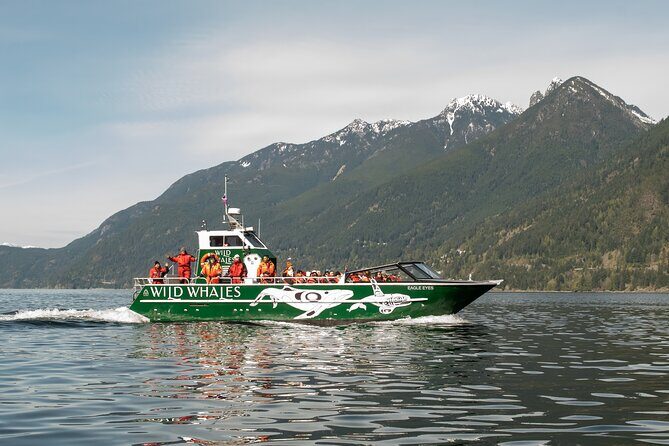
- 360° viewing on Eagle Eyes for seeing whales and birds without your view blocked
- Anti-exposure flotation suit included (arms and legs covered) for real warmth and comfort
- Closer legal approach than many boats, which can mean better sightlines when whales surface
- Marine naturalist + whale ID guides on board, so you learn while you watch
- Wildlife beyond whales like sea lions, seals, porpoises, bald eagles, and seabirds
- Small-group feel (max 35) for a less chaotic viewing setup
Eagle Eyes Open-Air Boat: Your 360° View of Vancouver’s Waters
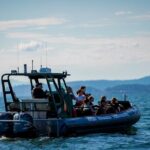
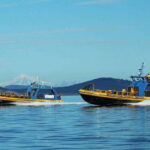
This whale watch runs on an open-air vessel called Eagle Eyes, and that design changes the experience in a big way. Instead of craning around inside a cabin or watching through glass, you’re looking out over the water the whole time. If a fin cuts across the surface or a tail fluke lifts at the edge of your vision, you’re more likely to catch it fast.
The boat also comes with a full-length anti-exposure suit you wear over your clothes. This isn’t just a warm-fuzzy add-on. On the water in Vancouver, you’ll feel wind chill, spray, and cool air as you cruise. The suit (one piece, arms and legs covered) gives you shelter from elements so you can stay focused on spotting wildlife instead of shivering.
What I like most is that the cruise feels guided but not rigid. You’ll be searching for whales, but the captain and crew adjust speed and positioning when wildlife is near. One review note that stuck with me: when whales were close, the captain slowed down or stopped at the right moments so everyone could really see what was happening. That kind of boat handling matters.
You can also read our reviews of more whale watching tours in Vancouver

From Granville Island to English Bay: The Start That Doubles as a Scenic Cruise
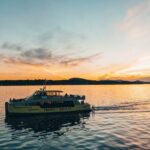
You meet at 1806 Mast Tower Ln, Vancouver, BC, and your trip begins from the Granville Island area. The first stretch is about getting your bearings and taking in the city from the water—views you just don’t get from land.
Then you head out toward English Bay and continue into the Strait of Georgia. This is where the mood shifts from sightseeing to scanning. The naturalist helps you understand what you’re looking at, and your focus turns from distant shorelines to the water surface itself.
Practical truth: the first part of the trip can feel like you’re just moving along—until you hit the right zone. Once the team starts finding signs of whales, you’ll feel the difference in pace. The hunt becomes purposeful, not random.
If you enjoy photos, this is a good time to capture Vancouver from a new angle before the wildlife chase begins. Just remember: the best whale moments can happen quickly, and you’ll want your hands free and your attention on the water.
The Strait of Georgia Whale Hunt: How the Guide Helps You Spot More
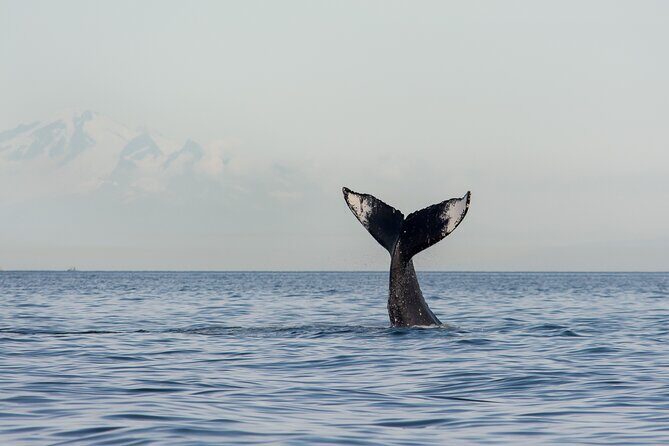
Your cruise is led by a marine naturalist, and the job isn’t only to tell you which animal you saw after the fact. The guide shares context while you’re searching—animal behavior, ecology, and local marine history and geography.
That matters because whales don’t put on a show on a schedule. You might spot a spout, a shadow moving under the surface, or a quick movement before the animal disappears again. When you know what behavior usually means, you can stay calm and keep scanning instead of wondering what happened.
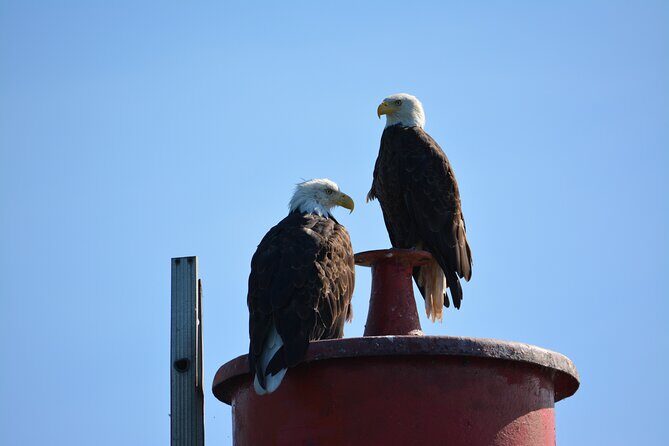
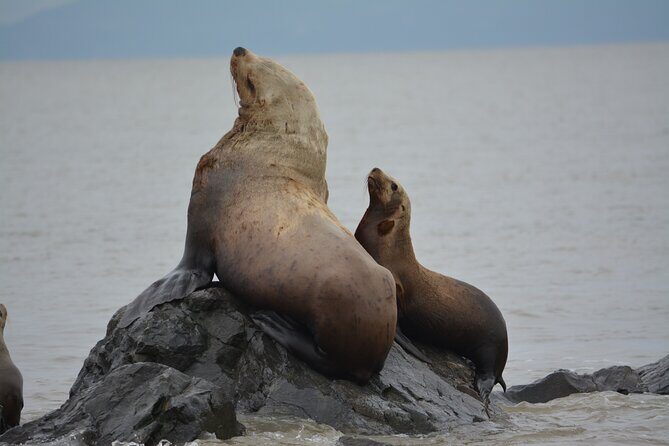
You’re specifically looking for orca (killer whales), humpback, minke, and/or grey whales. But you’ll also be watching for a wide range of other species: Steller and California sea lions, harbour or Dall’s porpoises, harbour seals, and birds like bald eagles and great blue herons. There’s even room for a lot of seabird activity, which can be another clue that life is concentrated in an area.
The tour’s emphasis on marine conservation makes the whole search feel meaningful. You’re not just clocking wildlife sightings; you’re learning how these animals use the local waters and how conservation efforts relate to what you’re seeing in real time.
What You Might See: Orcas, Humpbacks, Minke, and Grey Whales
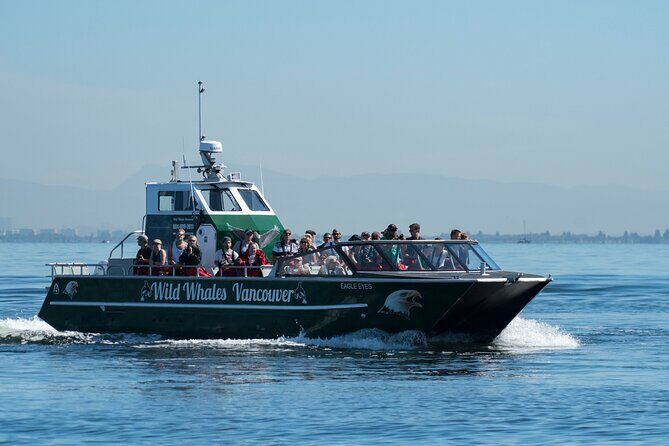
Let’s talk about expectations without sugarcoating them. This is wildlife watching. You can’t demand a specific species on a specific timeline. What you can do is go in knowing the kinds of sightings that are common here and how to recognize them.
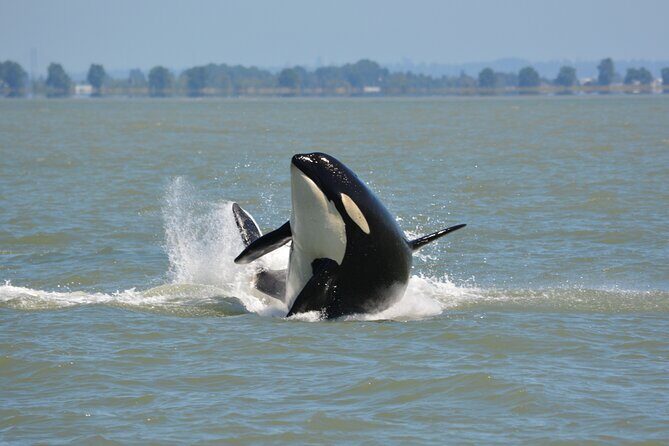
Orcas are the big draw for many people, and this tour is set up to find them. Orcas can show themselves multiple ways—fast movements on the surface, distinctive group behavior, and frequent surfacing when they’re active.
Humpback whales may be less frequent than orcas in any single outing, but when you do encounter them, the surface action can be dramatic. Keep your eyes on the area the naturalist points out, and be ready for a fin, back, or splash to appear without much warning.
Minke and grey whales are also part of the search. Grey whales are often associated with longer movements and clear surfacing patterns when they’re in the area. Minke sightings can be quick—so you want a crew that knows when to slow down and give you time to spot.
One detail that genuinely improves your odds of seeing something well: this vessel can legally approach wildlife closer than other vessels can. That doesn’t guarantee a guaranteed photo-op at arm’s length, but it can mean better viewing angles when animals surface. When the captain positions the boat thoughtfully, you get more time to actually watch, not just glance.
Wildlife Beyond Whales: Sea Lions, Seals, Eagles, and Porpoises
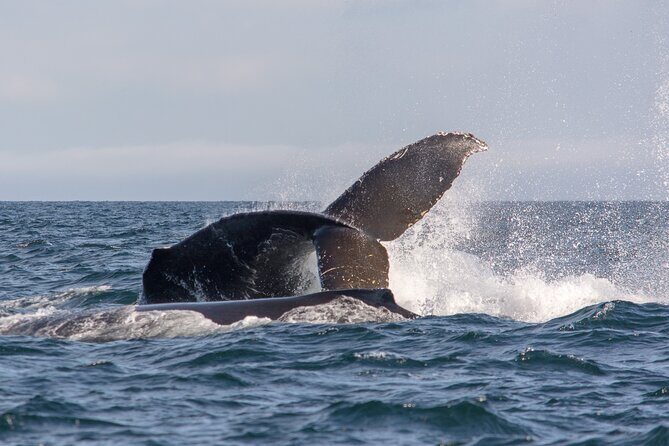
One of the smartest parts of this tour is that it doesn’t treat whales as the only win. You’re also scanning for other marine life that can show up even when whales are farther away.
You could see sea lions (including Steller and California), harbour seals, and porpoises (harbour or Dall’s). Porpoises can be especially easy to miss because they may surface quickly and then move on. That’s exactly where the naturalist’s guidance helps—knowing how movement patterns usually look from the boat.
Birds are another bonus. Bald eagles and great blue herons can appear near the waterline or around active areas. And you might also spot seabirds that gather when feeding activity is happening out in the Strait of Georgia.
This variety is valuable for two reasons. First, it makes the experience enjoyable even if whale sightings are brief. Second, it helps you build a mental picture of the ecosystem instead of treating the day like a single-species mission.






What’s Included: Suit, Water, Sunscreen, Field Guides, and Small Comforts That Matter
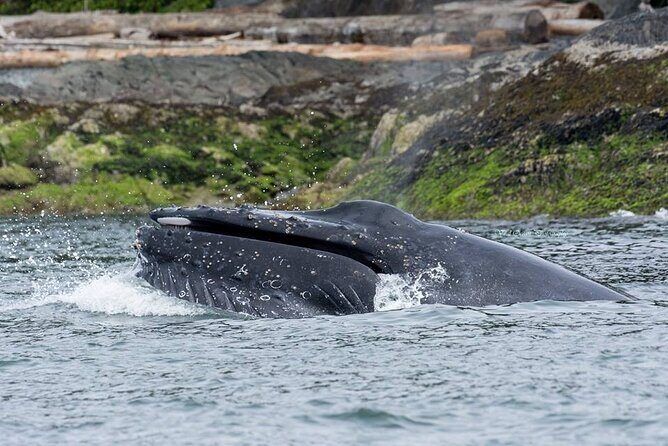
The included items here are part of why the tour holds up in real life.
You get a full-length anti-exposure flotation suit that you wear over your clothing. You also get bottled water on board, though you’re encouraged to bring a refillable bottle to cut down on single-use plastics. You’ll have sunscreen provided, which is useful even when it feels cool—sun and wind can combine fast.
The tour also provides field guides and whale identification guides that you can borrow during the cruise. For me, this turns whale watching into learning. You’re not waiting until later to figure out what you saw—you can ID while it’s still fresh.
Motion comfort is handled too. If you request it, you can get ginger candy for motion sickness. Ear plugs are also available on request if you want them.
One more practical detail from experience style notes: the boat includes a restroom on board, which is a real relief when the trip stretches closer to five hours.
Timing, Group Size, and Why the Trip Feels Less Crowded
The tour runs about 5 hours (approx.), and on average it’s booked about 23 days in advance. The maximum group size is 35 travelers, which matters because it affects how quickly you can get a clear viewing angle when something surfaces.
You’re also out for 3–5 hours depending on where the whales are. This is common for whale watches, but you still need to plan for it. The longer you’re out, the more you’ll appreciate having the right gear and snacks.
Here’s the simple advice: bring your own snacks. The boat can be out that long waiting for whales to surface or move into range. Buying food mid-cruise isn’t part of this experience, so pack something you’ll actually enjoy.
Transportation is straightforward since it’s near public transportation, so you’re not stuck figuring out complicated logistics on a tight schedule.
Price and Value: Is $169.74 Worth It?
At $169.74 per person, this isn’t a cheap outing. But I think it’s a fair price for what you get.
You’re paying for more than the boat ride. Included is the anti-exposure suit, water, sunscreen, and on-board field guides. You also get a marine naturalist guiding the search and explaining animal behavior and local ecology. That educational layer is part of the value, because it helps you see more and understand what you’re witnessing.
Then there’s the operational factor: the cruise is set up to find whales in the Strait of Georgia and has the ability to approach legally closer than many vessels can. That can translate into better viewing angles when whales are near—an actual difference, not just a marketing line.
Finally, the experience is rated 4.9 with 97% recommended. I don’t treat those numbers as the whole story, but they do tell you that many people feel they got what they hoped for.
Tips to Get the Most From Your 3–5 Hour Cruise
If you want your day to run smoothly, focus on comfort and attention.
- Wear warm layers under the suit. The suit helps, but layers still matter when you’re on the water for hours.
- Bring snacks and a refillable bottle. You may be out up to five hours.
- If you’re sensitive to motion, ask for ginger candy. It’s available upon request.
- Plan for ear protection if you prefer it. Ear plugs can be provided on request.
- Keep your eyes up and scanning, even during travel time. Whales can surface unexpectedly, and the guide will be pointing out what matters.
- Be patient with timing. Whale movement controls the day. The captain and crew respond, but you can’t rush nature.
Small thing, big payoff: when the crew slows or positions the boat, take it seriously. That’s when the best sightings often happen.
Who This Tour Fits Best (and Who Should Skip It)
This tour is a good match if you want:
- a more guided wildlife experience with a marine naturalist,
- an open-air 360° setup,
- and a day that blends conservation learning with real animal watching.
It’s also a strong choice if you care about viewing comfort. The anti-exposure suit changes things, especially when the wind picks up.
It’s not recommended for travelers with neck problems because you’ll likely be looking around and watching for spouts and movement.
Most people can participate, but if you have medical limitations related to neck movement or cold exposure, consider whether the open-air setting and scanning posture will work for you.
Should You Book Wild Whale Watching on an Open-Air Vessel?
I’d book this if you want the best chance to see and learn, not just to check off whale watching. The Eagle Eyes open-air design and the suit included setup make a real difference, and the naturalist plus whale ID guides mean you’ll come away knowing what you actually saw.
Skip it (or at least think twice) if you hate waiting on the water. The ride can run up to five hours depending on whale locations, and wildlife doesn’t follow a schedule. Also, if neck issues are a concern, this is specifically not recommended.
If your goal is a focused wildlife cruise from Vancouver that keeps you comfortable while you scan a wide area—this is a strong pick.
FAQ
Where does the whale watching tour start?
It starts at 1806 Mast Tower Ln, Vancouver, BC V6H 4B6, Canada, and it ends back at the same meeting point.
How long is the tour?
It runs about 5 hours (approx.). The journey can last from 3 to 5 hours depending on where the whales are.
What whales might you see?
The search includes orca (killer whales), humpback, minke, and/or grey whales.
What other wildlife is the crew looking for?
They may also look for Steller and California sea lions, harbour or Dall’s porpoises, harbour seals, bald eagles, great blue herons, and many seabird species.
Is the boat open-air?
Yes. The tour is on the Eagle Eyes open-air vessel with an unrestricted 360° view.
What clothing is included for cold or wind?
You receive a full-length, one-piece anti-exposure flotation suit (to be worn over your clothing).
Are whale identification materials provided?
Yes. Field guides and whale identification guides/learning materials can be borrowed on board.
Can I get help with motion sickness?
Yes. Ginger candy can be provided upon request.
What about ear plugs or comfort for noise?
Single-use ear plugs can be provided upon request.
What happens if weather is poor?
This experience requires good weather. If it’s canceled due to poor weather, you’ll be offered a different date or a full refund.
Are there any specific limits on who can participate?
Most travelers can participate, but it is not recommended for travelers with neck problems.