REVIEW · HOP-ON HOP-OFF TOURS
Vancouver: Hop-on Hop-off Sightseeing Tour with 10 Stops
Book on GetYourGuide →Operated by Westcoast Sightseeing · Bookable on GetYourGuide
A double-decker loop is the fast lane to Vancouver. What makes this one interesting is the mix of harbour scenery and major neighbourhood stops, all on a route you can ride more than once. I especially like how it gives quick access to places such as Gastown’s Steam Clock and the Stanley Park viewpoints without needing a car.
I also like that the ticket includes a multilingual audio-guide app and two included self-guided walking tours for slower, deeper time. The main drawback to plan for is timing: weekends and traffic near Stanley Park can make a full circuit slower than you expect, and some stops can get crowded.
In This Review
- Key things I’d watch for before you board
- Hop-on Hop-off Freedom in Vancouver’s Core
- Price and value for the $47 ticket
- Where you start: Canada Place and the loop you can repeat
- Getting around: bus frequency, crowds, and real-world timing
- Stop-by-stop: what each part of the route is really for
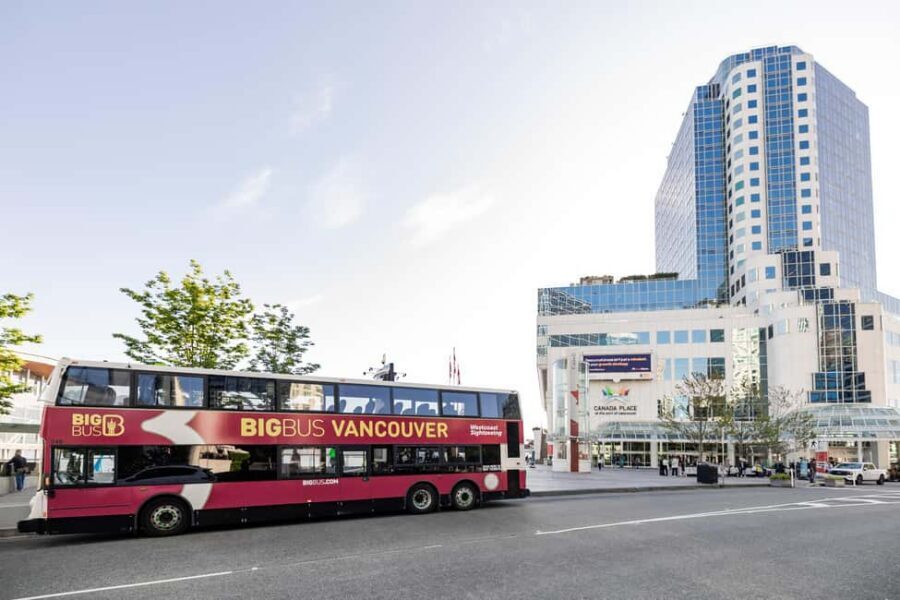
- Canada Place (Start): waterfront views and an easy launchpad
- Pinnacle Hotel Harbourfront + Robson Street (Pass by): city energy without the parking stress
- Coal Harbour (Pass by): harbourfront calm and photo angles
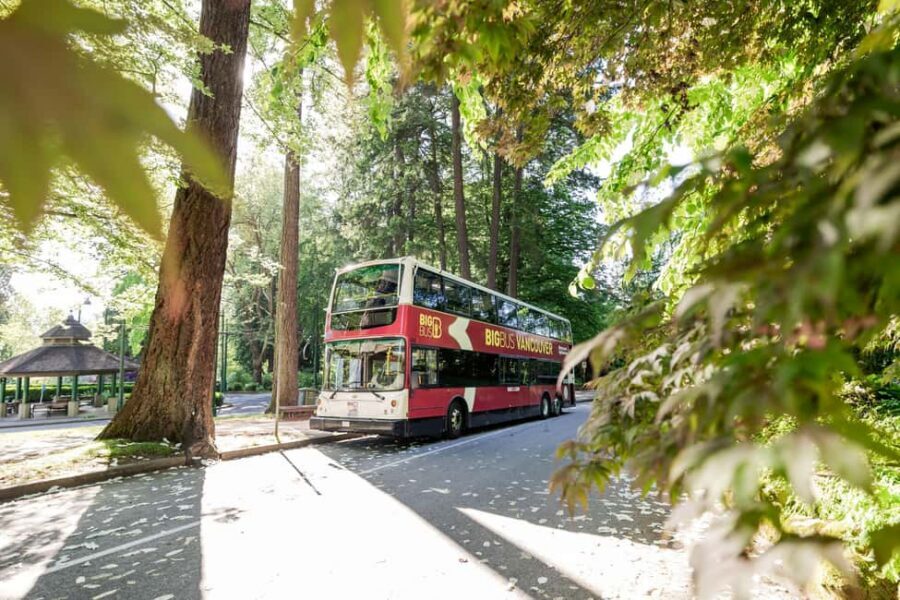
- Stanley Park (Pass by with the big sightseeing payoff)
- Sutton Place Hotel Vancouver + Davie Village (Pass by): downtown-to-West End transition
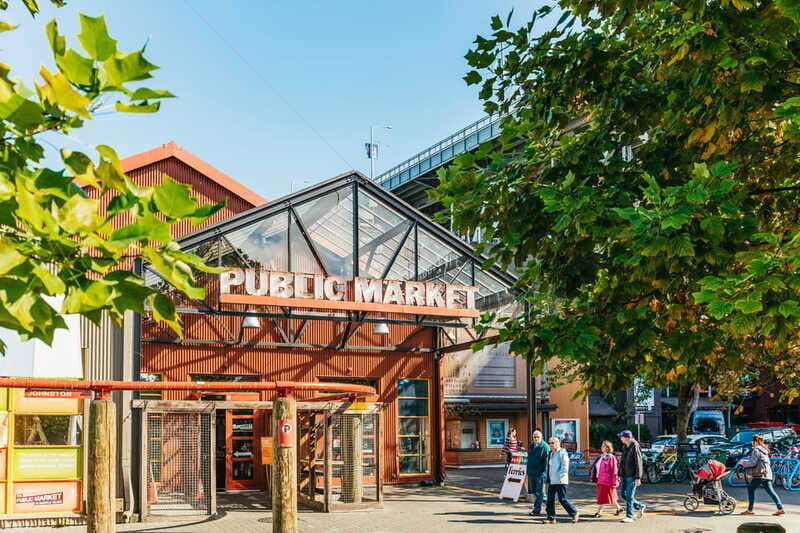
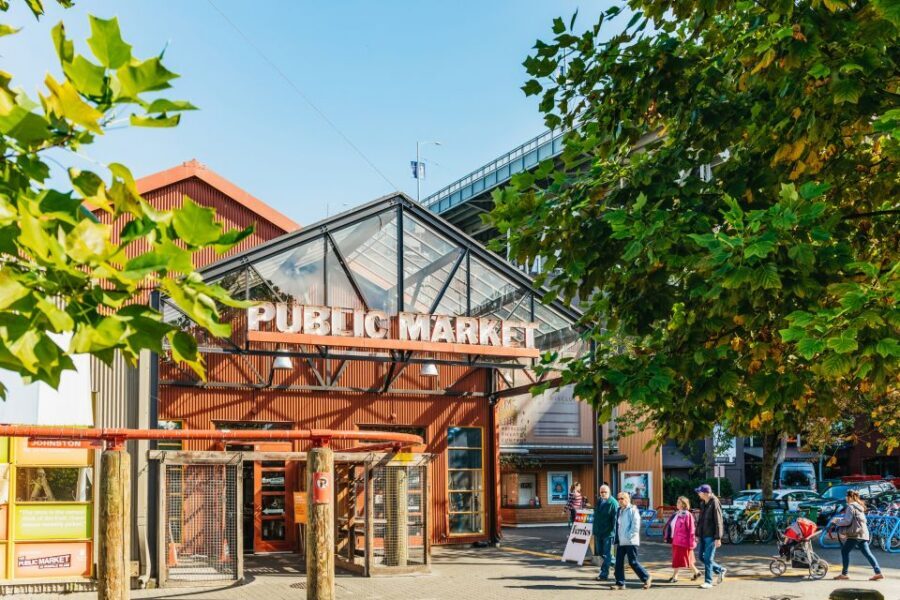
- Granville Island (Stop): where you go to slow down and eat
- Best Western Premier Chateau Granville Hotel & Suites & Conf. Centre + Sandman Signature Vancouver Downtown Hotel (Pass by)
- Library Square & Vancouver Public Library (Stop): central, photogenic, and a strong waypoint
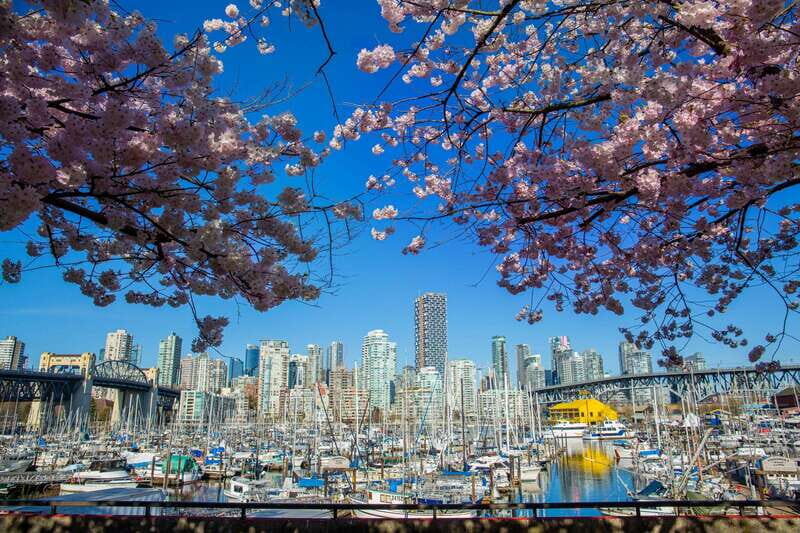
- False Creek (Pass by): water views and the pull toward Science World
- Chinatown (Stop): compact streets and quick history feel
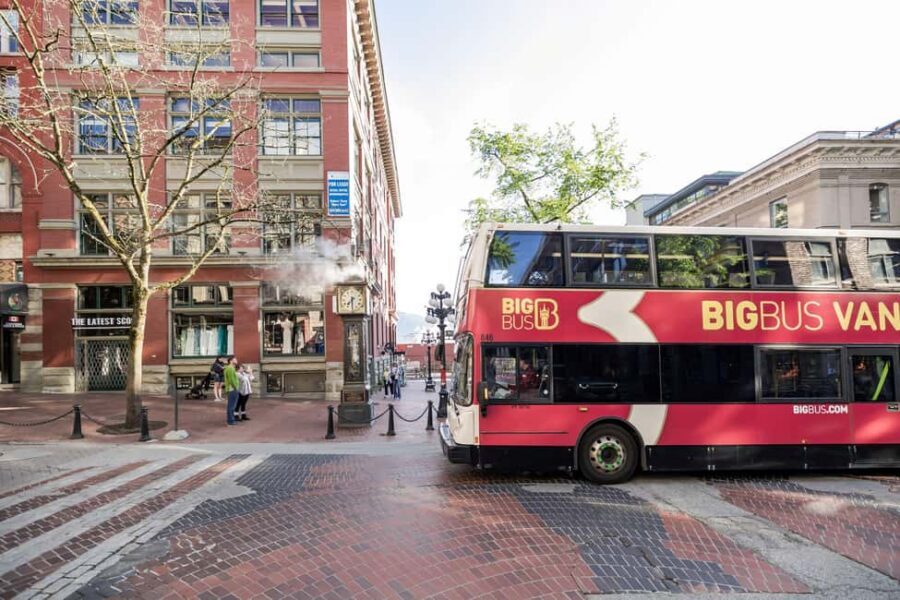
- Gastown (Stop): Steam Clock and the most photogenic streets on the route
- Arrive back at Canada Place: finish where you started
- Audio-guide app and onboard narration: how to make it worth your time
- Walking tours included: how to use them without overplanning
- What to bring, and what not to
- Who this tour fits best
- Should you book this Vancouver hop-on hop-off bus?
- FAQ
- How much is the Vancouver hop-on hop-off sightseeing tour?
- How long is the ticket valid for?
- Where is the meeting point?
- How do I activate my ticket?
- What stops and areas does the route include?
- Is the audio guide included, and in what languages?
- Are walking tours included with the ticket?
- How often do the buses run?
- Can I bring a wheelchair, stroller, or walker, and are pets allowed?
- Can I cancel or pay later?
Key things I’d watch for before you board
- 10 stops, easy hop-on freedom to spend extra time where you actually want it
- Stanley Park + harbour/False Creek views packed into one ride
- Onboard commentary varies by driver, so live narration can make the trip feel more personal
- Crowds at top stops can mean you wait for the next bus
- Buses run more often in summer (every 15–30 min) than winter (35–40 min)
Hop-on Hop-off Freedom in Vancouver’s Core
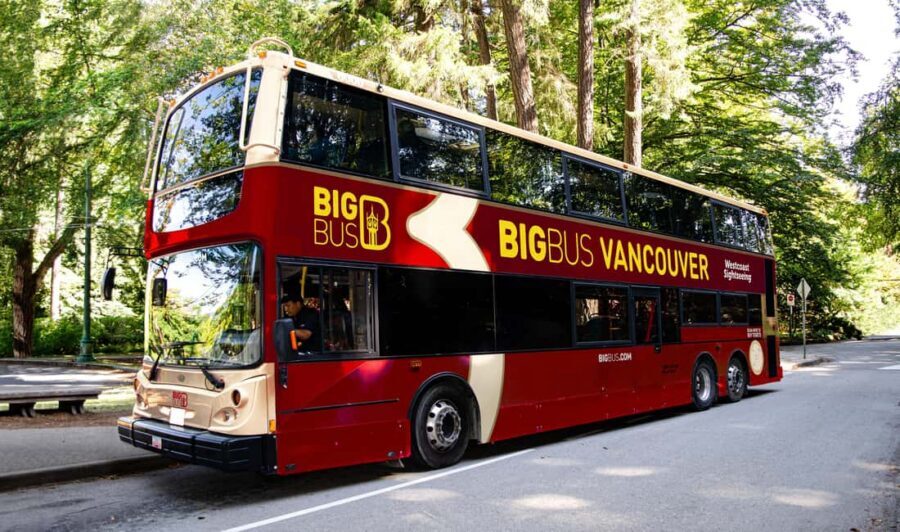
This bus tour is built for the reality of city travel: you want to see a lot fast, but you do not want to feel rushed. The double-decker format helps, because you can scan the skyline and waterfront from above while you travel between areas like Gastown, Chinatown, and Granville Island.
The big payoff is flexibility. You can do a full loop for an overview, then hop off again on your second pass when something caught your eye, like the harbourfront blocks near Canada Place or the busy pedestrian areas around Gastown.
You can also read our reviews of more tours and experiences in Vancouver.



Price and value for the $47 ticket
At about $47 per person, this is not a bargain ticket, but it is also not trying to replace all your other plans. The value comes from the combination: a hop-on hop-off ride for 24 or 48 hours, a free audio-guide app in 7 languages, and two self-guided walking tours.
If you only have one short day, the 24-hour option can still pay off because the route strings together the heavy hitters: Canada Place, Chinatown, Gastown, Granville Island, and Stanley Park views. If you have two days, you can spread it out and cut down on backtracking, which matters in Vancouver where distances can feel longer than they look on a map.
Where you start: Canada Place and the loop you can repeat
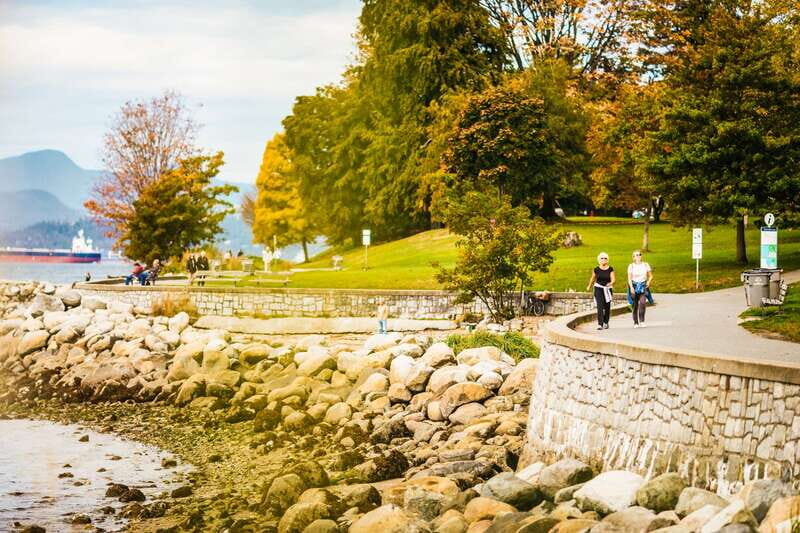
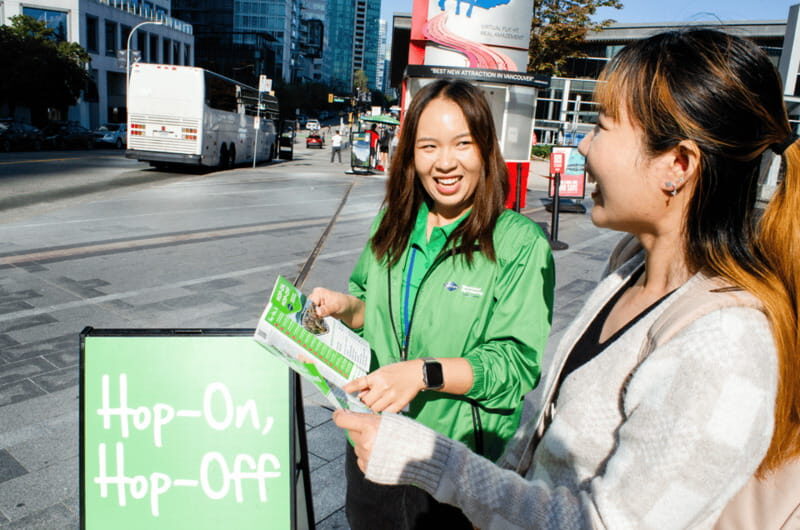
Your starting point is 400–999 Canada Place. The recommended jump-on spot is Big Bus Stop 1 at 999 Canada Place Way, in front of the Welcome Centre, which is handy if you want a clear meeting point right away.
You can activate your ticket in either of two ways:
- Use the Big Bus app and your Activity Provider Reference Number
- Show your printed or mobile voucher to staff or the driver at any stop during operating hours
No hotel pickup or drop-off means you are responsible for getting yourself to the stop, but the route is centralized, so it is usually simple to plug into other plans once you get moving.
Getting around: bus frequency, crowds, and real-world timing
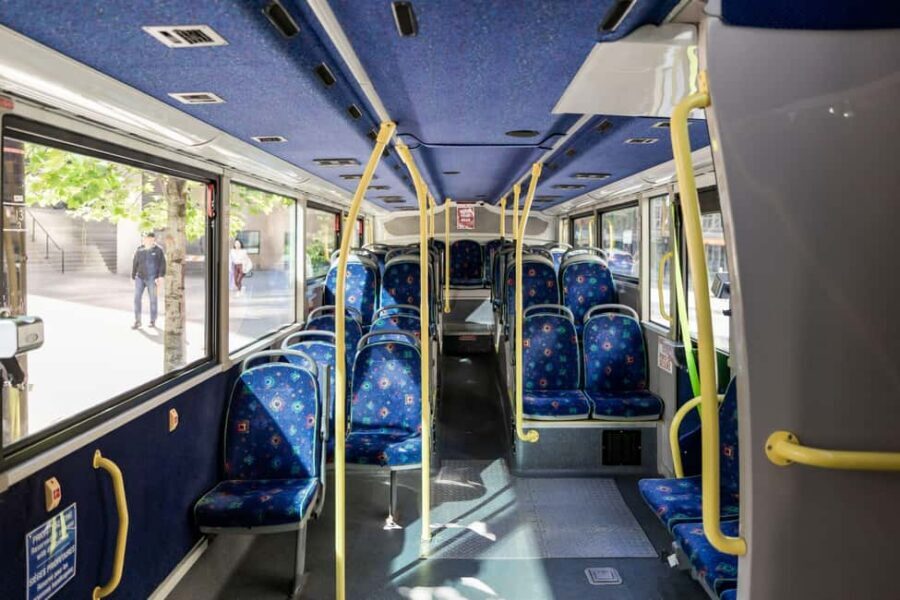
Bus frequency depends on the season. From May to September, you can expect buses every 15–30 minutes. From October to April, it stretches to about 35–40 minutes.
That difference matters. In winter, if you miss a bus at a crowded stop, the next one may be a longer wait. In summer, it is more forgiving, especially if you are hopping off and grabbing food on the go.
One more practical point: Vancouver traffic can slow things down, and the area around Stanley Park can take longer than expected. Plan your first loop as your orientation ride, not a strict schedule, and keep your most time-sensitive reservation for later in the day or the next day.
Stop-by-stop: what each part of the route is really for
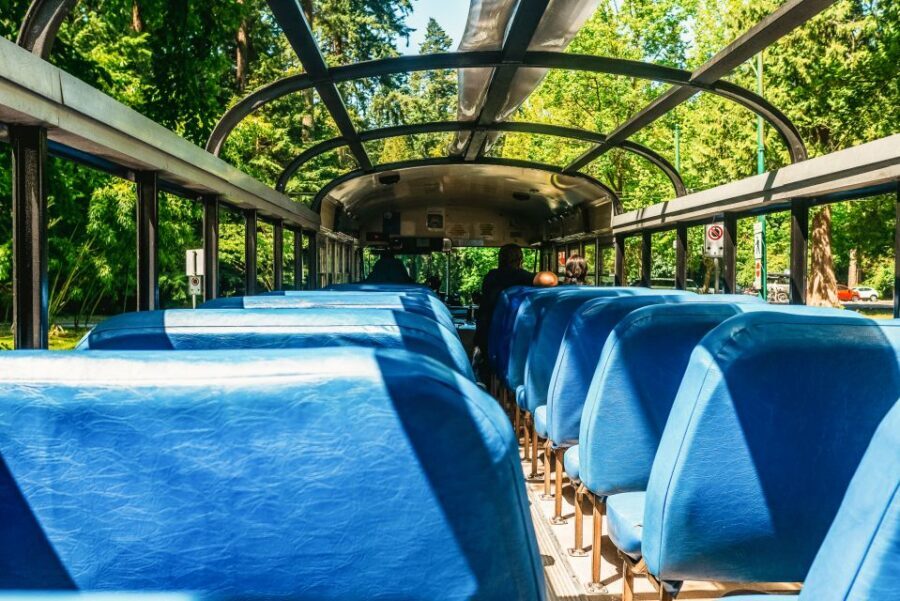
Below is how I’d think about the route in human terms—what you gain at each stop, and what can be annoying.





Canada Place (Start): waterfront views and an easy launchpad
Starting at Canada Place is smart because you get right onto the water’s edge. This is also where you can link up with other central activities quickly, and it is one of the cleanest spots to begin your loop.
If you are arriving in town and need bearings fast, this stop helps. You are close to a lot of the action, and the skyline views set the tone for the rest of the day.
Pinnacle Hotel Harbourfront + Robson Street (Pass by): city energy without the parking stress
You pass the Harbourfront area and then Robson Street, which is one of the main downtown streets for walking and shopping. You are not meant to hang out here for long during the ride, but you get a sense of where the city’s business core meets the waterfront.
If you like to wander, Robson is the kind of street you might want to hop off for later—especially if you are combining the bus with meals or browsing.
Coal Harbour (Pass by): harbourfront calm and photo angles
Coal Harbour is a quieter stretch than the downtown core. From the bus, you get quick glimpses of the water and boats, which makes the ride feel less like just “transport” and more like a moving viewpoint.
The downside is that because it is a pass-by area, you will not get much time unless you intentionally schedule an extra stop later.
Stanley Park (Pass by with the big sightseeing payoff)
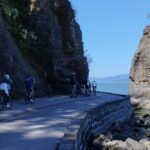
Even when the bus is “just passing,” Stanley Park is the star of this route. The tour’s promise here is practical: you can hop off for the Seawall, Rose Garden, and viewpoint access that includes looks toward Lions Gate Bridge.
This is also where crowds can concentrate. If you try to time your hop-off during peak periods, you might find the stop is full and you wait for the next bus. My advice: treat Stanley Park as a half-day plan if you can, or pair it with a second day so you are not racing the clock.
Sutton Place Hotel Vancouver + Davie Village (Pass by): downtown-to-West End transition
These pass-by segments help you understand the geography: you are moving from the polished harbour/downtown zone into neighbourhood terrain that changes fast. Davie Village is known for its distinct local character, and even seeing it from the top deck tells you how Vancouver blends city life with sea air.
Because you’re not meant to linger here on the bus, it is a “learn the map” moment. Hop off later only if you already know you want to walk.
Granville Island (Stop): where you go to slow down and eat
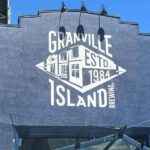
Granville Island is one of the most useful stops because it gives you something Vancouver is good at: a place where you can walk, browse, and snack in the same block. Expect shops and places to eat, and plan to use more than a quick photo break.
If you have limited time, I’d still prioritize at least an hour here. It is the kind of stop that turns a generic sightseeing day into a personal one.
Best Western Premier Chateau Granville Hotel & Suites & Conf. Centre + Sandman Signature Vancouver Downtown Hotel (Pass by)
These stops are mainly about convenient access to downtown hotels and nearby walking routes. They are not usually the “destination” stop in the way Granville Island or Gastown is, but they can help if you are staying in that area and want easy pick-up points.
Use them when they make your schedule smoother, not because they are the main sights.
Library Square & Vancouver Public Library (Stop): central, photogenic, and a strong waypoint
The Vancouver Public Library area is a good stop for a quick reset. From here, you can often connect to viewpoints and central attractions without crossing the whole city.
It also helps if you want to break up the ride before heading toward False Creek, Chinatown, and Gastown. Think of it as a “calm down and regroup” stop.
False Creek (Pass by): water views and the pull toward Science World
False Creek is where the city starts looking more like a patchwork of waterways and walkable edges. The tour highlights options tied to this area, including Science World, which is a common stop for families and anyone who likes active, modern Vancouver.
As a pass-by section, it is best for grabbing views while you travel, then using another day to walk if you want more time.
Chinatown (Stop): compact streets and quick history feel
At Chinatown, you get a real change of pace. The bus drop-off makes it simple to wander without needing a separate ride, and it is easy to combine with nearby stops like Gastown.
This is another stop where timing can matter. If it is busy, you might spend more time navigating foot traffic than you planned.
Gastown (Stop): Steam Clock and the most photogenic streets on the route
Gastown is where the sightseeing feeling turns into something memorable. The route specifically calls out the Steam Clock, and this stop is one of the best for photos and atmosphere.
I also like that you can treat Gastown like a choose-your-own-adventure stop. Spend 20 minutes if you are only sampling. Or spend longer if you want to linger with street life and small detours.
Arrive back at Canada Place: finish where you started
Looping back to 400–999 Canada Place makes it easier to keep your day organized. It also means you can finish with dinner or a final stroll without planning your exit route.
Audio-guide app and onboard narration: how to make it worth your time
The ticket includes a free audio-guide app in Chinese, English, French, German, Japanese, Korean, and Spanish. This is useful because Vancouver can be complicated to read visually, especially if you are trying to understand what you are seeing between stops.
One big tip: the trip feels best when the driver is doing live storytelling. Names like Sherry and Dan come up in the experience notes, and people often talk about how their narration adds colour beyond the standard recording. When you hear live commentary, you can ask a quick question, too, which makes the ride feel less like a screen and more like a guided city walk from above the street.
If audio clarity is spotty on a particular bus (crowd noise, different drivers, or sound levels), you can still rely on the app and use the big visual cues: harbour, waterfront, and the changes in neighbourhood streets.
Walking tours included: how to use them without overplanning
Two self-guided walking tours come with your ticket. This is smart because bus tours give you the broad strokes, while walking helps you notice details—doorways, street layouts, and the small stuff you would normally miss from a seat.
I suggest using the walking tours on your second day, or right after your bus loop when your mental map is clearer. If you try to do them too early, you might spend time looking around without knowing what you are looking for.
What to bring, and what not to
This tour is practical, but there are a few rules:
- No pets
- No luggage or large bags
- Wheelchairs, walkers, and strollers are accepted on a first-come, first-served basis
If you have a daypack, you’re likely fine. If you have bigger luggage, you may need to rethink the plan or store your bags elsewhere before you board.
Who this tour fits best
This is a good match if:
- You want a fast overview of Vancouver’s key sights
- You like the freedom to hop off and decide later
- You are planning around water views and neighbourhood walking
It can feel less ideal if:
- You need a perfectly timed schedule with no delays (traffic can stretch things)
- You hate crowds at popular stops, especially around Stanley Park and Granville Island
- You want deep, hands-on touring at every stop rather than flexible visiting time
Should you book this Vancouver hop-on hop-off bus?
I’d book it if you want an efficient way to see a lot of Vancouver without renting a car or chaining together multiple rides. The route makes it easy to hit the central core—Canada Place, Chinatown, Gastown, and the big natural draw of Stanley Park—while keeping time flexible with the hop-on setup.
I would hesitate only if your trip is very tight and you cannot tolerate possible delays from traffic and crowds. For everyone else, it is a solid way to get your bearings, build a short list for follow-up walks, and spend your limited time where you actually want to be.
FAQ
How much is the Vancouver hop-on hop-off sightseeing tour?
The price is listed as $47 per person.
How long is the ticket valid for?
The ticket is valid for 1 to 2 days, depending on whether you purchase the 24-hour or 48-hour option.
Where is the meeting point?
The starting location is 400–999 Canada Place. The recommended starting point is Big Bus Stop 1: Canada Place / Vancouver Convention Centre (999 Canada Place Way, in front of the Welcome Centre).
How do I activate my ticket?
You can activate by downloading the Big Bus app and using your Activity Provider Reference Number, or by showing your printed or mobile voucher to staff or a driver at a stop during operating hours.
What stops and areas does the route include?
The route includes Granville Island, Stanley Park, Library Square & Vancouver Public Library, False Creek, Chinatown, and Gastown, plus other pass-by stops along the downtown waterfront corridor.
Is the audio guide included, and in what languages?
Yes. A free audio-guide app is included in Chinese, English, French, German, Japanese, Korean, and Spanish.
Are walking tours included with the ticket?
Yes. Your ticket includes two self-guided walking tours.
How often do the buses run?
From May to September, frequency is every 15–30 minutes. From October to April, it is every 35–40 minutes.
Can I bring a wheelchair, stroller, or walker, and are pets allowed?
Wheelchairs, walkers, and strollers are accepted first-come, first-served. Pets are not allowed, and luggage or large bags are not allowed.
Can I cancel or pay later?
Yes. You get free cancellation up to 24 hours in advance for a full refund, and you can reserve now & pay later if that option is available when booking.