REVIEW · STANLEY PARK TOURS
Vancouver: Stanley Park Talking Trees Tour
Book on GetYourGuide →Operated by Talaysay Tours · Bookable on GetYourGuide
Trees start sounding different fast. In this Stanley Park Talking Trees Tour, you don’t just stroll through green space—you learn how Coast Salish communities used local plants for food and medicine and why that knowledge still matters today. I especially like the conversation-style pacing with frequent stops, plus the focus on stories tied to specific trees and plants, not generic park facts.
The one thing to weigh is that this is still a walking tour (about 2.2 kilometers at a leisurely pace), and it’s recommended for kids 12 and older. If you’re traveling with a very small child, you may need to coordinate with the guides ahead of time so the experience fits.
In This Review
- What Makes the Talking Trees Tour Different From a Usual Park Walk
- Key Points at a Glance
- Meeting at the Stanley Park Bus Loop (Near the Gazebo)
- 90 Minutes That Actually Feels Like a Conversation
- Stanley Park Loop: Where the Trees Have Names, Uses, and Stories
- A Good Stop-And-Notice Style of Walking
- Beaver Lake Tea Ceremony: The Tasting Moment That Connects Everything
- Price and Value: Why $58 Can Make Sense Here
- Who This Tour Is Best For (And Who Might Skip It)
- What to Bring (So Weather and Comfort Don’t Steal Your Focus)
- The Nature-Learning Style You’ll Feel Immediately
- Quick Practical Notes Before You Go
- Should You Book the Vancouver Talking Trees Tour?
- FAQ
- How long is the Stanley Park Talking Trees Tour?
- Where exactly do I meet my guide?
- Is hotel pickup included?
- Is the tour in English?
- What’s included in the price?
- Are there any restrictions on bags or luggage?
- What should I bring?
- What walking distance should I expect?
- Is this tour suitable for children?
What Makes the Talking Trees Tour Different From a Usual Park Walk
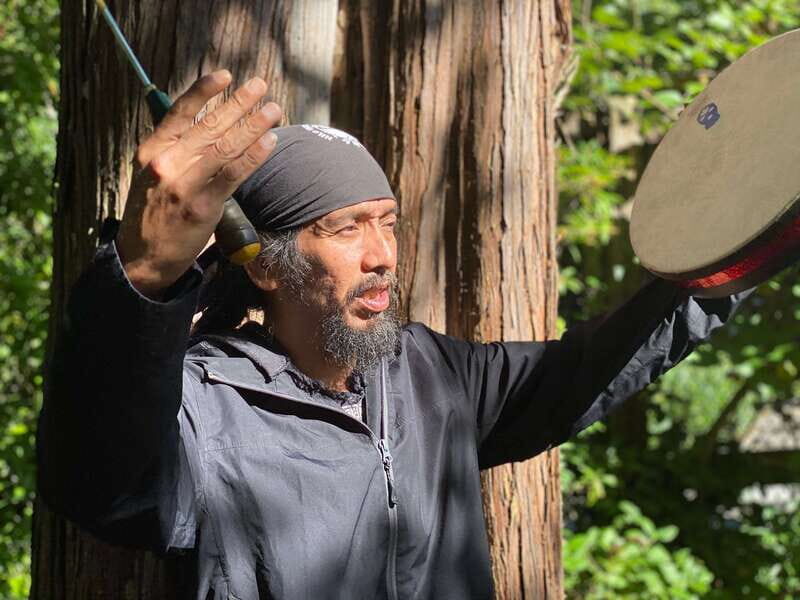
Here’s the big idea: the trees are not background. They’re teachers. And the guide’s role is more than pointing out species—it’s connecting plants to everyday life: harvest, care, and cultural tradition across generations.
You’ll hear how the Pacific Northwest’s plants were used for food and medicine, and how communities also applied them in everyday technology. That practical angle is what keeps the tour from feeling like a lecture.
Also, the tea part is not an afterthought. You’ll pause at Beaver Lake for an Indigenous tea moment, and it adds a calm, human beat to the morning (or afternoon) compared with bouncing from stop to stop.
Key Points at a Glance
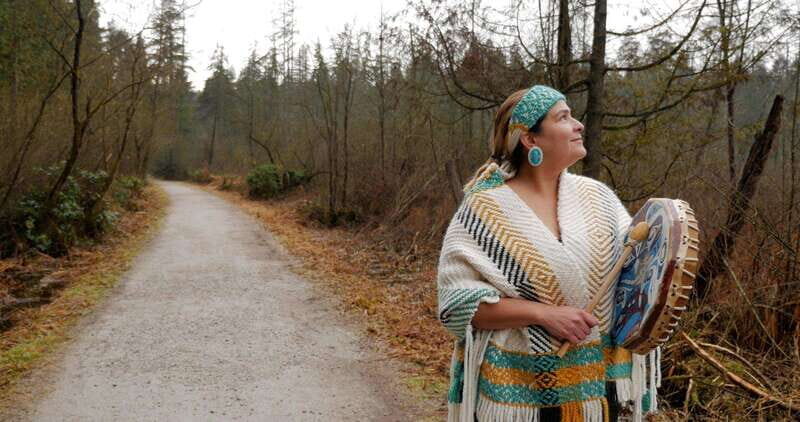
- Coast Salish plant use for food and medicine, tied to stories and land knowledge
- Stanley Park Loop walking tour with frequent stops and lots of discussion
- Beaver Lake tea ceremony, including complementary Indigenous herbal tea
- Seasonal berry tastings may be offered depending on the time of year
- 90 minutes, about 2.2 kilometers, paced for leisurely walking with guidance
You can also read our reviews of more tours and experiences in Vancouver.


Meeting at the Stanley Park Bus Loop (Near the Gazebo)
Plan to start right inside Stanley Park. Your guide waits directly under the Gazebo at the Stanley Park Bus Loop—near the Miniature Railway and the Pavilion. The important detail: it’s the bus loop near the Miniature Railway, not the Historic Loop at the entrance.
If you want this to feel smooth, I’d show up a few minutes early and get your bearings fast. The path system in the park can be easy to mix up, and you don’t want to waste the first minutes hunting.
Also note the tour doesn’t include hotel pickup or drop-off. So treat this like a grab-a-bus-or-walk-into-parks kind of plan, not a door-to-door sightseeing day.
90 Minutes That Actually Feels Like a Conversation
This tour runs for 90 minutes and moves at a leisurely pace. Over the course of the walk, you’ll cover about 2.2 kilometers with frequent stops. That stop-and-talk rhythm is the real “method” here: you’re not just passing landmarks, you’re pausing to notice what the guide wants you to notice.
The group moves with intention, too. You’ll spend time at key areas rather than trying to hit every scenic corner. That matters because plant knowledge sticks better when you see it where it grows—and when you can ask questions without feeling rushed.
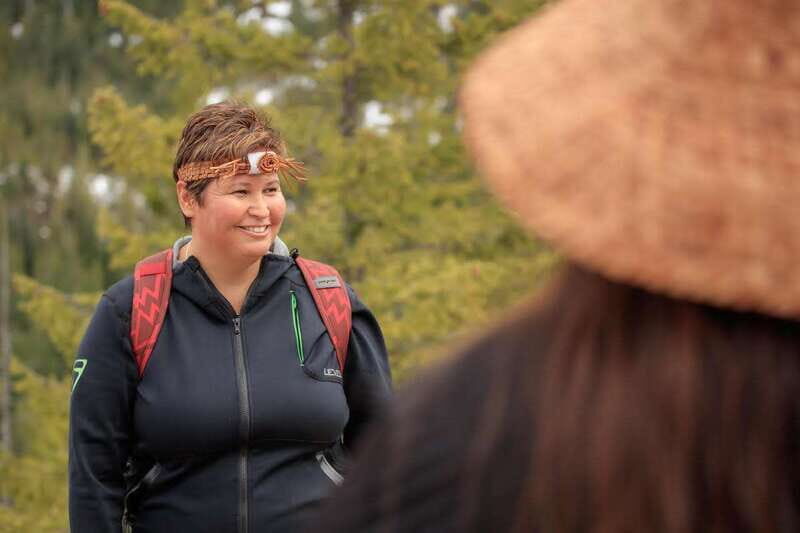
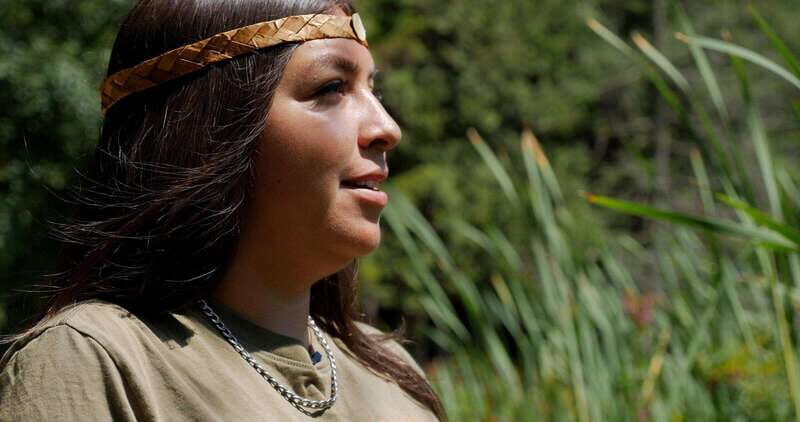
The tour is in English and is led by a cultural ambassador who is a member of local Indigenous communities in the surrounding region. That’s a key difference from a standard guide who might only know the facts. Here, the sharing is grounded in lived connection to family and the land, and you can feel that during the stories.
Stanley Park Loop: Where the Trees Have Names, Uses, and Stories
Stanley Park is famous for its beauty, but this tour changes the focus. Instead of treating the park as scenery, I like how it frames the park as a living resource—one with many plants that were harvested thoughtfully.
During the walk, your guide highlights local species and explains how Indigenous ancestors used the land for food and medicine. You’ll hear stories and legends tied to specific plants, and the guide also connects older practices to the present—showing you that culture isn’t frozen in the past.
You can expect lots of practical framing. For example, the tour approach encourages you to think about questions like:
- Which plants matter most for everyday use?
- How did people decide when and how to harvest?
- How do those values show up now?
And yes, it’s still Stanley Park—so you get the familiar coastal-mountain feel of Vancouver’s iconic green space. But the experience becomes more personal because you’re learning to read the park the way locals would: through use, seasons, and respect for growth.
A Good Stop-And-Notice Style of Walking
Because there are frequent stops, wear shoes you’d happily walk in for an hour and then walk some more. You’ll also want layers. Vancouver weather loves to shift without warning, and a walk that starts cool can turn warm fast once you’re moving and talking.
If you’re a photo person, you’ll still get your moments. The difference is that the best pictures might happen right after a story lands—when you’re looking at a tree with meaning, not just greenery.



Beaver Lake Tea Ceremony: The Tasting Moment That Connects Everything
After the walking portion, you’ll head to Beaver Lake for tea. This is where the tour slows down on purpose.
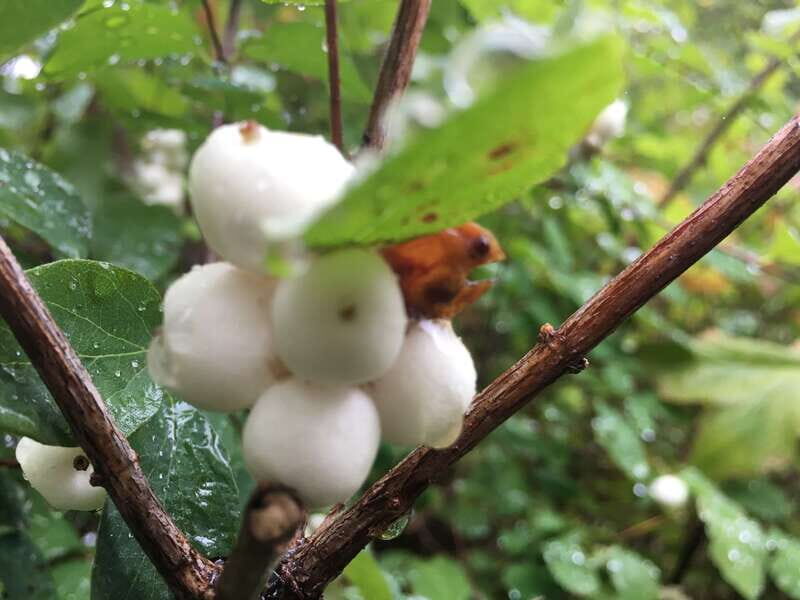
You’ll be offered complimentary Indigenous herbal tea, and the guide may also share berry tasting depending on the time of year. That seasonal detail is worth paying attention to. It reinforces the idea that plant knowledge isn’t only about names—it’s about timing, access, and what’s actually growing.
Tea works as a bridge here. The walk is full of stories about plants and use, then the tea gives you a sensory payoff. Even if you’re not a big herbal tea drinker, the point is not to force a new favorite. It’s to experience the connection between land and daily life in a calm setting.
Beaver Lake also helps you recharge mentally. You’ll have spent your time walking and learning; the tea break gives your brain a chance to settle and makes the stories easier to carry with you afterward.
Price and Value: Why $58 Can Make Sense Here
At $58 per person, this tour sits in the mid-range for guided experiences in Vancouver. It’s not the cheapest way to see Stanley Park. But it is priced like a specialty cultural walk—with a guide who shares cultural traditions, plant knowledge, and a tea experience at the end.
Here’s where the value comes from:
- You’re paying for a guided, cultural interpretation of the park, not just a generic stroll.
- The tour includes Indigenous herbal tea.
- You may get seasonal berry tastings, which turn learning into something you can taste.
If your goal is only to take scenic photos and check off Stanley Park quickly, you might feel the cost more than the benefit. But if you want to understand what people took from the land, how they used it, and why they valued it, the price feels fair for what you’re getting.
Also, the time matters. Ninety minutes is long enough to learn and ask questions, but short enough to fit into a normal Vancouver itinerary without stealing your whole day.
Who This Tour Is Best For (And Who Might Skip It)
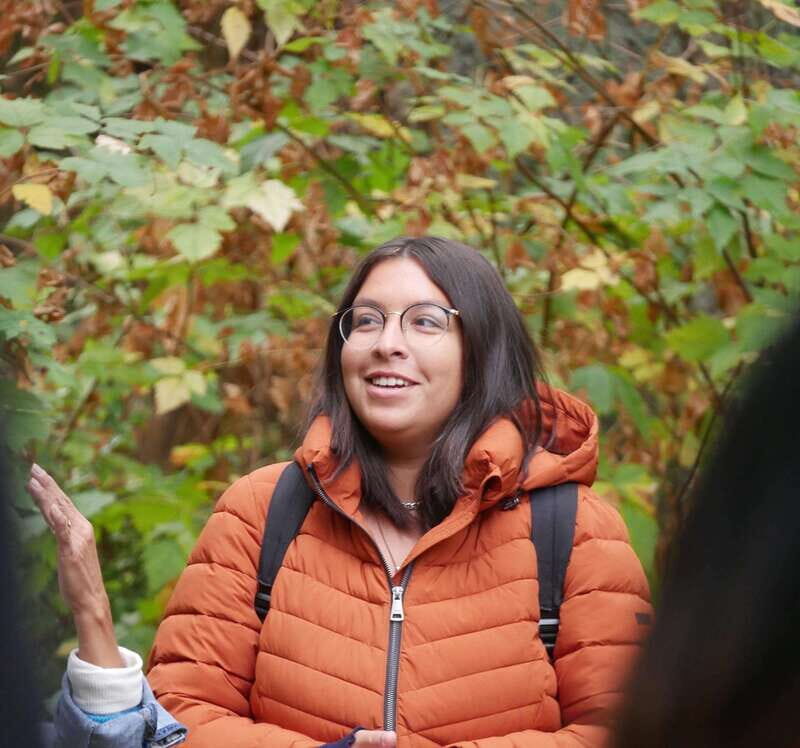
This is a great fit if you:
- Want culture plus nature, not just one or the other
- Like learning through stories tied to specific places
- Enjoy walking at an easy pace with frequent stops
- Appreciate cultural traditions that connect past and present
It may be less ideal if you:
- Want a long, major-distance hike
- Prefer a self-guided checklist format
- Don’t handle frequent stops and discussion well
Kids 12 and older are recommended. That recommendation matters because the content is cultural and explanatory, and the tour style relies on attention and conversation. If you have a younger child and you think they’ll do well, the guides may be able to include them—so it’s worth asking.
What to Bring (So Weather and Comfort Don’t Steal Your Focus)
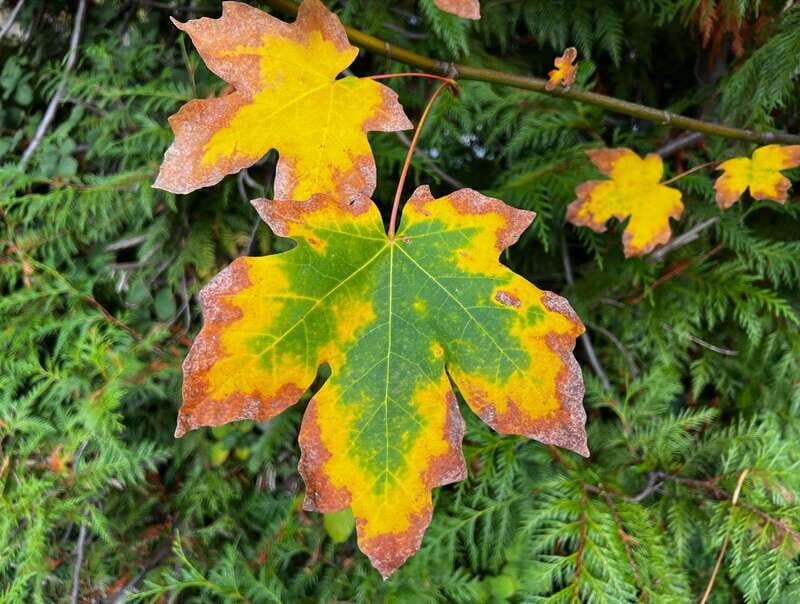
Bring comfortable shoes. Since the tour is around 2.2 kilometers with stops, your feet should feel good from minute one.
Wear layers. Vancouver’s temperature can swing, and the group won’t be moving constantly. You’ll be standing and listening at multiple points.
In warmer weather, pack sunglasses, sunscreen, and a hat. In cooler weather, prioritize warmth that you can adjust as you walk.
And skip the luggage. Large bags and luggage are not allowed, so travel light.
The Nature-Learning Style You’ll Feel Immediately
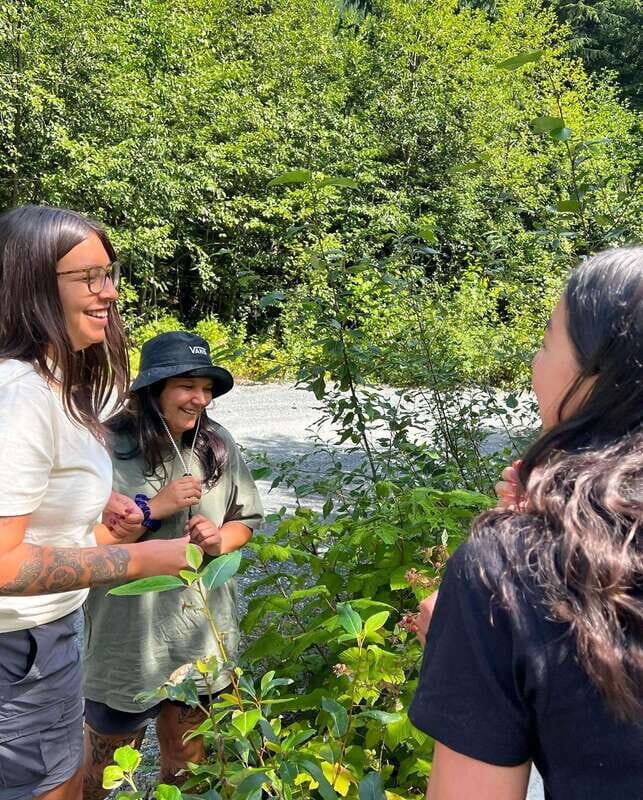
The strongest praise for this tour is consistent: people feel honored by the walking experience and impressed by how the guide shares through family connection to the land. The stories land in a way that feels personal rather than scripted.
You’ll also get a clearer sense of what the park means beyond the postcard version. The tour approach explains how plants connect to daily needs—food, medicine, and practical technology—and how those values influence modern thinking.
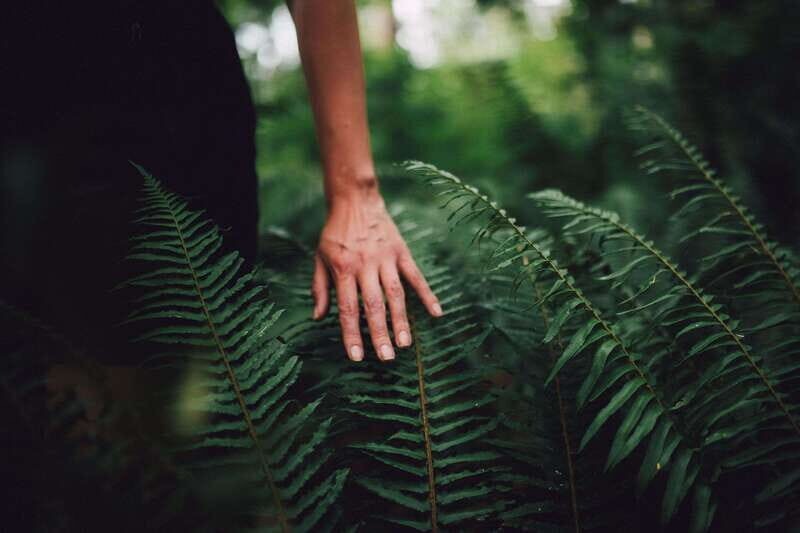
Even if you’re not a plant expert, you leave with a different mindset. You start seeing trees and plants as part of a system: seasons, harvesting practices, care, and relationships. That’s the real payoff.
And yes, it’s also fun. When the guide brings passion to the stories, the walking stops feel like moments instead of interruptions.
Quick Practical Notes Before You Go
- Duration: 90 minutes
- Language: English
- Walking distance: about 2.2 kilometers at a leisurely pace with frequent stops
- Where to meet: under the Gazebo at the Stanley Park Bus Loop (near the Miniature Railway and the Pavilion), not the Historic Loop entrance
- What’s included: Indigenous herbal tea; seasonal berry tastings may be available
- Not included: hotel pickup/drop-off
- Bring: comfortable shoes and weather-appropriate clothing
- Not allowed: luggage or large bags
Should You Book the Vancouver Talking Trees Tour?
Book it if you want Stanley Park to mean more than scenery. If you’re the type who likes learning how humans lived with the land—how plants supported food, medicine, and everyday life—this will be the kind of guided time that sticks.
Skip it if you mainly want a quick loop for views and photos, or if you don’t like walking plus discussion. Ninety minutes is short, but it’s still active and story-led.
One more smart move: go in with curiosity, not checklist mode. Ask questions when the guide pauses. The tour works best when you treat the trees like a conversation, not a wall of information.
FAQ
How long is the Stanley Park Talking Trees Tour?
It lasts about 90 minutes.
Where exactly do I meet my guide?
Meet directly under the Gazebo at the Stanley Park Bus Loop near the Miniature Railway and the Pavilion. The Google Maps pin is LOT-62F, and it is not the Historic Loop at the entrance.
Is hotel pickup included?
No. Hotel pickup and drop-off are not included.
Is the tour in English?
Yes, the live tour guide provides the tour in English.
What’s included in the price?
The tour includes a complementary Indigenous herbal tea. Depending on the time of year, you may also get to taste Indigenous berries that grow throughout the park.
Are there any restrictions on bags or luggage?
Yes. Luggage or large bags are not allowed.
What should I bring?
Wear comfortable shoes and bring weather-appropriate clothing. In warmer weather, sunglasses, sunscreen, and a hat are recommended.
What walking distance should I expect?
It is approximately 2.2 kilometers at a leisurely pace, with frequent stops for discussion and exploring.
Is this tour suitable for children?
It’s recommended for children 12 and older. If your child is younger and you think it fits, the guides are happy to discuss including them.