REVIEW · CANOES & KAYAKS
Vancouver: Snorkeling Seals Kayaking Scenic Boat Tour
Book on GetYourGuide →Operated by PNW Expeditions · Bookable on GetYourGuide
You can watch seals go full curious mode. This 3-hour Howe Sound tour pairs snorkeling with marine wildlife with an optional paddleboard or kayak session, plus a calm cruise and guide-led wildlife talk. What I like most is the chance to get close to seals in the water and the way you can switch to a boat and paddle when you’d rather stay dry.
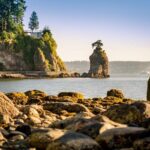
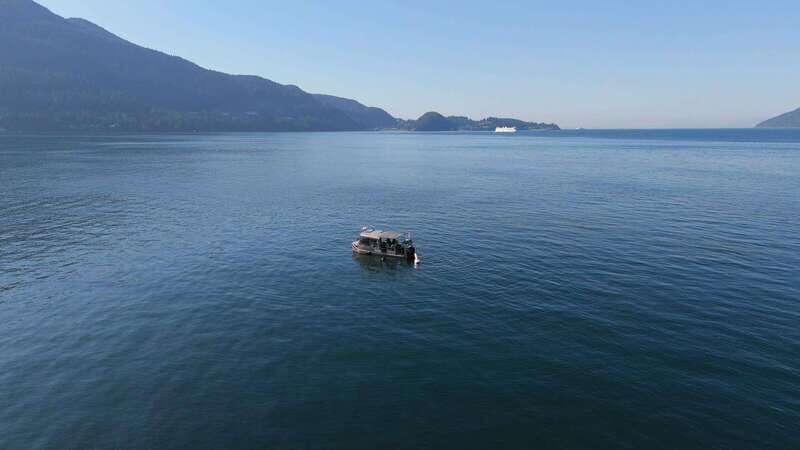
You’ll start from Horseshoe Bay Public Dock and spend the time in the Howe Sound UNESCO Biosphere area, where rocky coastlines, forests, and mountain views roll past while your guide explains local life and conservation. One drawback to plan for: this isn’t a good fit if you’re prone to seasickness or if getting in the water isn’t your thing—though you can stay on board and enjoy the scenery instead.
In This Review
- Key Highlights I’d Prioritize
- Howe Sound From Horseshoe Bay: The Easy Start
- Snorkeling With Seals: Close Encounters, Done Responsibly
- Kayak or Paddleboard Around One of the Best Islands to Watch
- The Boat Cruise Portion: Views Plus Wildlife Commentary
- Conservation Lessons That Make the Seals Mean More
- Guides on the Water: What You’ll Feel in the Group
- Price and Value: Is $98 Worth 3 Hours?
- What You Should Bring (And What the Tour Handles)
- Timing: When You Can Snorkel vs When It’s Kayaking Only
- Who This Tour Fits Best (And Who Should Skip It)
- Should You Book the Vancouver Seals Kayaking Scenic Boat Tour?
- FAQ
- Where does the tour start and end?
- How long is the experience?
- Can I do the tour without getting in the water?
- What time of year is snorkeling available?
- What’s included in the price?
- What do I need to bring?
- Is it okay if I get seasick easily or I’m a non-swimmer?
Key Highlights I’d Prioritize
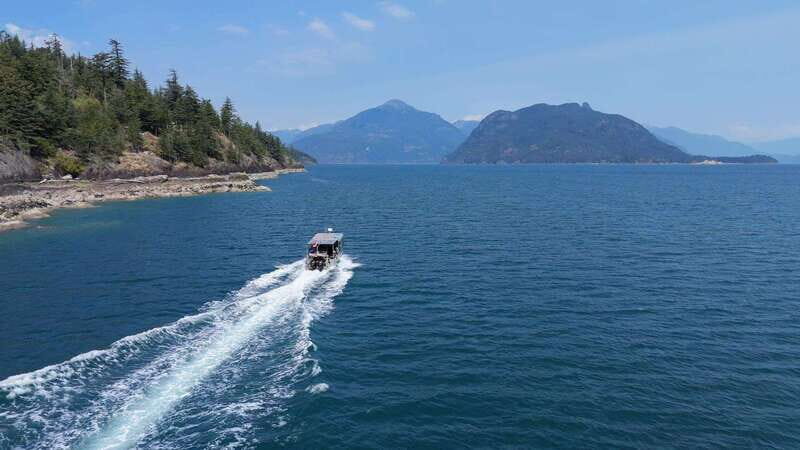
- Seal snorkeling and wildlife spotting in Howe Sound’s protected waters, with guides helping you stay safe and respectful
- Kayak or paddleboard time near a beautiful island setting, so you get views from the water without pressure to swim
- Small-group feel for a more personal experience and clear safety coaching
- Guide-led conservation talk so the wildlife sightings connect to real protection efforts
- Stay-on-board option if you’d rather not splash in the water
- Warm drinks and light snacks after your session to take the chill off
Howe Sound From Horseshoe Bay: The Easy Start
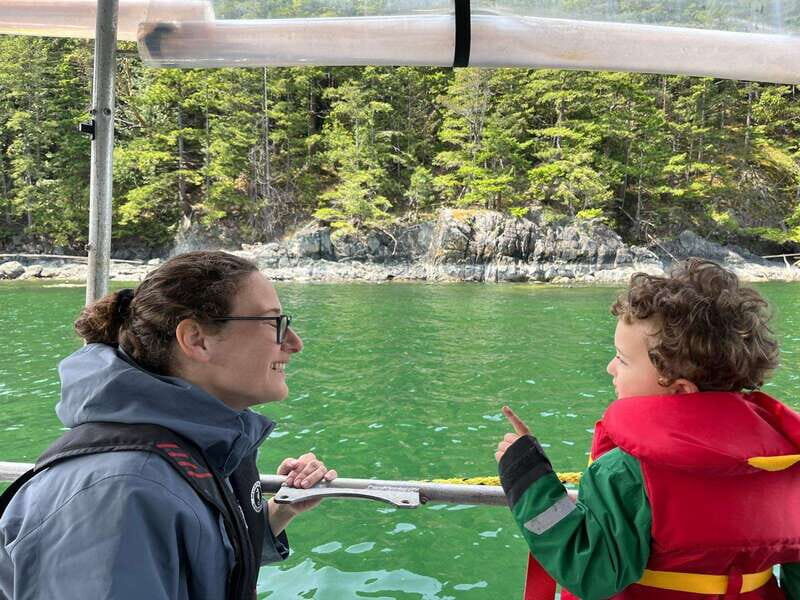
This tour begins at Horseshoe Bay Public Dock, which is one of the most convenient bases for getting into Howe Sound without renting a car. If you’re coming by bus, you’ve got a straightforward option with the 257 Horseshoe Bay Express connecting downtown Vancouver (West Georgia Street) to Horseshoe Bay. Another choice is the 250 bus, which also gets you there via the marine route.
When you arrive, look for the dock area under the SAR building with the red roof. That’s useful because you can get oriented quickly before the boat lines up.
Why I like this setup: it saves time and mental energy. You spend less time figuring out logistics and more time looking at the water—where, in Howe Sound, the whole day can change fast depending on wildlife movement.
You can also read our reviews of more boat tours in Vancouver

Snorkeling With Seals: Close Encounters, Done Responsibly
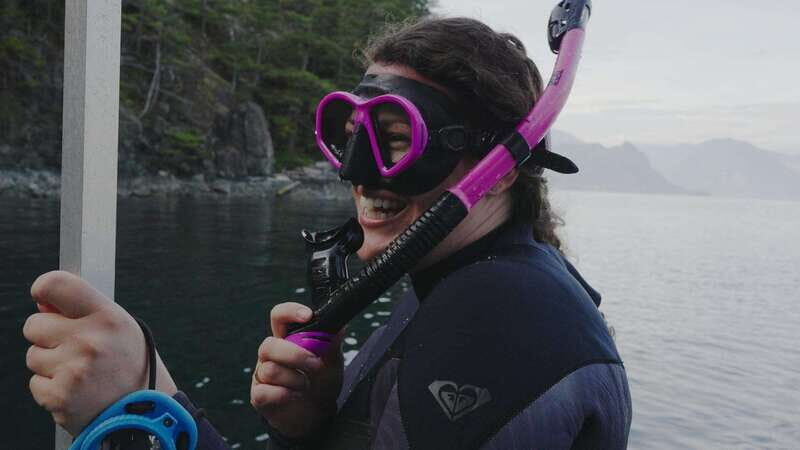
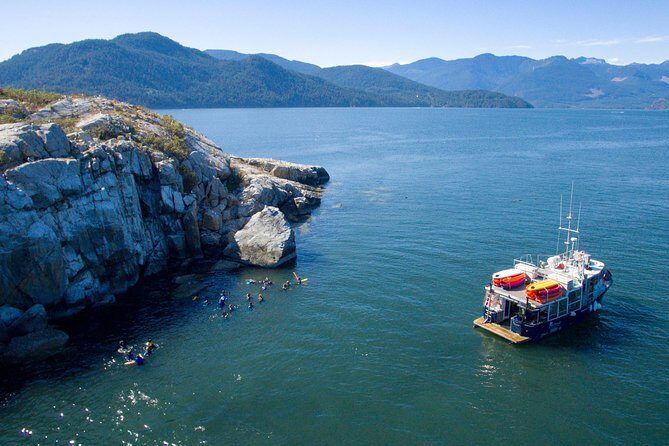
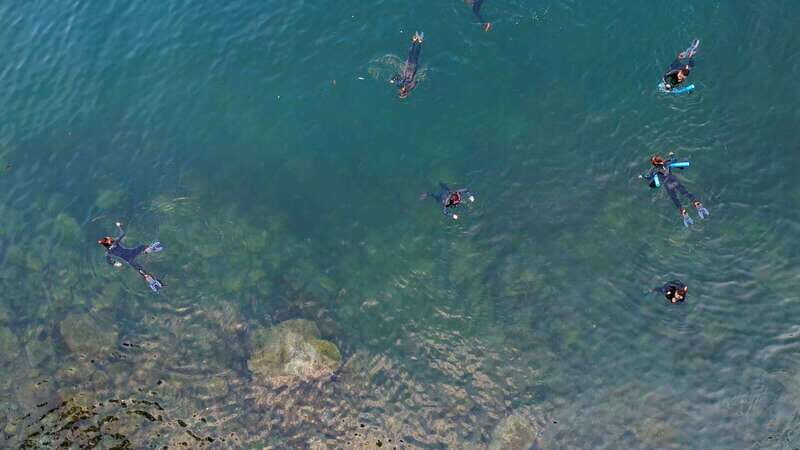
The heart of the experience is snorkeling with seals and other marine life in the Howe Sound UNESCO Biosphere reserve. Your guide explains what you’re seeing, how marine animals behave here, and why people should keep distance and avoid disturbing wildlife. The goal isn’t just seeing seals—it’s doing it in a way that helps keep the area healthy.
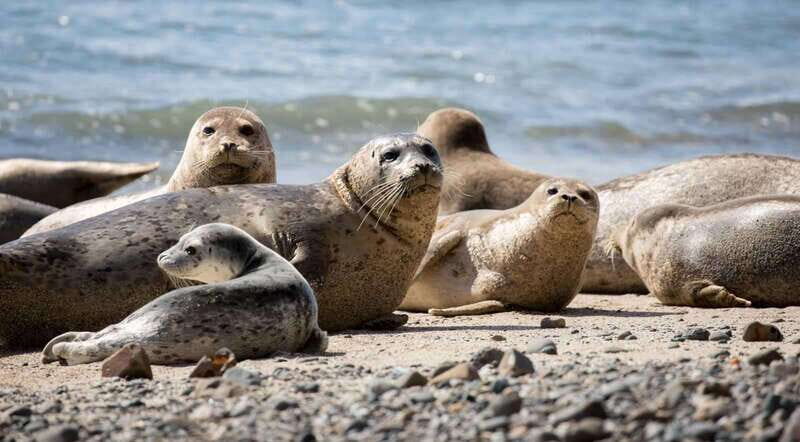
Seals in this region are often described as curious and friendly toward humans in the water. They may approach, swim around you, and pop in and out of view. That’s exciting, but it also means you’ll want to snorkel with calm control. Think less about chasing and more about floating and letting the animals come to you.
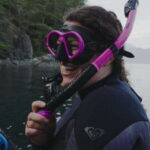
You’ll also be geared up with a wetsuit and snorkeling gear, which is key for comfort. Cold water can turn an otherwise fun stop into a miserable one, so having the equipment handled makes the whole experience more approachable—even if you don’t consider yourself a strong swimmer.
A practical note: the tour isn’t for non-swimmers, and it’s not suitable if you have back problems. Even with safety support, snorkeling requires physical comfort and the ability to handle being in the water.
Kayak or Paddleboard Around One of the Best Islands to Watch
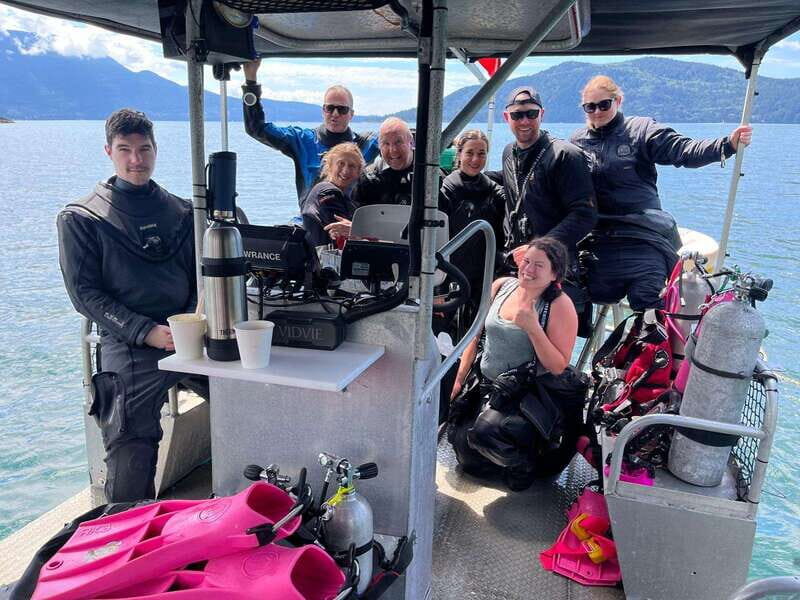
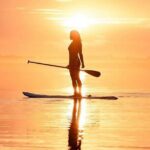
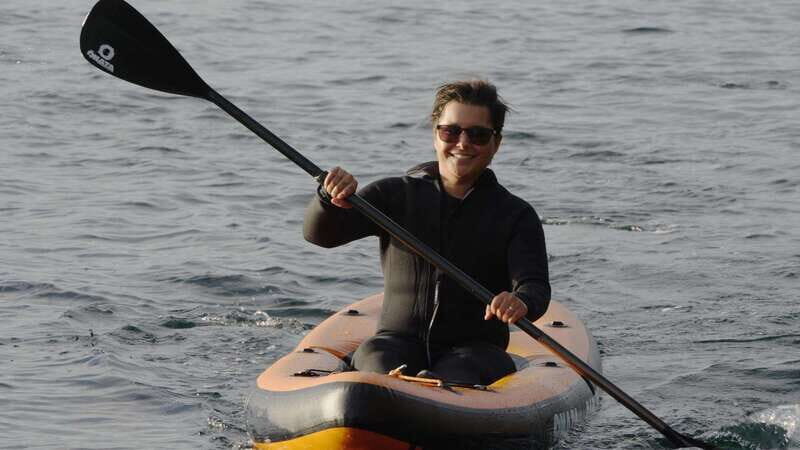
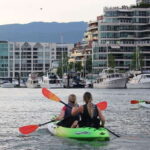
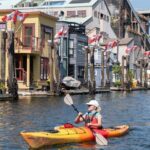
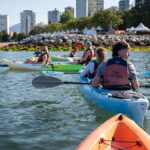
If you want a different angle—or if the water time isn’t your favorite—the tour gives you a switch option. After the initial wildlife time, you can choose kayaking or paddleboarding. This is seasonal too: in the summer (May to September), it’s snorkeling or kayaking. In fall (October to November) and spring (March to April), it’s kayaking only.
This part matters because it turns your day from one focused moment into a longer “moving observation.” You glide across the water and look outward at coastlines, forests, and mountains while you search for marine life from above the surface.
What makes it special for readers: you don’t have to be all-in on snorkeling to get the full value. You can enjoy the wildlife from the paddle and still see a lot, including sea life your guide points out along the way.
And if you’d rather avoid getting wet entirely, you can stay on the boat and enjoy the views while others paddle. That flexibility is a real plus if you’re traveling with mixed comfort levels.
The Boat Cruise Portion: Views Plus Wildlife Commentary
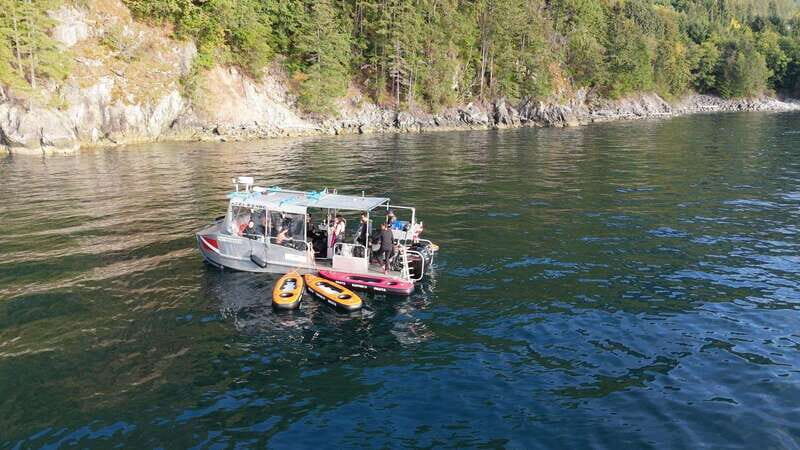
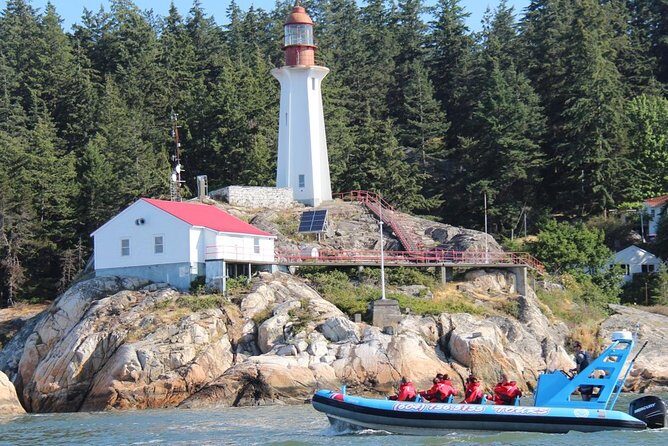
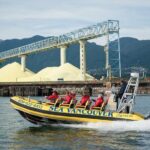
Even when you’re not in the water, you’re still working with the best tool you have: a moving vantage point. The tour includes a guided boat cruise and sightseeing, and you’ll get panoramic views as you move through Howe Sound.
Rugged coastline lines, lush forest stretches, and towering mountain backdrops create a constant photo opportunity. But the real benefit is the guide’s commentary while you’re traveling. You’ll learn about the history of Howe Sound, local marine life, and how conservation efforts are shaping protection in the area.
This is one of those “small details that make the day smarter” moments. When you understand why certain animals are present—or why the area is treated as special—you stop thinking of wildlife as a lucky bonus. You start noticing patterns.
Conservation Lessons That Make the Seals Mean More
A seal sighting feels fun on its own. The tour tries to make it mean something more by tying wildlife encounters to protection. Your guide covers marine life basics and conservation efforts, so you’re not just collecting photos—you’re understanding the ecosystem you’re in.
Rules on board also reinforce that mindset:
- No touching marine life
- No littering
- No smoking
That’s not just “good behavior.” It’s practical. Touching wildlife can stress animals and harm habits that keep them safe. Staying hands-off also improves the experience for everyone because animals remain more comfortable around your group.
If you care about responsible wildlife viewing, this is exactly the kind of structure that helps you enjoy the moment while keeping your impact low.
You can also read our reviews of more tours and experiences in Vancouver
Guides on the Water: What You’ll Feel in the Group
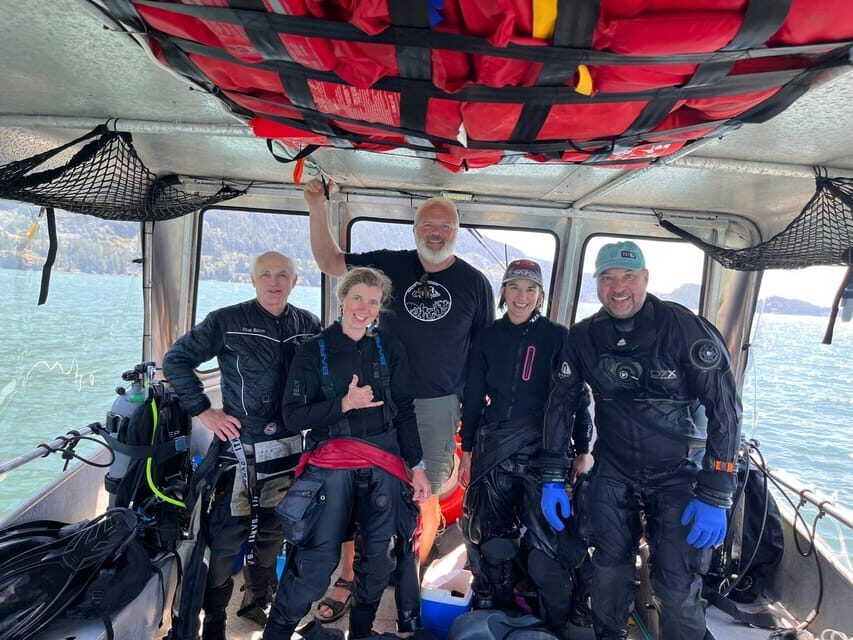
This is run by PNW Expeditions, and the feel matters. The tour is designed as a small group, so you’re less likely to feel like a number in a big crowd. You also get clearer safety instructions and more direct help.
Names from the experience stand out in the reviews. People specifically mentioned guides Katie and Victor for being friendly and full of knowledge. Another guide, Vincent, was mentioned for using shiny flippers to help attract seals. That kind of tool can make wildlife time more efficient, because seals tend to respond to what’s moving and reflective in the water.
One more thing I appreciate: the guides aren’t just “watching the water.” They’re actively shaping your experience—helping you position, stay safe, and keep the wildlife interaction respectful.
Price and Value: Is $98 Worth 3 Hours?
At $98 per person for a 3-hour tour, you’re paying for three things you’d struggle to assemble on your own:
- Professional guidance for safety and wildlife spotting
- Gear and wetsuits for snorkeling and water time
- A structured outing that combines cruise + wildlife + active option (kayak/paddleboard)
If you’ve ever tried to DIY in coastal Canada, you know how quickly costs and stress add up—transport, equipment, and knowing where to look all become time sinks. Here, the tour bundles the essentials so you can show up, get geared up, and focus on seeing wildlife.
Also, the “either water or boat” flexibility adds value for mixed comfort levels. If you don’t want to snorkel at a certain moment, you can still enjoy the day from the boat or paddle. That makes the price more forgiving than a single-activity tour.
What You Should Bring (And What the Tour Handles)
The basics are simple. You’ll want to bring:
- Swimwear
- Towel
- Camera
- Sunscreen
- Snacks (the tour includes light snacks, but having your own backup can help)
- Water
The tour includes:
- Professional guide
- Wetsuits
- Snorkeling gear
- Paddleboards or kayaks
- Soups and snacks
- Water, coffee, and tea options
I like that you don’t have to plan meals around being outside. Soup and snacks after the water time are a smart touch. Hot coffee or tea also feels like a small luxury when you’re coming in from chilly water.
One tip that’s not glamorous but matters: bring sunscreen even if you’re expecting cool weather. Coastal light can hit hard, and you’ll be out on open water.
Timing: When You Can Snorkel vs When It’s Kayaking Only
This tour follows the seasonal rhythm of the area:
- May to September (summer): snorkeling or kayaking
- October to November (fall): kayaking only
- March to April (spring): kayaking only
So if snorkeling with seals is your top goal, aim for late spring through early fall. If you’re visiting shoulder seasons, treat the kayak portion as the main event. You’ll still get wildlife viewing and the guided cruise, but the water activity changes with the season.
Who This Tour Fits Best (And Who Should Skip It)
This experience is a great match if you want wildlife viewing with structure and you’re comfortable with being active on the water. It’s also a good pick for people who like choices: snorkel if you’re feeling it, paddle if you’re not, stay on the boat if you want scenery-only time.
It’s not suitable for:
- Children under 7 years
- People with back problems
- Non-swimmers
- People prone to seasickness
- Babies under 1 year
If seasickness is part of your travel reality, be cautious. No one wants a wildlife day turned into a stomach day.
Should You Book the Vancouver Seals Kayaking Scenic Boat Tour?
I’d book it if you want a short, well-run outing that blends close-up wildlife time with scenic cruising and optional paddling. The seal interaction angle, plus the fact that you’re not locked into one type of activity, makes this feel like a smart way to spend a half-day in Howe Sound.
Skip it if you’re prone to seasickness or if you’re uncomfortable being in the water. And if you’re traveling outside May–September, go in expecting kayaking only, even though the wildlife and views still matter.
If your ideal day includes learning from the guide, seeing marine life up close, and getting warm food and drinks afterward, this is a strong value at $98 for what’s included.
FAQ
Where does the tour start and end?
The tour starts and ends at Horseshoe Bay Public Dock.
How long is the experience?
The duration is 3 hours.
Can I do the tour without getting in the water?
Yes. You can stay on the boat if you prefer not to splash. If you still want water time, you can use the kayaks or paddleboards on board.
What time of year is snorkeling available?
May to September includes snorkeling (and/or kayaking). October to November and March to April are kayaking only.
What’s included in the price?
Included are a professional guide, wetsuits, snorkeling gear, paddleboards or kayaks, and soups and snacks, plus water, coffee, and tea options.
What do I need to bring?
Bring swimwear, a towel, a camera, sunscreen, snacks (optional), and water.
Is it okay if I get seasick easily or I’m a non-swimmer?
It’s not suitable for people prone to seasickness or non-swimmers. Children under 7 are also not recommended, and it’s not listed as suitable for people with back problems.