Panorama Ridge is worth the early start. This full-day hike in Garibaldi Provincial Park pairs gentle switchbacks from Rubble Creek with technical trail sections that use handrails and footholds, then rewards you at a summit platform with snow peaks and turquoise lakes. I love how the park keeps things practical along the way, from stream bridges to solid footing, and I love that the day also includes scenic Sea to Sky Highway time plus a Whistler Village stop. One consideration: it’s a long 11.5-hour commitment starting at 6:00 am, and the hike requires moderate fitness and good weather.
The guide matters here, and Inspire Trail Expeditions’ ACMG Hiking Guide Marc has a strong safety-first style. I also like that you’re not sent out under-equipped: trekking poles and Microspike crampons are available if conditions call for it, and the group carries emergency tools (including a first-aid kit and a satellite phone). The main drawback I see in the real world is operational risk—if a trip is canceled last minute, a few reports mention refund frustration—so I’d keep your schedule flexible and watch your email closely.
In This Review
- Key Points I’d Plan Around
- Panorama Ridge From Rubble Creek: How the Hike Really Works
- Sea to Sky Highway Stops: Scenic Drive Time That Adds Value
- Garibaldi Provincial Park: Wilderness, Wildlife, and Cultural Meaning
- Garibaldi Lake: The Blue Payoff (And a Short Detour Kind of Feel)
- Whistler Village Stop: A Real Break Between Big Effort
- Summit Day Comfort: Technical Trail Sections and Safety Tools
- Guide Marc and the Small Group Advantage (Max 12)
- Price and Value: Is $148.46 a Good Deal?
- Timing and Weather: The 6:00 am Reality Check
- What to Pack and How to Prep for a Long Day
- Who Should Book This Hike (and Who Might Want a Different Option)
- Should You Book the Panorama Ridge Hike Tour?
- FAQ
- How long is the full-day Panorama Ridge hike?
- What time does the tour start?
- Is pickup included?
- What does the tour cost?
- How big is the group?
- What fitness level do I need?
- Are trekking poles or traction tools provided?
- Is the park entry included in the price?
- Is the Garibaldi Lake stop included?
- What happens if weather is bad?
Key Points I’d Plan Around
- Rubble Creek start with energy-saving switchbacks that ease you into the climb
- Bridges, then handrail/foothold sections that keep the hike adventurous but manageable
- Summit platform views of snow-capped peaks and turquoise lakes
- Small group limit (max 12) for a steadier pace and more attention on the trail
- Included trekking poles and Microspike crampons if needed for footing confidence
- Emergency-ready support with first-aid equipment and a satellite phone
Panorama Ridge From Rubble Creek: How the Hike Really Works
This is a big-day hike that builds in stages. You start from Rubble Creek with switchbacks that feel like they’re designed for your legs, not just your pride. That early rhythm matters because Panorama Ridge is not a quick walk—it’s a steady effort where pacing is everything.
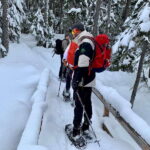
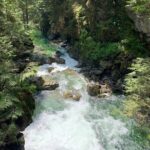
As you gain elevation, the trail leans into “real wilderness” details that also feel purposeful. You’ll cross streams using bridges that look good and help keep the experience practical. Then, later on, you meet the trail’s tougher personality: sections with handrails and footholds. That’s a comfort factor. It means you’re not just hoping for the best when the grade steepens or the terrain gets more technical.
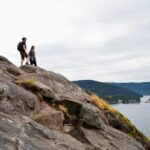
At the summit, the goal is clear. You’re headed for a viewing platform made for people, not just for photos. From there you get expansive views: snow-capped peaks and turquoise lakes that make the climb feel earned. If you enjoy the feeling of rising from forest and trail texture into open, dramatic views, this is the kind of hike that delivers.
You can also read our reviews of more hiking tours in Vancouver
Sea to Sky Highway Stops: Scenic Drive Time That Adds Value
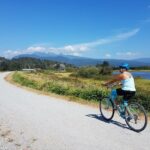
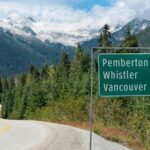
This tour doesn’t treat the drive like dead time. You head out along the Sea to Sky Highway on the way to your hiking day, with about two hours allocated for sightseeing stops and a chance to see the coast and mountains from the road.
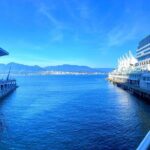
A highlight is ocean panorama time at Horseshoe Bay. Even if you’ve seen photos of British Columbia’s coast before, it hits different when you’re looking at it in real scale—water, shoreline curves, and weather changing by the minute. The highway itself is only about a 100-kilometer stretch from Vancouver to Whistler, so you’re not stuck on transit all day. You get scenery without losing most of your day to sitting.
There’s also a second Sea to Sky Highway segment later. That’s not just repeat scenery for its own sake. It gives you a more relaxed look at the same corridor once you’ve already hiked and you’re thinking less about foot placement. If you’re the type who likes to “travel with your camera,” this structure helps you get shots at more than one light angle.
Garibaldi Provincial Park: Wilderness, Wildlife, and Cultural Meaning
Garibaldi Provincial Park is the heart of the day, and it’s not just a pretty backdrop. It’s a sanctuary for diverse wildlife and it holds cultural significance for the Squamish and Lil’wat Nations. When a park protects both ecosystems and cultural heritage, your hike feels more grounded. You’re not just chasing a summit—you’re walking through a protected place with meaning.
The timing helps here. You get a long block of time dedicated to Garibaldi Park activity, and that’s important because the day is about more than reaching one point. The hike route includes the key trail features—stream crossings, technical segments, and the overall climb structure—so you get a real sense of what this area offers.
One practical benefit: the park’s trail design supports a range of conditions. You’ll see elements intended to keep you moving safely through rougher sections, which pairs well with the guide’s approach and the gear they bring along.
Garibaldi Lake: The Blue Payoff (And a Short Detour Kind of Feel)
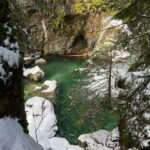
You also get a stop at Garibaldi Lake. The time is brief—about 30 minutes—but it’s long enough to soak in the color and get a quick feel for the setting.
The lake is known for turquoise-blue water, framed by towering mountain views. Even in a short window, that kind of contrast pulls your attention away from legs and into awe. It’s also a good mental reset after the hike’s more intense stretches, because you’re looking outward instead of down at footing.
Keep expectations practical, though. Thirty minutes is a taste, not a full exploration. If you want lingering views or a long photo session, this isn’t the tour that will turn into a half-day around the lake. It’s best if you like “brief but memorable” stops built into a longer plan.
Whistler Village Stop: A Real Break Between Big Effort
After the park time, you get about an hour in Whistler Village. This functions like a pressure-release valve on a day that starts at 6:00 am and includes significant hiking.
Whistler Village is a built-up resort area, so it contrasts nicely with the wild feel of Garibaldi Park. You’re not going there for nature details—you’re going there to refuel, regroup, and enjoy people-and-street energy for a bit. If you like quick access to snacks, warm drinks, and a place to sit down without thinking about elevation gain, that hour is a gift.
The main drawback is also simple: an hour passes fast. If you have a list of places you want to check, you’ll need to pick just a couple. Treat it as a reset stop, not a full Whistler day.
You can also read our reviews of more tours and experiences in Vancouver

Summit Day Comfort: Technical Trail Sections and Safety Tools
Panorama Ridge isn’t a casual stroll. The tour includes trail sections with handrails and footholds, which tells you the route can get technical. The good news is that the trail itself is built with you in mind—those supports are there to help you manage steeper terrain.
What you’ll feel most during those moments is confidence. When footing gets trickier, having something stable to grab matters. It doesn’t turn the hike into an easy one, but it helps you stay calm and focused instead of tense.
The gear support is also practical. Trekking poles are included for use, and Microspike crampons are provided if conditions require them. That matters because conditions in alpine areas can change quickly, and traction can be the difference between steady progress and slipping stress.
And yes, the guide’s role is safety leadership, not just storytelling. Marc is described as prioritizing safety and motivating you to keep going toward trekking goals. That combination tends to work well on hikes like this, where the finish line is clear but the path demands patience.
Guide Marc and the Small Group Advantage (Max 12)
This tour caps at 12 travelers. That number sounds small because it is. In practice, smaller groups usually mean fewer bottlenecks on narrow trail sections and more chance for the guide to notice who needs a moment.
With a guided hike, you also get a more coherent pacing plan. The day is long enough that your energy management matters, and a guide can help you keep the effort level steady. Marc’s style, based on strong feedback, is also respectful: polite, safety-minded, and encouraging without turning the hike into a lecture.
One thing I’d appreciate if you’re considering this: the guide also helps you use the included tools effectively. Trekking poles aren’t magic, and Microspikes aren’t just for show. Proper use helps you walk more naturally and reduces stress on knees and ankles.
Price and Value: Is $148.46 a Good Deal?
At $148.46 per person, this isn’t a budget hike. But it also isn’t just a ticket to walk on a trail. You’re paying for a guided day that includes transport, permits, and gear support.
Here’s what’s included, and why it matters for value:
- AC vehicle service plus pickup offered, which lowers the friction of a long day
- ACMG Hiking Guide (Marc), which is huge on a route with technical sections
- Trekking poles and Microspike crampons if necessary, reducing what you have to bring
- Entrance fees and provincial park permits, so you’re not juggling extra costs
- Emergency equipment (first-aid kit and satellite phone), which is peace of mind
If you break it down against an 11.5-hour day, you’re paying roughly in the neighborhood of 12–13 dollars per hour for guide, logistics, and support. That’s not “cheap,” but it’s a reasonable rate for a guided alpine experience that handles permits and safety gear for you.
The one value risk is operational. If the organizer has to cancel due to minimum traveler counts or weather, you’re dependent on their alternate-date or full-refund process. The official policy supports full refunds in certain scenarios, but a few reports mention last-minute cancellation and refund trouble. I’d treat this as a “weather day” plan: if you’re traveling with tight schedules, keep a backup option.
Timing and Weather: The 6:00 am Reality Check
The start time is 6:00 am. That’s not subtle. If you’re a slow-morning person, plan to be ready the night before, not in the car doing mental math about packing.
Also, the tour is described as requiring good weather. That’s not just a legal note—it’s a practical one. If conditions are poor, the experience may be canceled and you’ll be offered a different date or a full refund.
What you can do: check forecasts where possible, and pack for temperature swings. Even on a clear day, alpine hikes can run colder and windier than the drive suggests.
What to Pack and How to Prep for a Long Day
The tour calls for moderate physical fitness, which is a hint that you’ll be working for multiple hours. You’ll want to show up with the basics covered so the climb is about effort—not discomfort.
Plan for:
- A long day (about 11.5 hours) that starts early
- Technical trail sections where good balance matters
- Possible cold or traction needs (since Microspike crampons are included if necessary)
I’d also suggest you bring clothing you can adjust. A trip that includes a mountain hike plus stops in town and on highways means you’ll go from exertion to chilling quickly.
If you’ve never used trekking poles before, consider practicing for a day or two at home. The included poles can reduce strain, but only if you’re comfortable with how they change your stride.
Who Should Book This Hike (and Who Might Want a Different Option)
This is a strong fit if you:
- Want a guided alpine hike with clear safety support
- Like big views and don’t mind a long day
- Prefer a structured plan that includes scenic driving and a town break
- Appreciate a guide who focuses on safety and motivation
It may be less ideal if you:
- Have very limited flexibility due to schedule changes from weather
- Don’t handle early starts well
- Want lots of time for lake exploration or long wandering in Whistler
If your main goal is a relaxed, short hike with minimal logistics, you’ll probably feel like the day is too packed. If your goal is a full “road-to-ridge” adventure with a summit reward, this aligns well.
Should You Book the Panorama Ridge Hike Tour?
I’d book this tour if you want a serious day outdoors with real structure. The combination of Rubble Creek switchbacks, technical sections with handrails and footholds, and a summit viewing platform with snow peaks and turquoise lake views is exactly the kind of payoff you plan for. Add a small group max of 12, guided support from Marc, and included trekking poles and potential traction help, and you get a lot of “done-for-you” value.
But don’t book it if you can’t handle weather or last-minute changes. The tour depends on good conditions, and while the stated policy supports alternate dates or full refunds, there have been reports of cancellation and refund friction in at least one case. If you keep your schedule flexible and you’re ready for an early, long hike day, this one is a good bet.
FAQ
How long is the full-day Panorama Ridge hike?
It lasts about 11 hours and 30 minutes.
What time does the tour start?
The start time is 6:00 am.
Is pickup included?
Yes, pickup is offered.
What does the tour cost?
It costs $148.46 per person.
How big is the group?
The maximum group size is 12 travelers.
What fitness level do I need?
The tour notes a moderate physical fitness level is required.
Are trekking poles or traction tools provided?
Yes. Trekking poles and Microspike crampons are included for use if necessary.
Is the park entry included in the price?
Yes. Entrance fees and provincial park permits are included.
Is the Garibaldi Lake stop included?
Yes, there is a Garibaldi Lake stop for about 30 minutes.
What happens if weather is bad?
The tour requires good weather. If it’s canceled due to poor weather, you’ll be offered a different date or a full refund.