REVIEW · WHALE WATCHING
Whale Watching Adventure from Vancouver BC
Book on Viator →Operated by Steveston Seabreeze Adventures LTD · Bookable on Viator
Whales here are never guaranteed. That uncertainty is part of the fun, and on this Vancouver whale watching cruise from Steveston Village you’re set up to look for killer whales, humpbacks, seals, porpoises, and seabirds all along the way.
I love how the trip is built around the idea that it’s different every time. No two outings feel the same because wildlife moves, weather shifts, and your route through the Georgia Strait and nearby Gulf Islands can change based on what’s happening out on the water.
The one downside to plan around is conditions. This experience depends on good weather, so you may deal with wind, waves, or a reschedule; if you’re sensitive to motion, consider the partially enclosed boat option mentioned in feedback.
In This Review
- Key Highlights You’ll Care About
- Steveston Village: A Great Place to Start Watching
- The 4-Hour Window: What the Time Really Feels Like
- From Georgia Strait to the Gulf Islands: The Route Strategy
- What You’re Actually Looking For: Whales, Seals, Porpoises, and Birds
- The Naturalist and Captain Teamwork: How You Get Closer Responsibly
- Comfort and Safety on the Water: Staying Ready for Wind and Motion
- Pricing and Value: What $184 Buys You
- The Actual Experience Flow: What Happens Once You Arrive
- Photo and Viewing Tips That Matter
- Who This Tour Is Best For
- Should You Book This Vancouver Whale Watching Adventure?
- FAQ
- How long is the whale watching tour?
- Where does the tour depart from?
- What is the price per person?
- What animals are the tour searching for?
- What’s included in the ticket price?
- What’s not included?
- Can I cancel and get a full refund?
Key Highlights You’ll Care About
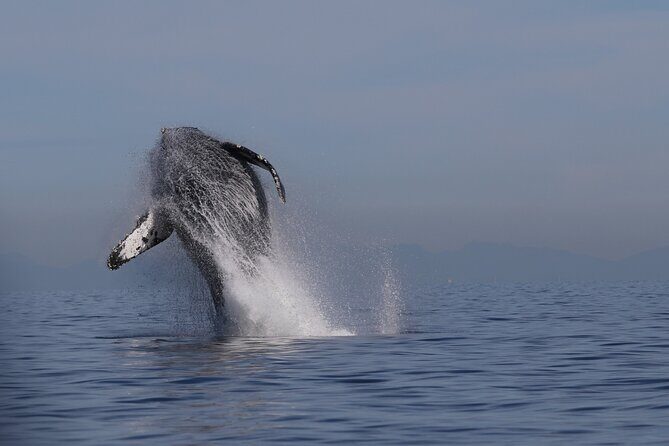
- A “different every time” wildlife search means your day can surprise you, even if you book on a repeat visit
- Included water and a granola bar help you stay focused during the long scan for spouts and fins
- Sea birds get attention too, so you’re not just watching for whales
- Naturalist-led spotting helps you understand what you’re seeing while the captain works to keep distance
- Small-group feel (up to 35 people) compared with bigger tours
Steveston Village: A Great Place to Start Watching
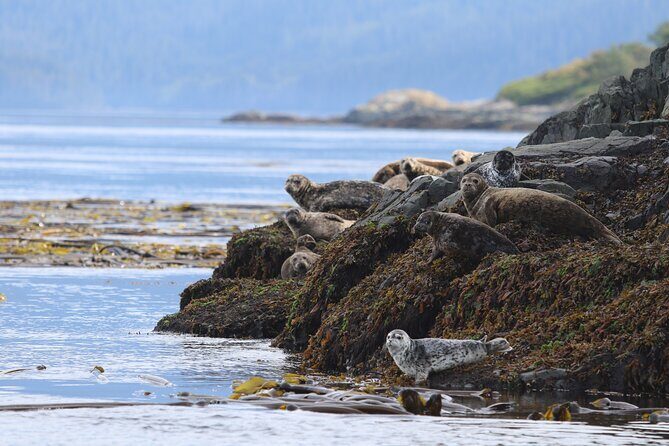
If you’re doing Vancouver whale watching, the start matters. Steveston Village puts you right where the ocean action begins, and it’s the kind of spot that makes the whole day feel like you’re going somewhere instead of just going out.
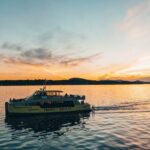
This tour departs from 12551 No 1 Rd, Richmond, BC V7E 0A2, and you go out on boats that typically cross the Georgia Strait before working through the surrounding Canadian Gulf Islands. That routing is smart because it puts you in the waters where marine life is often on the move.
Another practical win: the meeting point is described as near public transportation. So you can do this without building your whole day around a car. You’ll also have a mobile ticket, which keeps things simple when you’re juggling weather, camera gear, and everyone’s excitement.
You can also read our reviews of more whale watching tours in Vancouver

The 4-Hour Window: What the Time Really Feels Like
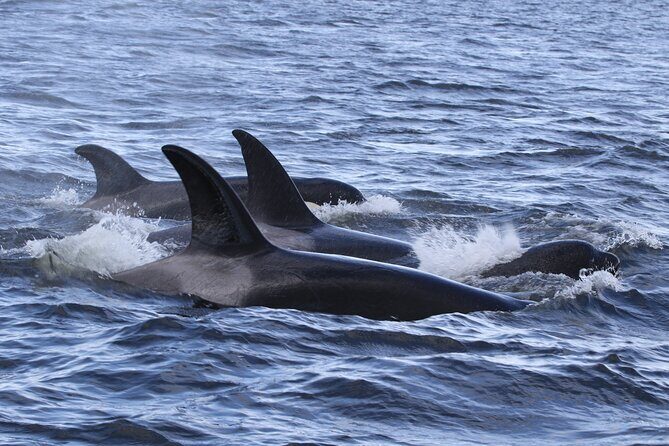
The advertised duration is about 4 hours, and the trips are often in the 3 to 5 hour range. On paper that sounds straightforward. On the water, it’s the sweet spot: long enough to search meaningfully, not so long that you’re cooked by the end.
Most departures run daily from April to October. If you’re traveling in the shoulder months, this is one of those tours where you should still check the schedule closely and treat the sea like it’s the boss.
One more reason the timing works: your day has built-in breaks through the experience itself. You’re scanning for spouts, looking for sea lions or seals hauled out near calmer pockets, and checking the skies for bird activity. That means the time doesn’t feel like a long waiting game. It feels like constant attention with payoff when wildlife shows.
From Georgia Strait to the Gulf Islands: The Route Strategy
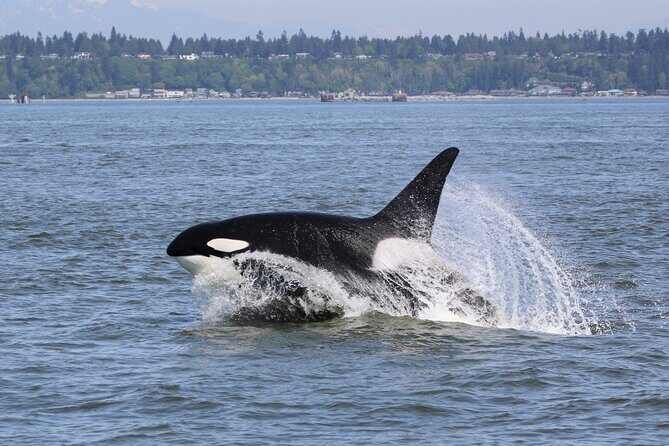
Here’s what I like about the way this cruise is described: it isn’t framed like one fixed “canned” route. The journey often begins with a crossing of the Georgia Strait, then continues through the Canadian Gulf Islands.
That route approach matters because whale watching isn’t just about location. It’s about timing and movement. Whales and seals don’t stay put. They follow food and current patterns. So the captain’s job becomes finding areas where the chances are highest that day, while staying respectful of wildlife space.
If you’re the type who likes to know what’s going on, this style helps you feel less like you’re in a tour line and more like you’re on a real search. And when you’re riding near rocky coasts and island edges, you also get frequent opportunities to photograph the water and shoreline scenery that looks rugged and wild rather than “pretty from a postcard” only.
What You’re Actually Looking For: Whales, Seals, Porpoises, and Birds
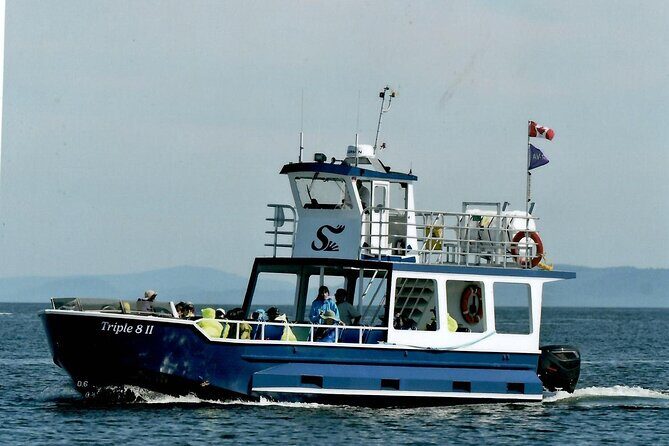
The tour is aimed at sightings of killer whales and humpback whales, plus seals and sea lions. Porpoises are also part of the search list. That gives you a wide target range, which is good news because sightings depend on what’s moving through the area that day.
What I really appreciate is that it’s not only about sea mammals. The highlights specifically encourage you to look to the skies for sea birds. That changes how the experience feels. Even if the whales are shy that day, you’re still “working the scene” like a naturalist: watching seabirds react, circle, dive, and flare up when something is happening under the surface.
The wildlife lineup also helps you plan expectations. You’re not paying for one animal. You’re paying for a real shot at multiple species in the same outing. And the longer 3-to-5 hour window increases the odds that if you miss one moment, you’ll catch another later.
The Naturalist and Captain Teamwork: How You Get Closer Responsibly
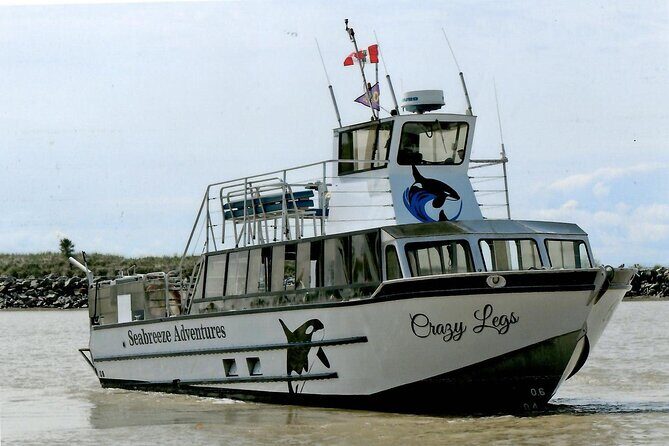
Whale watching is a balance game: you want proximity for photos, but you also need respect for animal space. In feedback, the captain is described as trying to get closer while still respecting their distance, which is exactly the mindset you want on the water.
The tour also includes a naturalist component, and it shows in how people talk about the education side. One name that came up in feedback is Grace, a naturalist who brought enthusiasm and clear information. That kind of narration matters because it turns a “great day” into a day you understand while it’s happening.
You’re also likely to hear practical context—what behavior can mean, and what the team is watching for when fins or spouts show up. And when the naturalist and captain work together, the spotting becomes more than luck. It becomes a coordinated effort that boosts your odds without turning the ocean into a spectator sport.






Comfort and Safety on the Water: Staying Ready for Wind and Motion
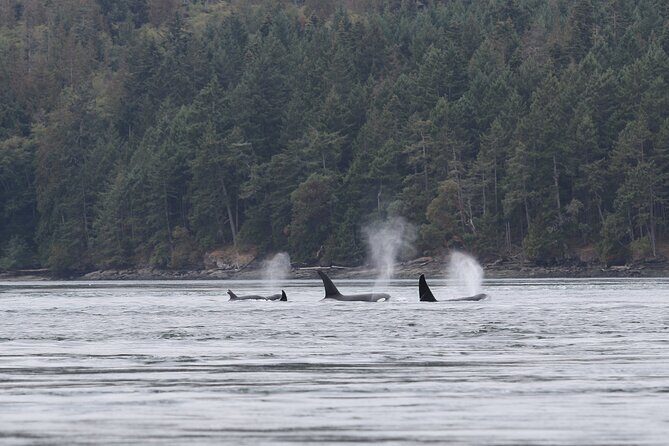
Let’s be honest: boats on the ocean can be bumpy. Even when conditions are workable, wind on the Georgia Strait can change fast, and waves don’t ask permission.
This experience requires good weather, and the operator can cancel due to poor conditions. If that happens, you’ll be offered another date or a full refund. So plan with the knowledge that the weather matters and it can affect your schedule.
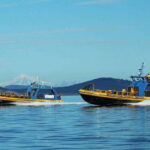
There’s also a smart comfort tip from feedback: if you don’t want to get as wet, choose the partially enclosed boat option mentioned by a reviewer. That kind of choice can make a big difference if you’re traveling with kids, bringing sensitive camera gear, or you just hate battling spray.
My practical advice: dress for cool wind, not for “sunny vibes.” Even in summer, the boat wind can be chilly. Bring layers and something waterproof if you have it.
Pricing and Value: What $184 Buys You
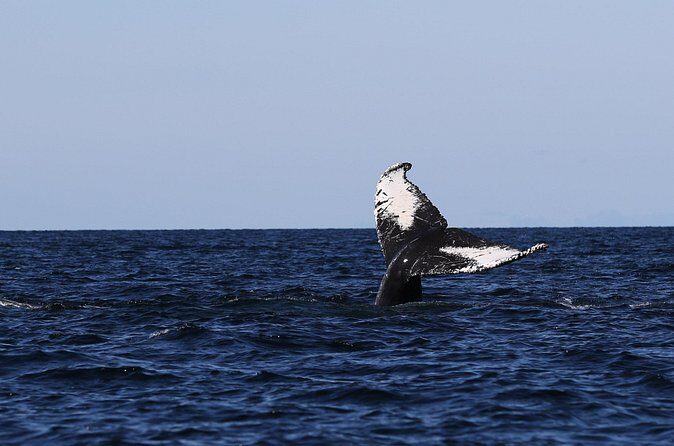
At $184.00 per person, this isn’t a bargain-bin activity. But for Vancouver whale watching, it lands in the “serious outing” category, not the “quick cruise” category. So the question is: does it add up?
Here’s where the value shows:
- Bottled water and a granola bar are included, which helps you stay comfortable during long scanning periods.
- All fees and taxes are included in the listed price, so you aren’t hit with surprise extras later.
- The experience runs in a small group (max 35), which usually feels more personal and easier to manage for everyone looking for the same sightings.
- You also get the education angle through a naturalist, plus the captain’s active search for whale and seal activity.
What’s not included is gratuities, which is fairly normal for guided tours in Canada. If you do the experience, budget a little for that at the end based on how your guide and captain perform.
Also worth noting: this tour is commonly booked around 20 days in advance on average. If you’re traveling in peak season (summer and early fall), I’d treat that as your reminder to book sooner rather than later.
The Actual Experience Flow: What Happens Once You Arrive
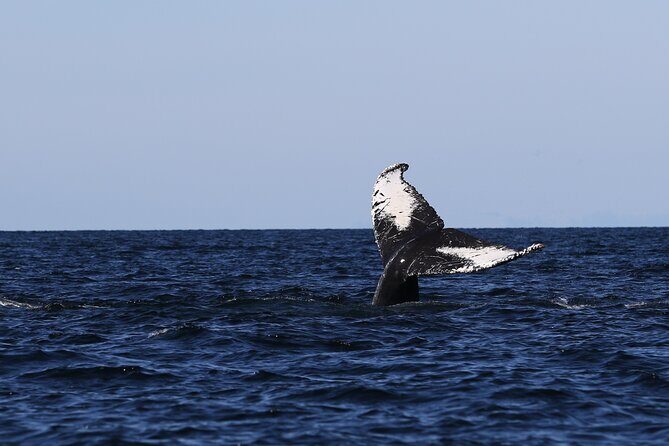
You start at Steveston Village, where you meet the team and get ready to board. From there, the day is essentially structured around scanning and repositioning: search for whales, keep an eye out for seals and sea lions, watch for porpoises, and check sea birds in the air.
As you cross water and work through the Gulf Islands region, you’ll typically do multiple “look and learn” segments. The naturalist helps you understand what you’re seeing, and the captain handles the driving and positioning while keeping respectful distance from wildlife.
Then the tour ends back at the meeting point. That round-trip format is convenient because it lets you plan the rest of your Vancouver day without guessing how far you’ll be from the city center afterward.
Photo and Viewing Tips That Matter
Photography on whale watching is mostly about reaction time. When something surfaces, it’s rarely a long slow pose. So here are tips that match how these cruises tend to play out:
- Keep your camera ready before you think you’ll need it. The best shot often happens in seconds.
- If you’re aiming for whales, watch where the spotting team points and scan for spouts rather than just staring at open water.
- Check the sky for sea bird activity. Even if whales are quiet, seabirds can give you hints that something is happening below.
And if you’re trying to get photos while staying comfortable, remember that wind can be a camera enemy. Bring a lens cloth and consider a waterproof layer for your bag.
Who This Tour Is Best For
I’d point you to this tour if you want a Vancouver whale watching day that’s built for real sightings without pretending every trip guarantees orcas.
It’s a good fit for:
- Families who want a structured outing with education and onboard snacks
- Couples who want a scenic ocean ride plus wildlife chances
- Photo-minded travelers who want time on the water and a coordinated search
- Anyone who likes animals and also wants to learn what’s going on, not just watch for a single event
It may be less ideal if you absolutely hate wind and motion, since the experience depends on weather and the ocean will do what it does. In that case, pick the more sheltered boat option mentioned in feedback and dress for cold spray and wind.
Should You Book This Vancouver Whale Watching Adventure?
I think this is a smart booking if you can commit to a spring-to-fall date and you’re comfortable with the reality of nature. The tour’s best selling points are the varied wildlife odds, the naturalist-guided explanations, and the practical inclusions like water and a granola bar that keep you going during the search.
Choose it if:
- You want a chance at whales plus seals and porpoises in the same outing
- You like learning what you’re seeing while you watch
- You prefer a group size that doesn’t feel chaotic (max 35)
Skip or reconsider if:
- You’re extremely weather-sensitive
- You need a perfectly calm ride or fully guaranteed sightings
If your goal is to spend a few hours doing a focused wildlife hunt in some of British Columbia’s best coastal waters, this one is easy to justify.
FAQ
How long is the whale watching tour?
The tour runs about 4 hours on average, and the trips are often in the 3 to 5 hour range.
Where does the tour depart from?
It starts at Steveston Village, with the meeting point listed at 12551 No 1 Rd, Richmond, BC V7E 0A2, Canada.
What is the price per person?
The price is $184.00 per person.
What animals are the tour searching for?
They look for killer whales, humpback whales, seals, sea lions, porpoises, and a variety of sea bird life.
What’s included in the ticket price?
Included are bottled water, a granola bar snack, and all fees and taxes.
What’s not included?
Gratuities are not included.
Can I cancel and get a full refund?
Yes. You can cancel up to 24 hours in advance for a full refund. If you cancel less than 24 hours before the start time, you won’t receive a refund.