Downtown Vancouver tells its story on foot. This 2-hour walking tour strings together major sights and quick side stops, so you get the feel of the city fast without bouncing between neighborhoods on your own. You start in the downtown transport hub, then move through Gastown’s steam-and-cobblestone charm and down into Chinatown before finishing back where you began.
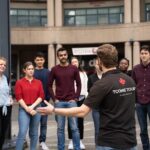
I especially liked the way Sarah (your guide, if she’s on your date) turns photos and street names into real explanations you can actually use. Second, the small group cap of 15 keeps things personal, with enough time to ask questions and swap notes with fellow walkers.
One possible drawback: it’s a short, brisk tour. Each major stop gets about 20 minutes, so if you want long hangs for photos, shopping, or sitting down with a coffee at every location, you’ll likely want to plan extra time afterward.
In This Review
- Key highlights you’ll notice right away
- First stop: Waterfront Station and why it matters
- Gastown Steam Clock: the tourist icon that still has personality
- Walking Gastown: cobblestones, heritage blocks, and modern Vancouver right beside it
- Chinatown Millennium Gate and what it signals
- Dr. Sun Yat-sen Classical Chinese Garden: a calm break from the sidewalk pace
- Victory Square and the payoff of small detours
- The guide experience: what makes the tour feel worth it
- Price and value: $32 for 2 hours of local context
- Who this walking tour suits best
- Tips to make the most of it
- Should you book this Vancouver Walking Tour?
- FAQ
- How long is the Vancouver walking tour?
- What is the price per person?
- Where does the tour start and where does it end?
- What time does the tour run?
- Is the tour offered in English?
- What’s included in the tour price?
- Is the tour group limited in size?
- Are there admission fees for the stops?
- What cancellation options are available?
- Is a mobile ticket used, and are service animals allowed?
Key highlights you’ll notice right away
Beaux-Arts Waterfront Station (built 1914): a landmark that also functions as a transit hub
Gastown Steam Clock: steam whistling and chimes on a 15-minute cycle
Gastown’s oldest-neighborhood vibe: cobblestones, heritage blocks, and modern restaurants nearby
Chinatown’s Millennium Gate (2002): ornate traditional design marking the district entrance
Dr. Sun Yat-sen Classical Chinese Garden: a calm, traditional landscape design built outside China
Victory Square finish with a few surprise stops: the route includes extra small detours beyond the headline sights
First stop: Waterfront Station and why it matters
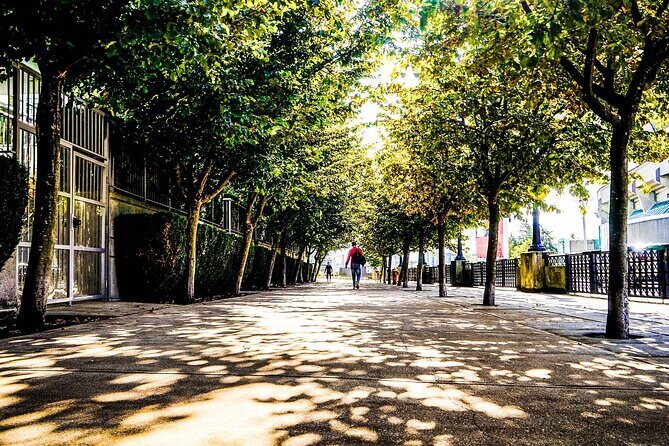
If you’re new to Vancouver, it’s smart to begin in the middle of how the city moves. The tour starts at 601 W Cordova St, right at Waterfront Station, one of downtown’s main transportation hubs. It’s not just convenient. It’s dramatic.
Waterfront Station was built in 1914, and the interior architecture has that classic grand-station look: high ceilings, elegant columns, and a layout that feels “official” in the best way. Historically, it even served as a terminus for the Canadian Pacific Railway. Today, it connects you to other transit systems like SkyTrain, the SeaBus ferries, and commuter trains. In plain terms: you’re looking at the city’s transportation DNA.
Practical tip: spend a minute inside if you can. Even if you’re not a “station person,” it’s one of those places where the building itself helps you understand why downtown Vancouver feels the way it does—busy, connected, and built for movement.
You can also read our reviews of more walking tours in Vancouver


Gastown Steam Clock: the tourist icon that still has personality
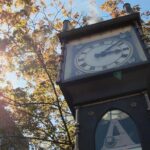
Next comes Gastown, and the quick hit of whimsy you can’t miss: the Gastown Steam Clock. It’s powered by steam and whistles every 15 minutes, releasing a cloud of steam and playing a musical chime. The design is Victorian in style, which fits the cobblestone streets and the old-world energy of the area.
Even if the clock is newer than it looks, it’s become a symbol people use to describe Gastown. The sound and timing make it feel alive, not staged. If your timing lines up, you’ll catch the steam and hear the chime; if it doesn’t, you still get the landmark and the context of why it became iconic.
Why this stop is worth it: it gives you a simple anchor point for the neighborhood. After you see the clock, Gastown feels easier to navigate on your own—like you’ve been given a mental map.
Walking Gastown: cobblestones, heritage blocks, and modern Vancouver right beside it
From the steam clock, the tour rolls straight into Gastown itself—Vancouver’s oldest neighborhood, established in 1867. You can see that age in the streetscape: cobblestones, heritage buildings, and the kind of street layout that makes you slow down just to look around.
At the same time, Gastown doesn’t feel frozen in time. It mixes old facades with modern culture, including boutiques, art galleries, and plenty of places to eat or grab a coffee. That blend is exactly what makes this part of the walk useful. You’re not just learning facts; you’re learning how the city evolved—how it kept certain layers and changed others.
If you’re the kind of traveler who likes a neighborhood more than a single photo, you’ll enjoy the way this section sets you up to wander afterward. You’ll know what to look for: heritage fronts, older street textures, and the patterns of streets that connect the small blocks.
Chinatown Millennium Gate and what it signals
Then you cross into Chinatown, marked at the entrance by a striking landmark: the Vancouver Chinatown Millennium Gate. It was erected in 2002 to celebrate the new millennium, and its design is unmistakably rooted in traditional Chinese architectural style.
Look for details like the red columns, intricate carvings, and colorful tile roofs. Functionally, it’s a gateway you can use as a reference point. Emotionally, it tells you this isn’t just a theme area—it’s a real community with a visible, celebrated identity.
Chinatown is also a place where you can connect history with everyday life, because the streets aren’t empty “museum streets.” They’re full of shops and eateries, where culture is happening in a normal, practical way—something you can experience as you walk rather than only read about.
Dr. Sun Yat-sen Classical Chinese Garden: a calm break from the sidewalk pace
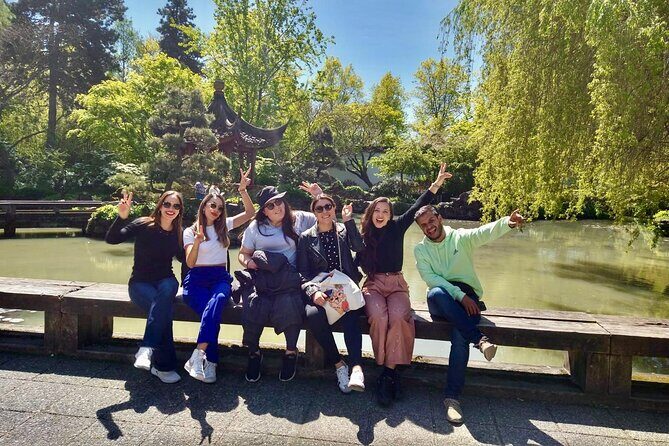
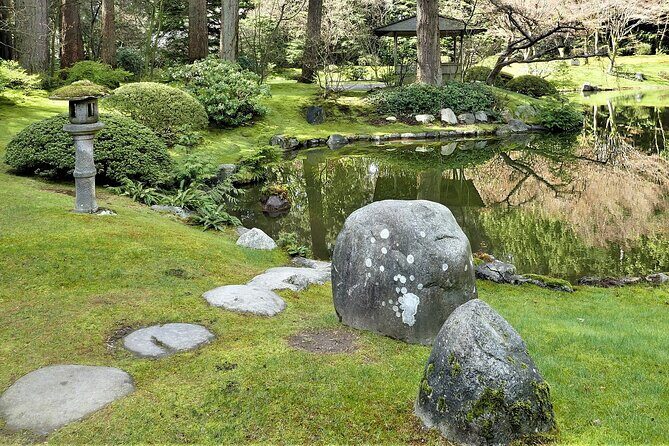
After the street energy, the tour slows down at Dr. Sun Yat-sen Classical Chinese Garden. This is one of those stops that changes your mood in a good way. It’s a serene oasis inside Chinatown, designed using traditional Chinese landscape design techniques.
The garden opened in 1986, and it’s noted as the first authentic classical Chinese garden built outside of China using traditional methods and materials. On the ground, you’ll experience that intention through elements like tranquil ponds, winding paths, pavilions, and carefully selected plants arranged to reflect harmony and balance.
Even if you’re not a big garden person, this stop gives you value because it teaches you how to see the city differently for 20 minutes. Sidewalk Vancouver is one thing. Stepping into a designed landscape is another.
Practical advice: bring your time sense. You might want to linger for quiet photos, but since the tour is scheduled, you’ll still finish the walk at the next stops. That’s fine—this is the kind of place where even a short look helps.


Victory Square and the payoff of small detours
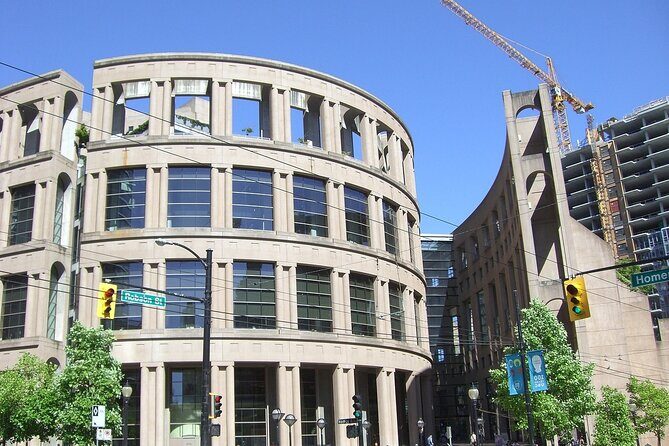
The route continues toward Victory Square, and along the way there are a few additional stops that aren’t listed as the headline sights. That’s a nice touch. It prevents the tour from feeling like a checklist of only the most famous photo spots.
Victory Square works as a closing waypoint because it anchors you back in downtown’s broader context. After Gastown and Chinatown, it’s helpful to see how the city’s different “characters” connect. It also makes the ending feel logical, not abrupt.
The guide experience: what makes the tour feel worth it
The best part of this tour isn’t any single monument. It’s the way the walking format turns a short visit into a coherent story.
In the reviews, I kept seeing the same pattern: the guide—again, Sarah is specifically mentioned—shares history and details without making it feel like a lecture. People note that she’s friendly and informative, and that she shares plenty of fascinating stories about how Vancouver grew and changed.
You also get a practical benefit that’s easy to overlook: recommendations. One of the strongest themes is that after the walk, you’re not just “done.” You’re ready to plan the rest of your trip with better instincts—where to go next and what to pay attention to.
And because the group size is capped at 15, it doesn’t feel like you’re lost in a crowd. Conversations stay possible. Questions don’t feel like interruptions. The pace stays relaxed enough that you can actually keep up while still absorbing the sights.
Price and value: $32 for 2 hours of local context
At $32 per person for about 2 hours, you’re paying for something more than a route. You’re paying for the interpretation—someone to connect the dots between architecture, neighborhoods, and the city’s evolution.
Also, several stops have free admission associated with them. That means your money is mostly going toward the guided experience itself, not gate fees. For a short first-time tour, that’s good value. It helps you decide what deserves more time later.
One more small detail that matters for value: this tour is booked about 49 days in advance on average. That suggests demand. If you’re traveling at a busy time, you’ll want to lock it in early rather than hoping a last-minute spot appears.
Who this walking tour suits best
This is a solid choice if you:
- are in Vancouver for a short time and want an efficient orientation
- like history mixed with real neighborhood atmosphere
- prefer guided walking over reading guidebooks all afternoon
- want to ask questions and get direct local recommendations
It’s also a nice “first day” option. One reason: it gives you landmarks you can mentally reuse later. Waterfront Station, Gastown’s steam clock, the Chinatown gate, and the garden are all clear reference points that make self-guided wandering easier.
If you want deep time at museums or long stops for shopping, you’ll probably need to pair this with extra solo time afterward.
Tips to make the most of it
A few practical things will help this tour click:
- Wear comfortable shoes. Downtown walking adds up fast.
- Have your camera ready near the steam clock and the Chinatown gate.
- Dress for weather. It’s a walk, so conditions matter.
- Don’t treat it like a museum schedule. Think of it as a guided overview that sets your priorities for later.
If you want more value, keep your questions ready. The small group format makes Q&A feel natural, not awkward.
Should you book this Vancouver Walking Tour?
I’d book it if you want a low-cost way to understand Vancouver quickly through its most memorable downtown layers: transportation landmark, historic Gastown, Chinatown identity markers, and a garden that slows everything down.
Skip it only if you hate walking, dislike short timed stops, or need lots of downtime at each location before moving on. Otherwise, this tour is a smart “get oriented fast” move—especially if you’re pairing it with the rest of your trip planning right after.
You’ll leave with enough context to wander smarter, and with a guide-led route that’s easy to remember the next time you’re out on the sidewalk.
FAQ
How long is the Vancouver walking tour?
It runs for about 2 hours.
What is the price per person?
The price is $32.00 per person.
Where does the tour start and where does it end?
It starts at 601 W Cordova St, Vancouver, BC V6B 1G1, Canada and ends back at the meeting point.
What time does the tour run?
The start time listed is 11:00 am.
Is the tour offered in English?
Yes, it’s offered in English.
What’s included in the tour price?
You get a 2-hour guided walking tour with a professional tour guide.
Is the tour group limited in size?
Yes. The maximum group size is 15 travelers.
Are there admission fees for the stops?
The listed stops include free admission tickets (so you don’t pay admission for those sights during the tour).
What cancellation options are available?
You can get a full refund if you cancel at least 24 hours before the experience start time. If you cancel less than 24 hours before, the amount paid isn’t refunded.
Is a mobile ticket used, and are service animals allowed?
Yes, it uses a mobile ticket, and service animals are allowed. The tour is also listed as near public transportation.