REVIEW · WALKING TOURS
Ancient Trees of Vancouver Walking Tour
Book on Viator →Operated by Ancient Trees of Vancouver · Bookable on Viator
Old growth feels closer than you think. This 3-hour Ancient Trees of Vancouver walking tour in Stanley Park is led by big tree specialist Colin Spratt, pairing ancient trunks with old maps and photos so the forest makes sense as you walk.
I love the small group setup (max 10), which keeps the pace relaxed and questions welcome. I also love the story tools—old maps, 120-year postcards, and photographs—that connect today’s trees to Coast Salish life and the park’s past.
The one drawback to keep in mind is that it’s a walking tour with no pick-up, so you’ll want to get to the meeting point on time and wear shoes you trust on park paths.
In This Review
- Key highlights at a glance
- Stanley Park’s ancient giants, explained like you’re in on the secret
- Price and what you really get for $56.33
- The 3-hour plan: Ferguson Point to old-growth trails in Stanley Park
- What you’ll cover during the walk
- Tree highlights you’ll actually remember (and what they mean)
- Chances to slow down and look closely
- Stop in the heart of Vancouver: Stanley Park, First Peoples, and old-growth ecology
- The guide experience: Colin Spratt makes the park feel personal
- Small group size: why max 10 is more than a comfort perk
- Getting ready: how to make the most of a forest walk
- Who should book this ancient tree walk in Vancouver?
- Should you book the Ancient Trees of Vancouver Walking Tour?
- FAQ
- How long is the Ancient Trees of Vancouver walking tour?
- How much does the tour cost?
- Where does the tour start and where does it end?
- What is included in the tour?
- What language is the tour offered in?
- How many people are in the group?
- Is the tour in the morning or afternoon?
- Do I need to buy a ticket just to enter Stanley Park?
- Is pick-up or drop-off provided?
- Are service animals allowed?
- Is free cancellation available?
Key highlights at a glance
- Max 10 participants for a crowd-free feeling in the park
- Colin Spratt brings big-tree spotting skills and history into the same walk
- Old maps and postcards (120 years old) help you see the forest through time, not just in person
- Real old-growth stars like Douglas firs, western red cedar, and the largest known maple in Canada
- Morning or afternoon departures so you can fit it around the rest of your Vancouver plans
Stanley Park’s ancient giants, explained like you’re in on the secret
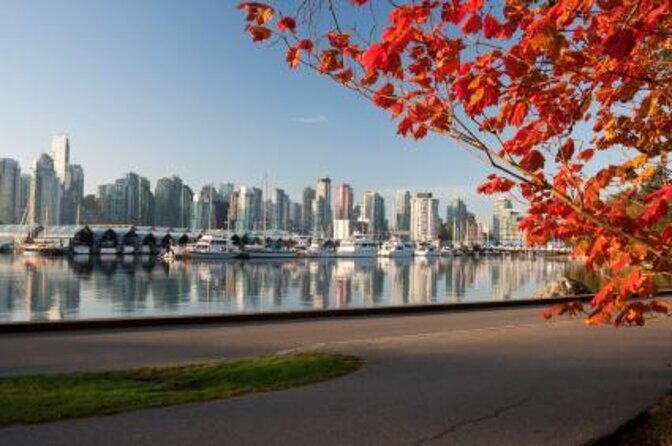
Stanley Park has plenty of viewpoints and classic sightseeing routes. What makes this tour stand out is the focus: you’re not just passing through trees. You’re learning how old-growth forests work, how they survive, and what makes a few specific trees so remarkable.
The guide’s approach matters here. Colin Spratt is not only a guide for this walk—he’s a member of the BC Big Tree Committee and a well-known big tree seeker. That shows in how he points things out: he doesn’t treat the forest like a backdrop. He treats it like evidence.
You’ll also get historical context as you move. The tour uses old maps, photos, and postcards from archives to connect the forest to earlier Vancouver and to the original Coast Salish presence in the area. It’s a practical way to see the park’s layers instead of keeping the story locked in a museum label.
You can also read our reviews of more walking tours in Vancouver


Price and what you really get for $56.33
At $56.33 per person for about 3 hours, this isn’t the cheapest thing in Stanley Park. But it does offer solid value if you care about nature, history, or both.
Here’s the value math that makes sense for many visitors:
- You’re paying mainly for expert guiding and a curated route to major trees (not a generic stroll).
- Stanley Park’s main admission isn’t the focus, since the tour lists admission ticket free, meaning you’re not layering extra costs on top just to enter the park.
- You’re buying time with someone who can read the forest—tree ages, ecological roles, and threats facing old-growth—while also tying in maps and archival visuals.
If your goal is quick photos and a few easy highlights, this might feel like “too much talk.” If your goal is to leave knowing why these trees matter, the price starts to look fair fast. The consistent theme in the feedback is that the guide makes the walk feel like it’s turning on new layers of understanding.
The 3-hour plan: Ferguson Point to old-growth trails in Stanley Park
The tour starts at Ferguson Point, 7501 Stanley Park Dr, Vancouver, BC V6G 3E2 and ends back at the same meeting point. There’s no pick-up or drop-off, so you’ll want to arrive with enough time to find your group and settle in before the walk begins.
In the field, your route is designed around accessible park trails. The emphasis is on seeing outstanding trees and learning what you’re looking at, not covering huge distances. The pacing tends to fit a wide range of visitors, including families—so long as everyone is comfortable walking for roughly the full 3 hours.
What I like about how this is structured: you get a clear “what we’re doing today” focus. Instead of bouncing between random spots, you’re building a picture of old-growth in one park system, then tightening the story with visuals from the past.
What you’ll cover during the walk
You’ll move through Stanley Park while the guide:
- identifies major trees you can recognize later on your own,
- talks through ecological importance and old-growth threats,
- and brings in historical context using old maps, photos, and postcards.
It’s not just lecture time. It’s point, pause, look again, then keep walking.
Tree highlights you’ll actually remember (and what they mean)
This is a big-tree tour, so expect star specimens rather than vague “pretty trees.” The guide highlights major examples of ancient western forest giants, including:
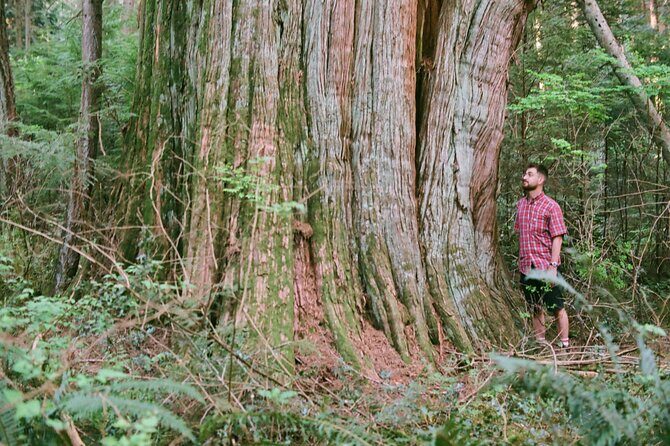
- 600-year-old towering Douglas firs
You’re not just hearing a number. The guide connects age to ecological role—how these long-lived trees shape habitat over centuries.
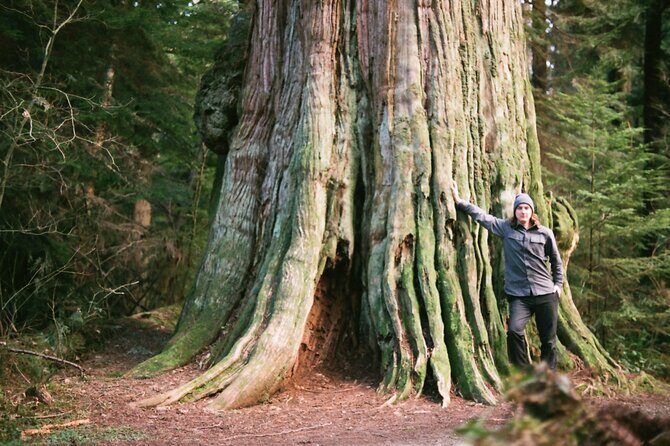
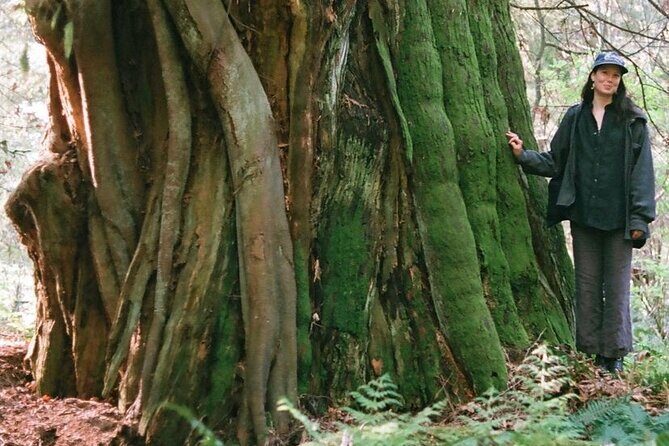
- 1000-year-old wide and wondrous cedars
Western red cedar is the headline for many visitors, especially because the guide talks about how cedar supports life in ways you might not guess at first glance.
- The largest known maple tree in Canada (as described on the tour)
This is the kind of detail that turns a normal park tree sighting into a “wait, really?” moment.
In addition to those featured ages and species, the guide also points out smaller “you’ll miss it if you don’t look” moments. From the feedback, visitors often come away surprised by how multiple generations can occupy the same space—ancient life layered like it has momentum.




Chances to slow down and look closely
A common theme in the comments is that the tour changes how people see trees. That usually happens when you’re taught what to notice: hollowness, structure, and how old-growth trees create conditions for new life. One example that comes up is the idea that fallen trees and decaying wood can act as support systems for regeneration—people mention concepts like nurse logs and how new species can start on older trunks.
Stop in the heart of Vancouver: Stanley Park, First Peoples, and old-growth ecology
Stanley Park isn’t only a nature destination. It’s also a place with deep Indigenous history and a long story of how Vancouver shaped forests.
The tour explicitly connects the trees to the Coast Salish inhabitants, noting that this area was home for thousands of years before it became an urban park. You’ll also hear about the park’s history and how today’s old-growth remnants fit into that larger timeline.
Then the tour shifts back into ecology with clear links between past and present:
- why old-growth forests matter,
- how they function as living systems,
- and what kinds of pressures threaten them today.
From the guide’s storytelling style, the ecology pieces don’t feel abstract. They’re tied to what you can see—like how hollow cedar structures can provide shelter, or how specific cedar traits relate to survival and decay processes. If you’ve ever looked at a “dead-looking” tree and wondered what’s alive inside it, this kind of explanation tends to hit hard—in a good way.
The guide experience: Colin Spratt makes the park feel personal
This tour has one standout ingredient: Colin Spratt’s delivery. The feedback is unusually consistent on this point—people describe him as passionate, entertaining, and patient, with a gift for turning tree facts into stories you can picture.
You can also see why his background fits the subject. As someone involved with the BC Big Tree Committee and known for big tree searching, he brings a “field” mindset. That often means:
- you don’t just get names and ages,
- you get reasons those particular trees matter,
- and you get a sense of how conservation thinking works in real places.
What I appreciate for planning purposes: his style seems to work across ages and interests. Families report that he stays engaged with kids, answering questions and keeping the focus on something kids can grasp without dumbing it down. Solo visitors also mention feeling accommodated, which matters for a guided walk in a topic area that can otherwise feel too technical or too long-winded.
Small group size: why max 10 is more than a comfort perk
The tour caps at 10 travelers, and that changes the whole tone. In a big group, you get rushed glances. In a small group, you can ask why a tree is hollow, why an age estimate matters, or why old-growth forests are worth protecting even when they look “wild” or messy.
A small group also means the guide can adjust the pace. You’re more likely to get those moments of attention where the guide points out something easy to miss—like layered generations living close together, or details on cedar structure that most people never notice.
For you, this matters because the goal isn’t only seeing ancient trees. It’s understanding them. A max-10 setup makes that achievable in 3 hours.
Getting ready: how to make the most of a forest walk
You’ll do best on this tour if you come prepared to walk and look. Nothing about the experience suggests it’s a fast, nonstop hike. Still, it’s a park trail setting, and the whole point is your ability to stop, stare, and ask questions.
A few practical tips that fit the way this tour works:
- Wear comfortable shoes. You’ll spend time on trails and will likely pause often.
- Bring a camera if you like trees, but also remember: the guide’s best moments are usually the “look at that” moments, not the wide-shot moments.
- If you’re visiting in peak season, consider scheduling one of the tours that matches your energy level. The tour offers morning and afternoon options, so you can pick a time that suits your day.
If you’re the type who enjoys history walking tours, the archival visuals here are a bonus. If you’re purely a nature fan, don’t skip the history angle—it’s part of how the guide explains why these trees survived and why they face ongoing threats.
Who should book this ancient tree walk in Vancouver?
This is a strong fit for:
- Nature lovers who want more than generic sightseeing
- People who like history but want it tied to the real world, not only indoor museums
- Families, since the guide’s approach is reported as kid-friendly and question-friendly
- Anyone planning a Vancouver trip who wants a calmer, more meaningful contrast to the city’s usual attractions
It might be less ideal if:
- you only have a short time and need a “highlight loop” rather than a longer story-driven walk,
- you’re expecting a high-energy route with big skyline views every few minutes,
- or you dislike learning through explanations while you walk.
Should you book the Ancient Trees of Vancouver Walking Tour?
If your Vancouver “must-do” list includes Stanley Park and you want to understand the park’s oldest life instead of just passing it, I think this is worth your time. The combination that wins is simple: ancient trees, a small group, and Colin Spratt’s ability to connect tree biology to Coast Salish history and Vancouver’s forest story.
Book it if you want to leave with a changed way of looking—at hollowness, age, regeneration, and why old-growth forests are such a big deal in a modern city.
Skip it only if you’re chasing quick photos and don’t want a 3-hour guided explanation on foot. Otherwise, this is one of the most focused, meaningful ways to experience Stanley Park that you can plan.
FAQ
How long is the Ancient Trees of Vancouver walking tour?
The tour runs for about 3 hours.
How much does the tour cost?
The price is $56.33 per person.
Where does the tour start and where does it end?
It starts at Ferguson Point, 7501 Stanley Park Dr, Vancouver, BC V6G 3E2, Canada, and ends back at the same meeting point.
What is included in the tour?
It includes an expert guide (Colin Spratt), a walking tour, access to guided viewing of ancient giant western red cedar and towering Douglas fir trees, and old maps, about 120-year-old postcards, and photographs used to tell the story.
What language is the tour offered in?
The tour is offered in English.
How many people are in the group?
The maximum group size is 10 travelers.
Is the tour in the morning or afternoon?
There are both morning and afternoon tour options for flexibility.
Do I need to buy a ticket just to enter Stanley Park?
The experience lists admission as ticket free.
Is pick-up or drop-off provided?
No pick-up and drop-off is included. You’ll meet at the listed start point.
Are service animals allowed?
Yes, service animals are allowed.
Is free cancellation available?
Yes. You can cancel up to 24 hours in advance for a full refund.