REVIEW · GRANVILLE ISLAND TOURS
Vancouver: Open-air Whale Watching Tour, Granville Island
Book on GetYourGuide →Operated by Wild whales eco tours · Bookable on GetYourGuide
Orcas feel closer than you expect. On Eagle Eyes, I love the 360° open deck view that lets you scan the water without barriers, and I love the marine naturalist guidance that helps you understand what you’re seeing. From Granville Island, you head into the Salish Sea’s marine ecosystem with a real chance at orcas, humpbacks, dolphins, and other wildlife out in the open.
The main thing to plan for is that it’s open-air. Wind and spray can make you cold faster than you’d think, so bring real layers (and take the optional warm gear if offered).
In This Review
- Key highlights you’ll feel on this tour
- Eagle Eyes catamaran off Granville Island: why the setup matters
- Captain and marine naturalist guidance: the real value is in identification
- Salish Sea time on the water: what your 3 to 5 hours really means
- Species chances: what you might see and how to look like a pro
- Comfort and packing: staying warm on an open deck
- Price and value: is $165 worth it?
- Itinerary flow: from safety briefing to the Salish Sea hunt
- Rules that protect wildlife (and keep your day smooth)
- Should you book? My take for who this tour fits best
- FAQ
- How long is the whale watching tour from Granville Island?
- Where do I meet for the tour?
- What animals might I see on this tour?
- Is the boat open-air, and can I move around on deck?
- Do I need to bring warm clothing?
- Is food provided during the tour?
- Are there washrooms onboard?
- Are pets and drones allowed?
- Is there a whale sightings guarantee?
Key highlights you’ll feel on this tour
- 360° views from Eagle Eyes: walk the deck and keep eyes on the water from every angle
- Captain + marine naturalist commentary: you’ll learn how to identify species and what their behavior means
- Salish Sea wildlife mix: orcas, humpbacks, grey whales (when nearby), dolphins, sea lions, seals, seabirds
- Stable mid-size catamaran ride: a twin-hull design that feels smoother than smaller zodiac-style boats
- Whale sightings guarantee: built in, so missed luck doesn’t have to end your day
- Designed for photos: unobstructed angles and the freedom to move while cruising
Eagle Eyes catamaran off Granville Island: why the setup matters
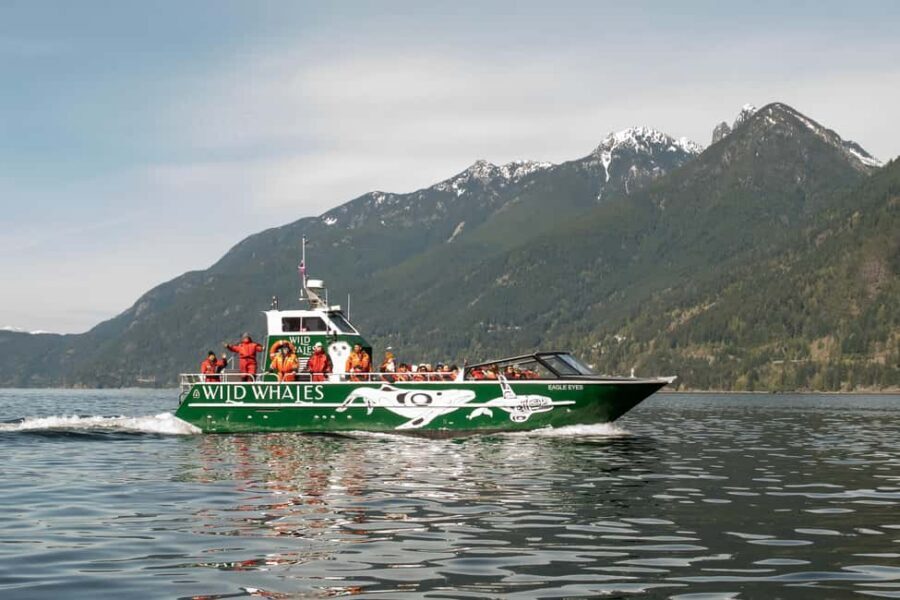
This is a whale-watching tour built around visibility and comfort. The boat—Eagle Eyes—is an open-air catamaran, meaning you’re not stuck peering through windows or sharing your view with a maze of railings. You can walk around the deck, and you’re encouraged to keep moving so you can catch the next surface from the best angle. That freedom is a big deal when whales surface and move fast.
I also like that it’s a mid-size vessel. In practice, that tends to mean you can get a good view without feeling boxed in by the largest boats in the area. And because it’s a twin-hull design, the ride typically feels steadier than smaller, more bouncy watercraft. You’ll still feel the ocean—this is the coast, not a swimming pool—but the boat helps keep things comfortable for long spotting sessions.
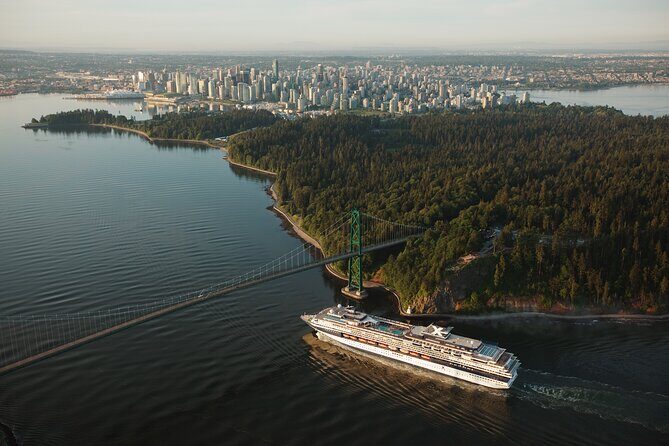
You’re starting from Granville Island, one of the most convenient bases in Vancouver for tours like this. You’ll get out of the city’s noise without losing the ease of getting there. If you like tours that feel like they’re run for people who actually want to watch wildlife, this design is the tell.
You can also read our reviews of more whale watching tours in Vancouver

Captain and marine naturalist guidance: the real value is in identification
The wildlife is the headline, but the guidance is what turns a simple sighting into a story you can repeat. Each trip is led by a captain and a professional marine naturalist who provide commentary throughout the ride. That matters because whale watching is not just about spotting something big. It’s about figuring out what it is, how it’s behaving, and why it’s doing what it’s doing.
In one review, the naturalist named Julia stood out for being clear and deeply practical. The person on that trip said Julia helped them learn how to identify humpback whale behaviors while tracking three humpbacks during the excursion. That kind of instruction pays off immediately. Once you know what you’re looking for—patterns in surfacing, blowing, movement, and timing—you start seeing details even when the whale isn’t right next to the boat.
I also like that this tour doesn’t treat wildlife as random. The naturalist’s job is to connect sightings to the bigger marine food web and conservation. You’re still on the water hunting for whales, but you’re also building understanding of the ecosystem that supports them. That’s how you leave with more than a photo.
And because the guides are focused on the local waters, you’re not just getting generic facts. You’ll hear how to spot different species and what to watch for as conditions change.
Salish Sea time on the water: what your 3 to 5 hours really means
The whole experience is designed around flexible time on the water. The tour runs about 5 hours total, but the whale-watching portion is listed as 3–5 hours depending on weather and where the whales are. That flexibility is not a loophole—it’s how wildlife tours work. The Salish Sea is big, conditions change fast, and whales move.
Your day starts with a safety briefing (about 45 minutes). This is a normal part of boat tours, but it’s also when you get oriented to the deck rules and how to stay safe while moving around. After that, you’re out into the Salish Sea for wildlife viewing with guided interpretation.
The best part is that you’re not stuck with a single long watch that could feel passive. Instead, the guiding team is actively looking and giving context as you go. The naturalist will help you scan efficiently, and the captain coordinates movement so you can maximize your odds.
If you’re the type who gets impatient when nothing is happening, you’ll still want patience here. Whale watching has waiting built in. But the open deck setup makes the waiting feel productive, not boring. You can shift your position, watch in different directions, and stay ready for the next blow.
Species chances: what you might see and how to look like a pro
This tour’s species list is strong, and it includes several of the region’s most iconic animals. Here’s what you might encounter depending on where the whales are that day:
- Orca (killer whales)
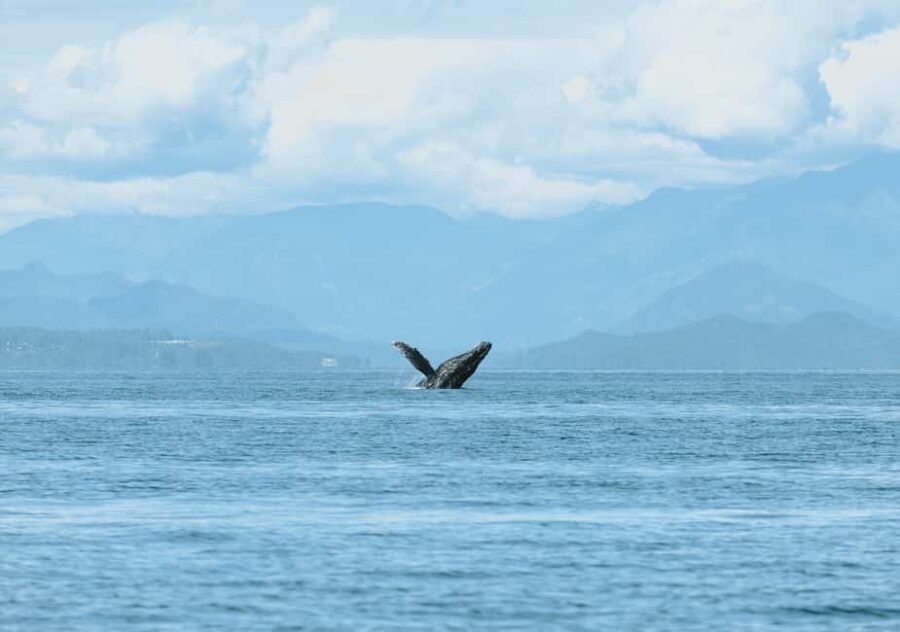
- Humpback whales
- Grey whales (when nearby)
- Pacific white-sided dolphins
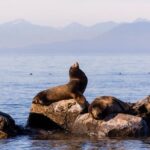
- Steller sea lions
- Harbor seals
- Seabirds across the water
What makes this list worth paying attention to is the variety of animal types. You’re not only watching whales; you’re scanning for signs of the whole ecosystem. Seals and sea lions can show up on the water or near haul-out areas. Dolphins often surface differently than whales and can create fast, energetic moments.
Identification is the key. One review mentioned learning how to identify humpbacks while tracking three of them. That’s exactly the kind of skill you want to bring home. Instead of only thinking, Big whale, you start recognizing behavior.
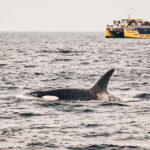
Orcas add another layer. In another review, the person specifically mentioned seeing orca Stanley. That’s a good reminder that these aren’t always nameless sightings. The guides talk about whales in ways that make individuals and movements part of the story. Even if you don’t know the names in advance, the captain and naturalist can help you understand why a group is significant and what behavior suggests.
A practical tip: treat whale watching like birding. Scan steadily, change your viewing angle, and pay attention to surface patterns. When the boat finds wildlife, the action can happen in a short window. Being ready—hat on, camera up, eyes trained—helps you get a great moment without panic.
Comfort and packing: staying warm on an open deck
Open-air sounds fun until you’re standing in wind for an hour. So I’m glad this tour builds warmth into the planning. You can bring warm clothing and you’re also told you have the option to use a wind breaker or suit for warmth.
Here’s what you should pack, based on the tour’s guidance:
- Warm layers (not just a light jacket)
- A hat
- Camera (with a strap you can keep secure)
- Food and drinks (not included)
- A reusable water bottle
You also have onboard washrooms and individual seating available. That’s useful for breaks. Still, the experience is designed so that you can stand and move around the deck during viewing. The freedom to reposition is what keeps the 360° visibility actually useful instead of just theoretical.
A smart approach is to bring a thermos-style plan: keep water handy and bring a simple snack or meal so you’re not stuck spending energy waiting until you’re hungry. Since food and snacks are not included, planning ahead helps you enjoy the long spotting stretches without feeling drained.






Price and value: is $165 worth it?
At $165 per person, this isn’t a bargain-basement activity. But it can be strong value for what you’re getting: a custom-built open-air catamaran, mid-size crowd control, 360° viewing, and interpretive guidance from a captain plus a marine naturalist.
A few factors tilt the value in your favor:
- You’re paying for better sightlines. Open-air and 360° scanning reduce the frustration of blocked views.
- You’re paying for learning, not just spotting. Species identification and behavior explanations make the trip more rewarding.
- You’re paying for wildlife-optimized time. The 3–5 hour viewing window adjusts based on weather and whale location, which is how you maximize chances.
- There’s a whale sightings guarantee. That lowers the risk of a total letdown.
What’s not included matters too. Food and snacks aren’t part of the price, and there’s no pickup/drop-off included. If you’re coming from downtown or you’ll use transit or the small local ferry service, factor in that extra planning. Gratuity is also optional.
So I’d frame it like this: if you want a whale tour for the experience and the education—plus you care about camera angles—this price starts to make sense. If you only want the cheapest possible “maybe I see a whale” outing, there may be less expensive options. But if you want the boat and guide combination designed for visibility, the $165 feels more justified.
Itinerary flow: from safety briefing to the Salish Sea hunt
Your day has a straightforward rhythm:
1) Meet at Wild Whales Vancouver at 1806 Mast Tower Ln, on Granville Island (just south of downtown).
2) Safety briefing once you’re aboard (about 45 minutes).
3) Salish Sea wildlife viewing with guided commentary (this is the core of the trip).
4) Return to Wild Whales Vancouver.
The practical takeaway is that the briefing is long enough to get you comfortable with deck rules and safety habits. That helps because you’ll likely want to move around the deck once you’re out on the water. When you know what’s expected, you spend more energy watching and less energy worrying.
Also, the tour duration is built around wildlife timing. So don’t plan your next commitment immediately after. The 3–5 hours on the water can stretch based on conditions, and the goal is to follow what’s happening out there.
Rules that protect wildlife (and keep your day smooth)
Whale watching is better when people follow the rules. This tour has clear boundaries so you don’t accidentally disturb marine life or endanger yourself.
Not allowed:
- Touching marine life
- Drones
- Pets
- Alcohol and drugs
- Firework
- Non-folding strollers
- Touching animals
If you’re bringing a camera, it’s worth thinking about how you’ll handle it while standing. You’ll be moving around on deck, and you don’t want gear bouncing around. Use secure straps, and keep your hands free when the boat shifts position.
Also, the tour isn’t recommended for pregnant people, and it’s not suitable for wheelchair users. Children under 3 are not recommended on this vessel. If anyone in your group falls into one of those categories, it’s worth choosing a different outing that matches their needs.
Should you book? My take for who this tour fits best
I think this is a great booking if you:
- Want maximum sightlines and a deck experience that lets you move
- Like learning from a naturalist, not just sightseeing
- Care about whale identification skills—especially humpbacks and orcas
- Want a calmer ride than smaller boats, thanks to the catamaran’s design
You might skip it or choose an alternative if:
- You know you’ll struggle with cold wind on an open deck
- Your group includes someone who needs wheelchair access or falls into the pregnancy/age limitations listed for the vessel
If you’re visiting Vancouver and you want a signature coastal experience tied directly to the Salish Sea, this tour checks a lot of boxes. The open-air setup, the stable boat feel, and the focus on real marine knowledge make it more than a quick wildlife hit.
FAQ
How long is the whale watching tour from Granville Island?
The tour runs about 3–5 hours on the water, and the total experience is listed as around 5 hours.
Where do I meet for the tour?
Meet at Wild Whales Vancouver on Granville Island at 1806 Mast Tower Ln, Vancouver, BC V6H 4B6.
What animals might I see on this tour?
You may see orcas, humpback whales, grey whales, Pacific white-sided dolphins, Steller sea lions, harbor seals, and seabirds.
Is the boat open-air, and can I move around on deck?
Yes. The Eagle Eyes catamaran is custom-built as an open-air vessel, and you can walk around the deck.
Do I need to bring warm clothing?
Yes. You’re advised to bring warm clothing, plus a hat and your camera. An optional wind breaker or suit for warmth is listed as included.
Is food provided during the tour?
No. Food and snacks are not included, so bring what you need.
Are there washrooms onboard?
Yes. Washrooms are available onboard.
Are pets and drones allowed?
No. Pets and drones are not allowed.
Is there a whale sightings guarantee?
Yes. Whale sightings guarantee is included with the tour.