REVIEW · WHALE WATCHING
Intimate West Coast Whale Watching – Partly-Sheltered
Book on Viator →Operated by Wild Whales Vancouver · Bookable on Viator
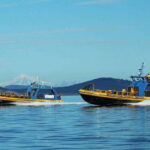
Whales show up better with the right teamwork. This intimate Vancouver whale watching trip pairs a small group (up to 32) with real-time spotting so you spend less time guessing and more time watching behavior up close, plus you get guided wildlife explanations while you’re on the water.
I also like the practical flow: you start with a quick stop at Granville Island so you’re fueled before departure, and you return to the same meeting point after your 3 to 5 hour outing. One consideration: the trip depends on good weather, and whale-finding can take a little patience when conditions shift.
In This Review
- Key Things I’d Pay Attention To
- Entering the Boat Scene: Small Group, Tight Crew, Real Focus
- Granville Island Public Market: Your 30-Minute Pre-Whale Fuel
- On the Water: How You Actually Find Whales Here
- What you may see: behavior, not just big bodies
- The onboard wildlife experts: turning sightings into meaning
- Timing and Route: What 3 to 5 Hours Means in Real Life
- Meeting Point and Getting There Without Stress
- Comfort and What to Bring: The Small Stuff That Changes Your Day
- Price and Value: Is $169.34 Worth It?
- Who This Whale Watching Tour Fits Best
- Should You Book This Whale Watching Tour?
- FAQ
- How long is the whale watching tour?
- How much does it cost?
- Where do I meet for the tour?
- Is there a restroom on board?
- What language is the tour offered in?
- How many people are on the tour?
- What happens if weather is poor?
Key Things I’d Pay Attention To
- Partly-sheltered route: built for a more comfortable ride when you’re near the West Coast.
- Up to 32 people: more room for attention and spotting than the big-boat scene.
- Captain-to-captain coordination: the crew keeps in touch with other local boats to locate whales.
- Real wildlife talk onboard: staff like Julia, Britt, Nicole, and the captain’s team help you understand what you’re seeing.
- Granville Island starter stop: 30 minutes near the Public Market so you can grab snacks before heading out.
Entering the Boat Scene: Small Group, Tight Crew, Real Focus
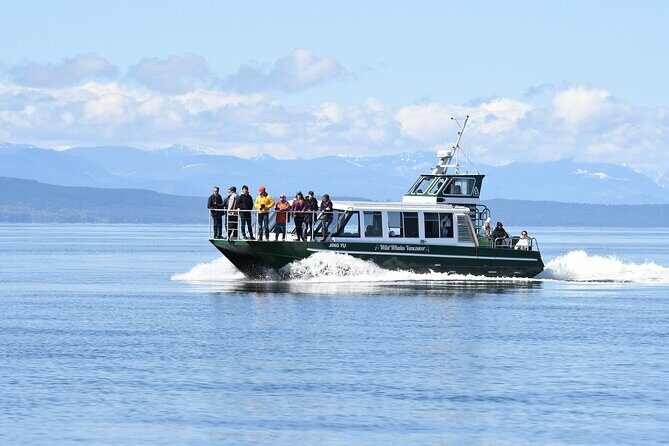
This is the kind of whale watching outing that feels designed for seeing, not just riding. With a maximum of 32 travelers, you’re more likely to get clear viewpoints and a crew that can keep track of what everyone is noticing.
And because it’s described as partly-sheltered, the goal is comfort. In Vancouver, wind and chop can change fast. A sheltered setup doesn’t guarantee smooth seas, but it often helps you concentrate on the real show: the whales, their surface behavior, and the small clues that something’s about to happen.
What I’d expect from the experience based on the guide style: the captain and crew treat whale watching like an active search. That shows up in how they communicate and how quickly they adjust when they learn where pods are.
You can also read our reviews of more whale watching tours in Vancouver

Granville Island Public Market: Your 30-Minute Pre-Whale Fuel
Your first stop is Granville Island Public Market, close to the historic market area. You get about 30 minutes there, and you can use it like a quick pit stop rather than a full sightseeing detour.
Why this matters: whale watching takes time, and even if you’re excited, you still need something in your stomach and a plan for drinks. A market visit before departure lets you grab snacks and water, then settle in for the boat portion without rushing.
Practical note: the tour mentions you can get extra sunscreen and water if you need it, but you’ll still do better if you bring your own reusable water bottle. The combo of sun, wind, and time on the water can sneak up on you.
If you arrive early, I’d keep your market browsing simple—pick your snack, check the general vibe around the docks, and save your energy for the main event.
On the Water: How You Actually Find Whales Here
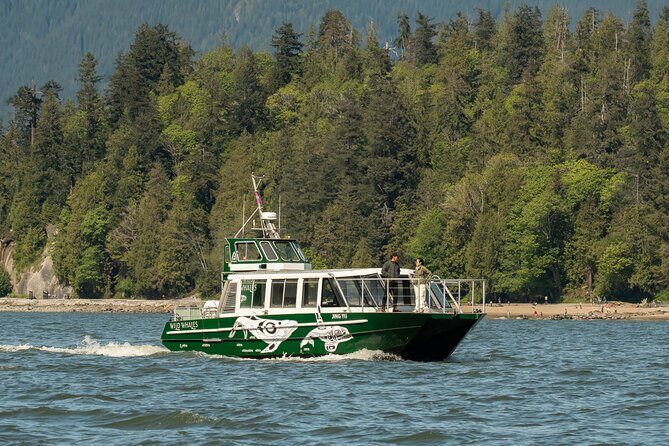
The standout element is how the captain works locations. The crew is described as keeping in touch with other whale watching boats to learn where whales are, then moving to those areas so you can get good sightlines.
This approach matters because whales aren’t scheduled like a show. They surface, feed, travel, and vanish. When the captain is actively coordinating with other crews, your outing often turns from hoping to watching.
What you may see: behavior, not just big bodies
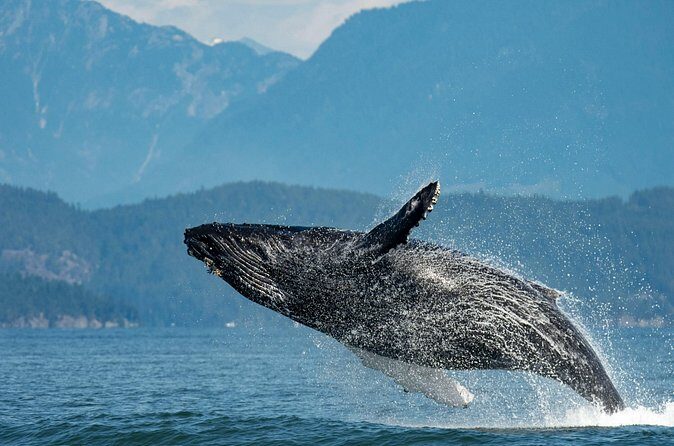
From the experience reports, the most exciting moments tend to come from action and behavior—things you can actually recognize once someone explains what to look for. You might catch:
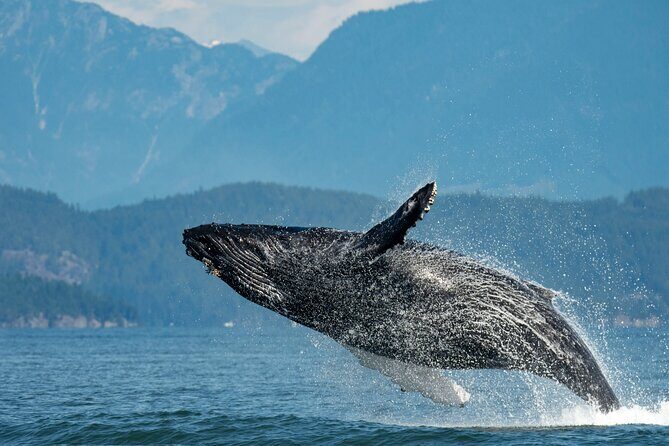
- humpback whales showing breaches and flipper slaps
- repeated surface activity like fluking
- pods appearing multiple times during the outing, not just a single glimpse
And while you should not assume it will happen, some outings include additional species. One account highlights humpbacks and a pod of orcas in the same trip, credited to the captain’s teamwork with other local boats. That’s the kind of “bonus if conditions line up” moment this format is built for.
The onboard wildlife experts: turning sightings into meaning
This tour also leans hard on interpretation. The staff and wildlife experts (including people named Julia, Britt, and Nicole in the feedback) focus on what whales are doing and why. That’s a huge upgrade over tours where you just stare at spouts and hope.
You get explanations tied to real patterns, like whale behavior and migration patterns. When you understand what you’re seeing, you notice more. A breach becomes more than a splash—it connects to feeding or movement. Fin slaps and fluking become more than a noise—they become part of the story.
And the crew stays responsive while you’re out there. Several accounts mention the team staying in contact with others for locations, and then doing a good job of keeping everyone oriented.






Timing and Route: What 3 to 5 Hours Means in Real Life
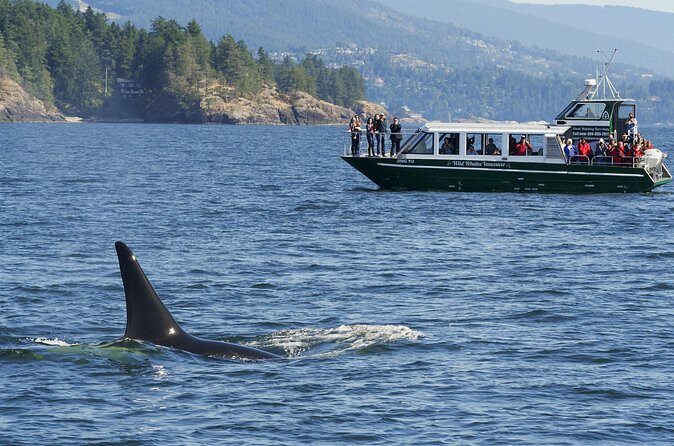
Your outing runs about 3 to 5 hours. That range is normal for wildlife trips, because the whales control the schedule more than the clock does.
Here’s what that means for you: you should plan your day with slack. Don’t book a tight connection right after, and don’t assume you’ll be back the exact minute you want. The best whale watching often requires patience and quick decisions by the captain.
The tour also ends back at the same meeting point where you start, which is helpful. Less scrambling after you get off the boat, more time to grab dinner or decompress.
Meeting Point and Getting There Without Stress
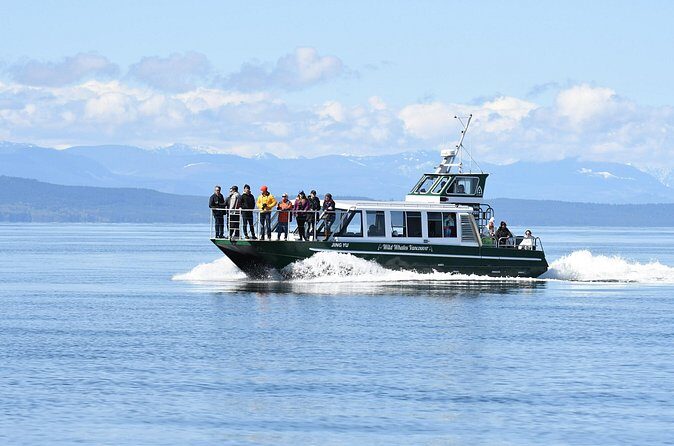
You meet at 1806 Mast Tower Ln, Vancouver, BC V6H 4B6, Canada. The activity ends back at this same meeting point.
The listing notes it’s near public transportation, which is a big deal in Vancouver where parking can be annoying and expensive. If you’re trying to travel light and keep your day easy, this helps a lot.
Also, it’s an English-language experience, so you can focus on what the guides say instead of filtering language.
One small comfort detail that matters more than people think: the boat has a restroom onboard. For a multi-hour outing, that’s genuinely valuable.
Comfort and What to Bring: The Small Stuff That Changes Your Day
Even with a partly-sheltered setup and a restroom onboard, you’ll still want to dress like you’re going to be outside for a while. Vancouver wind can cut your attention fast if you’re not prepared.
Based on what the tour encourages and what the experience format suggests, I’d pack smart like this:
- a reusable water bottle (the crew can provide water if needed, but your own is easier)
- sunscreen (they may have extra, but bring your own so you’re covered)
- a layer you can add or remove quickly (wind on the water is real)
- anything you use to keep your phone or camera secure while moving around
One nice touch: the experience provides extra sunscreen and water if necessary. That reduces stress if you forget something, but it shouldn’t be your plan.
Price and Value: Is $169.34 Worth It?
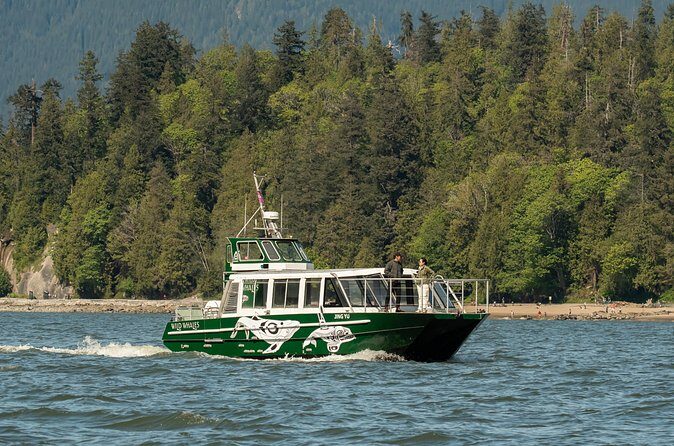
At $169.34 per person, you’re paying for more than a boat ride. You’re paying for a format that supports high-quality spotting:
- Small group size up to 32, which helps the crew manage and orient everyone.
- Active whale location strategy, with the captain coordinating with other local boats.
- Onboard interpretation, with staff like Julia, Britt, Nicole, and the captain’s team helping you understand behavior and patterns.
- Practical comfort items, including a restroom onboard, plus extra sunscreen and water if you need it.
If you’re the type of person who wants the story behind the sighting, this price makes more sense. If you only care about seeing whales at any cost and don’t want explanation, you might feel like you’re paying for more than you’ll use.
My practical take: if you want a trip that helps you turn fleeting spouts into real whale understanding, this is solid value. If your priority is a super short outing or you’re checking off whales like a box, you may want to compare options based on your own style.
Who This Whale Watching Tour Fits Best
This tour is a good fit if you:
- want a more personal experience than big groups
- like getting answers while you’re watching, not after
- enjoy nature details like why whales surface, what behavior means, and how patterns show up
- want a trip that may include multiple pods during your session, based on how the captain adjusts locations
It also notes most travelers can participate, which helps. And the maximum group size keeps it from feeling like you’re packed in.
If you’re booking for a very specific species, keep expectations flexible. The captain and crew can improve your odds with coordination, but wildlife still makes the final call.
Should You Book This Whale Watching Tour?
I’d book it if you want an intimate outing with a crew that works actively to find whales and explains what you’re seeing while you’re out there. The combination of a capped group size, a captain who communicates with other local boats, and wildlife experts like Julia, Britt, and Nicole is exactly the recipe for a trip that feels more than random luck.
Skip it or hold off if your schedule is too tight. Weather matters, and whale watching depends on conditions. If you can keep some breathing room in your day and you’re excited to learn while you watch, this one is worth your time.
If you want an easy decision rule: you’ll likely love this tour if you’re the kind of person who notices details—breaches, fin slaps, fluking—and wants someone to help you connect those moments to whale behavior.
FAQ
How long is the whale watching tour?
The duration is approximately 3 to 5 hours.
How much does it cost?
The price is $169.34 per person.
Where do I meet for the tour?
Meet at 1806 Mast Tower Ln, Vancouver, BC V6H 4B6, Canada, and the tour ends back at the same meeting point.
Is there a restroom on board?
Yes, there is a restroom on board.
What language is the tour offered in?
The experience is offered in English.
How many people are on the tour?
It has a maximum of 32 travelers.
What happens if weather is poor?
This experience requires good weather. If it’s canceled due to poor weather, you’ll be offered a different date or a full refund. You can cancel up to 24 hours in advance for a full refund.