REVIEW · TOUR REVIEWS
Foxtrail Scavenger Hunt – Compass Trail Vancouver
Book on Viator →Operated by Foxtrail Canada · Bookable on Viator
Foxtrail Compass Trail in Vancouver turns the city into a puzzle route you control. It is a self-guided walking adventure built around scavenger hunts, escape-game style challenges, and sightseeing, and I like that it mixes brainy tasks with time outside. I also enjoy the AR-in-app clues and toolkit approach, because it makes even familiar streets feel like a new route. One thing to keep in mind: since it is self-guided, you may hit a clue location that is harder to access than expected, so patience helps.
You start and finish near 808 Beatty St in Yaletown, and the whole loop takes about 3 hours at an easy-to-moderate pace. You’ll need a smartphone with internet and your confirmation email on your phone to get rolling. The experience is offered in English, and it’s limited to a small group size (up to 6 travelers), which keeps it from feeling crowded.
For families and first-timers, this is a smart way to learn the city by doing. For kids, some riddles can be challenging, but the built-in hints can help you keep moving. If you want a guided narration with zero problem-solving, this may feel more like a game night outdoors than a traditional tour.
In This Review
- Key Points Before You Go
- Getting Oriented at 808 Beatty St (Yaletown Start and Finish)
- How the Foxtrail App Turns Vancouver Into an Escape-Game Walk
- The 3-Hour Route Feel: Early Fence Clues and a Water-Side Bench
- Teamwork Without a Lecturer: How to Keep Everyone in the Zone
- What to Bring for a Comfortable Vancouver Game Walk
- Who This Experience Suits Best (Families, Locals, and Small Groups)
- Common Friction Points to Expect (and How to Handle Them Fast)
- Value for Your Time: Why This Trail Can Be Worth It
- Should You Book Foxtrail Compass Trail Vancouver?
- FAQ
- How long is the Foxtrail Compass Trail Vancouver experience?
- Where does the experience start and end?
- Is this a guided tour?
- What do I need to bring?
- What language is the experience offered in?
- How many people are in the group?
- Can I use a smartphone for the ticket and clues?
- Are service animals allowed?
- Is the meeting point easy to reach by transit?
- What is the cancellation policy?
- Can children participate?
Key Points Before You Go
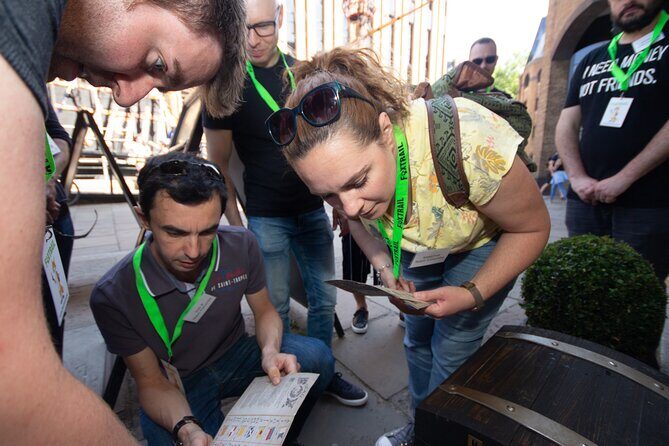
- Self-guided, team-based format: You solve clues together at your own pace.
- AR + puzzles in the app: Mechanical games, code breaking, and hidden messages keep it interactive.
- 3 hours walking: Plan for comfortable shoes and a steady stroll through downtown areas.
- Small max group size: Limited to 6 travelers, so the experience stays manageable.
- Hint support exists: If a puzzle stalls, you can use the hints feature.
- Some clue spots can be picky: A station may be hard to investigate or, in rare cases, not where the clue expects.
Getting Oriented at 808 Beatty St (Yaletown Start and Finish)
The Compass Trail begins right in Yaletown, at 808 Beatty St, and you end back at the same spot. That matters more than it sounds. You can start with the city energy of downtown waterfront-adjacent neighborhoods, then work your way through clues without worrying about a complicated end point or last-mile logistics.
Since the tour is self-guided, you are basically your own host. The app and the mobile ticket are what keep you moving from one challenge to the next. That means you’ll want to treat your phone like part of your gear, not an afterthought.
A small but practical tip: arrive ready to start immediately. You are given confirmation at booking, and you’ll want your confirmation email visible on your smartphone so you can access what you need quickly. If you arrive hungry or without your phone set up, your first clue can feel stressful instead of fun.
You can also read our reviews of more tours and experiences in Vancouver.



How the Foxtrail App Turns Vancouver Into an Escape-Game Walk

Compass is not just a classic scavenger hunt with trivia cards. It blends scavenger hunts, escape-game mechanics, and sightseeing into one route. In practice, you’re constantly switching between looking around, decoding messages, and completing puzzle steps that push you to think like a team.
Here is what makes the app side feel useful instead of gimmicky:
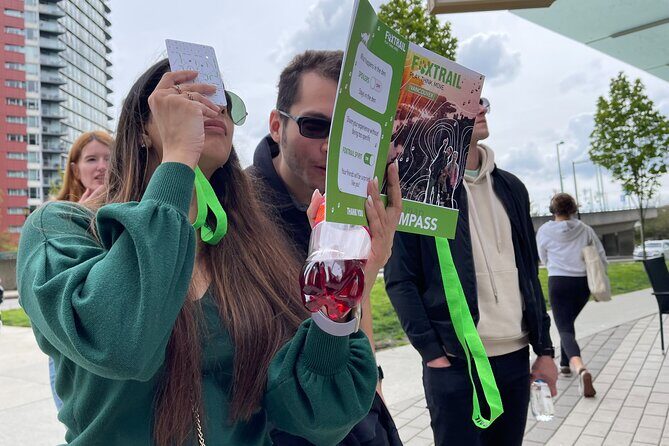
- AR in the app helps the clues feel tied to the real streetscape, not trapped inside your imagination.
- Code-breaking and hidden messages give you structure. You rarely wonder what to do next for long.
- Mechanical games add a physical twist. Even when you are stuck on a riddle, you often have something concrete to try as a group.
The best part is that it keeps everyone involved. Adults tend to like the logic puzzles. Teens often enjoy the hands-on challenge flow. Even families can participate because the experience is designed for a range of ages, with the option to use hints when the going gets tough.
One more reality check: you are not solving everything instantly. Several people enjoy the fact that riddles can get challenging, including for kids. If you’re traveling with younger explorers, make sure you’re comfortable switching from mode 1 (thinking) to mode 2 (using hints) rather than grinding at one clue for too long.
The 3-Hour Route Feel: Early Fence Clues and a Water-Side Bench
The tour is about 3 hours, and the route is built to keep the challenge level up early while still staying fun. Because the exact clue details vary by the day and the station condition, it helps to think in terms of route “moments” rather than expecting one fixed postcard stop after another.
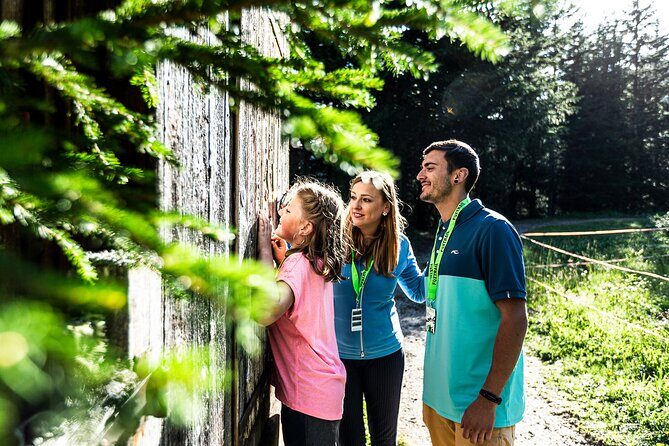
Early on, you’ll move through urban areas where you’re asked to locate a specific clue at a specific spot. One type of station can involve a clue placed on a fence near an area like a parking lot. In at least one real case, a fence-mounted clue was removed or not where it was expected to be, which turned a quick photo-and-read moment into a long search loop.
What should you do in that situation? Use the hints feature and compare what you see around you with what the app suggests. Then, if it is still clearly missing or unreachable, don’t keep circling for 45 minutes. Shift roles, check your team’s assumptions, and keep moving to the next station if the trail allows it.
Later in the walk, the route can bring you toward a water-side bench that has extra barriers around it (one example includes barbed wire in front of the bench). This is the kind of clue that changes how you experience the trail. You may need to carefully find a safe viewpoint and access path, and the terrain can be steeper than it looks from afar.
Two key takeaways here:
- Don’t rush. If a station feels awkward, slow down and look for the safest way to investigate.
- Keep it respectful. You’re there to read clues, not to climb or tug on anything.
After those moments, the route continues through downtown areas that let you notice the city in a different way. One of the strongest benefits of this style of walking game is that it often sends you past parts of Vancouver you might not naturally explore, even if you’ve lived here a long time.
Teamwork Without a Lecturer: How to Keep Everyone in the Zone
Compass Trail works best when you treat it like a small team sport. There is a reason it caps at 6 travelers: it’s easier for a group to stay coordinated, share phone-screen duties, and keep momentum when everyone has a role.
Try this simple team rhythm:
- One person reads clue instructions on the phone.
- One person scans the immediate surroundings.
- One person focuses on puzzle steps (codes, message decoding).
- Everyone else chips in with observations, especially when AR prompts are involved.
Because it is self-guided, you won’t have someone stopping you every 5 minutes. That’s good if you like autonomy. It can be frustrating if you want a “tour guide voice” to confirm you are on the right step. So go into it with the mindset of a game: you’re learning by doing.
The route also encourages energy changes. Even when you are stuck on a riddle, the game design often shifts you to a new task that feels different enough to restart your brain. That helps a group stay motivated rather than turning into a single long argument over one clue.
What to Bring for a Comfortable Vancouver Game Walk
Foxtrail gives you a short list, and sticking to it will make the whole experience easier.
Bring:
- Weather-appropriate clothing
- Comfortable walking shoes
- At least one smartphone with internet connection
- Your confirmation email on your smartphone
That smartphone requirement is the big one. The tour uses a mobile ticket and the app for clues, including AR elements. If your data connection is weak, you may lose the thread of the experience. If you are traveling with multiple people, try to make sure at least one phone is fully ready before you start.
Shoes matter too. A city walking game may sound tame, but the clue stations can lead you into places where you need stable footing and quick decisions about where to stand and look.
And since Vancouver weather can change fast, wear layers you can adjust. You’re outside for about 3 hours, and the game pace is easier when you’re not distracted by being cold or wet.






Who This Experience Suits Best (Families, Locals, and Small Groups)

Compass Trail is built for a broad range. It is described as suitable for the whole family, and the format is meant to keep teams engaged whether you are visiting for the first time or exploring as a long-time Vancouver person.
Here is who tends to love it most:
- Families who want a structured outdoor activity that still feels like play.
- Teens and adults who like puzzles, codes, and thinking games.
- Locals who enjoy seeing parts of the city they might not remember noticing.
One fair caution: some riddles can be challenging for children. If you’re bringing younger kids, plan to share clue duties and lean on hints quickly. The goal is to keep the fun rolling, not to test everyone’s patience.
Because it’s capped at 6 travelers, it’s also a good size for friends or a small group outing. You avoid the chaos of large tours, and you can keep a shared focus on the next clue without constantly adjusting for crowd movement.
Common Friction Points to Expect (and How to Handle Them Fast)
A self-guided scavenger hunt is still a hunt. That means the main friction isn’t the puzzles themselves. It’s the real-world details around clue locations.
Here are the practical issues to watch for:
- Access problems at clue sites: Some stations can be bordered by barriers, and you might need to find a safe angle to investigate.
- Clues that are hard to reach: If a clue expects you to look at a fence-mounted detail, plan for the possibility that you’ll need to search your surroundings more carefully.
- Stations that feel time-consuming: If a station is taking too long, don’t let it steal the whole afternoon. Use hints, regroup, and decide when to move on.
If you run into a clue that seems missing or unreachable, the most effective approach is to use the app hints feature to confirm what the clue expects you to see. Then, if it still does not line up, you’ll save energy by shifting to the next feasible step.
And remember: this is designed to be engaging, not perfect. The best versions of this kind of game feel like an adventure. The not-so-best versions feel like you’re stuck in one awkward spot. The hint system helps you avoid the worst of that.
Value for Your Time: Why This Trail Can Be Worth It
There’s real value in a 3-hour experience that combines walking, problem-solving, and city sightseeing in one package. You get a clear timeframe, a defined starting point, and a route that nudges you into varied urban moments.
What makes it feel like good value is how much you do in a short window:
- You’re active instead of waiting around for the next stop.
- You’re thinking instead of passively looking at landmarks.
- You’re connected to the city through AR prompts and clue locations.
Also, the small group limit (up to 6 travelers) keeps the experience from becoming a crowded scavenger shuffle. In other words, you spend more time cooperating and less time squeezing past strangers.
If you enjoy self-paced activities, this can be an easy win for a half-day in Vancouver—especially on a day when you want to be outside but still want structure.
Should You Book Foxtrail Compass Trail Vancouver?
Book it if you want an outdoor activity that feels like a game, not a lecture. You’ll probably have a great time if you like puzzles, teamwork, and exploring Vancouver from a slightly unusual angle—especially if you’re the type who enjoys using hints and moving forward instead of getting stuck.
Skip it (or think twice) if you need a fully guided experience with someone monitoring each clue station in real time. Since it is self-guided, the route depends on you, your phone, and the accessibility of clue spots. If that sort of uncertainty would annoy you, you may prefer a traditional tour.
If you’re traveling with a mixed-age group, treat it like family fun with shared roles, not like a strict test. With comfortable shoes, a working data connection, and the willingness to solve as you go, Compass Trail is a smart, entertaining way to spend a few hours in Vancouver.
FAQ
How long is the Foxtrail Compass Trail Vancouver experience?
It takes about 3 hours.
Where does the experience start and end?
The tour starts at 808 Beatty St, Vancouver, BC V6B 1C2, Canada, and it ends back at the meeting point.
Is this a guided tour?
No. This is a self-guided walking adventure.
What do I need to bring?
You should bring weather-appropriate clothing, comfortable walking shoes, at least one smartphone with internet connection, and your confirmation email on your smartphone.
What language is the experience offered in?
It is offered in English.
How many people are in the group?
There is a maximum of 6 travelers.
Can I use a smartphone for the ticket and clues?
Yes. It uses a mobile ticket, and you also need your confirmation email on your smartphone.
Are service animals allowed?
Yes, service animals are allowed.
Is the meeting point easy to reach by transit?
The meeting point is near public transportation.
What is the cancellation policy?
Free cancellation is available up to 24 hours in advance for a full refund.
Can children participate?
Most travelers can participate, and it is described as suitable for the whole family, though some riddles can be challenging for children.