REVIEW · STANLEY PARK TOURS
Vancouver: The Dark Secrets of Stanley Park Tour
Book on GetYourGuide →Operated by Forbidden Vancouver · Bookable on GetYourGuide
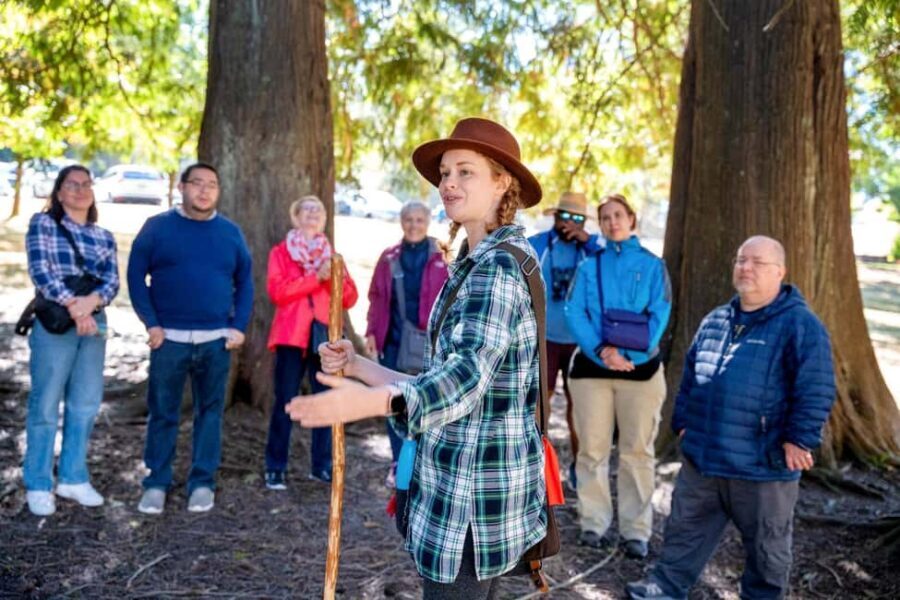
Stanley Park hides stories you won’t expect. This is a 2-hour walk that pairs forested trails with Coast Salish village sites and the harder parts of how the park was made. I love the way the guide turns familiar landmarks into clues, so every stop feels like it has context, not just scenery.
You start at the Vancouver Aquarium and quickly move away from the postcard version of Stanley Park. Along the way, you’ll hear true crime-style storytelling, see the totem poles people travel for, and get pulled toward spots most visitors miss—like hidden paths and the eerie idea of ghost stumps.
One thing to plan for: the tour is designed for adult audiences, with mature themes, and it’s not suitable for wheelchair users—so it’s better suited to older kids (10+ only if parents are comfortable) and adults ready for the heavier history.
In This Review
- Key highlights you’ll care about
- Meeting at the Vancouver Aquarium: starting where the stories begin
- Off-the-beaten-path trails under giant trees
- Coast Salish village sites and the forced eviction story
- Deadman’s Island: the legend and the public health nightmare
- Secret cemeteries, ghost stumps, and the crime-story tone
- Totem poles, seawall moments, and Downtown/Lions Gate views
- Pace, comfort, and what 2 hours actually feels like
- Price and value: what $28 buys you in real terms
- Who should book this Stanley Park dark-history tour?
- Should you book it or pass?
- FAQ
- Where does the tour start?
- How long is the Stanley Park dark secrets tour?
- How much does it cost?
- What should I bring?
- Are pets allowed on the tour?
- Is this tour suitable for kids?
- Is the tour wheelchair accessible?
Key highlights you’ll care about
- A storyteller-led walk off the main loop that actually takes you into quiet forest trails
- Coast Salish village sites and forced eviction history explained in a way that makes the park feel real
- Deadman’s Island context plus a Squamish legend tied to war and historic smallpox use
- True crime style narratives and graveyard-type stops, including secret cemeteries
- Totem poles and seawall viewing breaks that mix famous sights with lesser-known corners
- Big city views of Downtown and the Lions Gate Bridge from specific park viewpoints
Meeting at the Vancouver Aquarium: starting where the stories begin
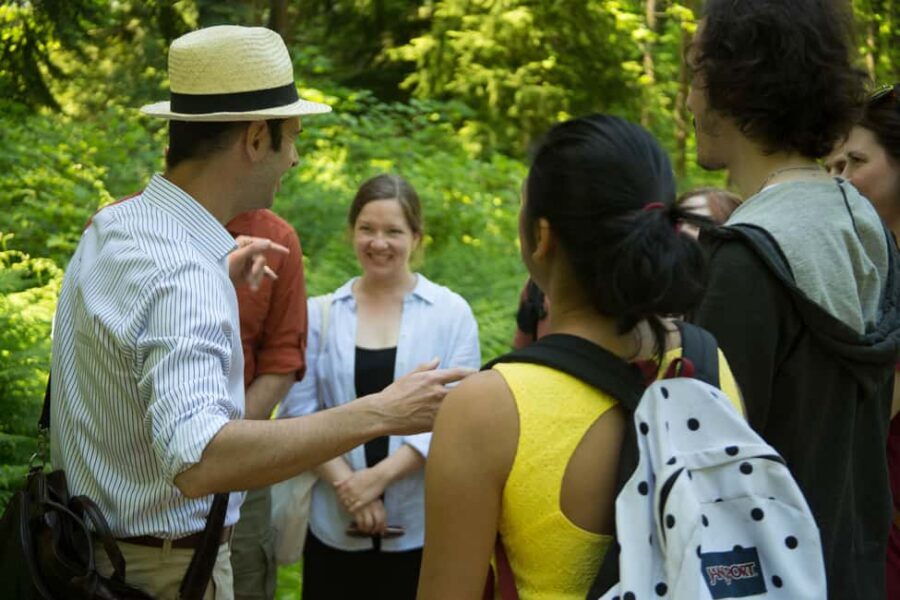
You meet outside the Vancouver Aquarium at the Whale sculpture, at 845 Avison Way in Stanley Park. That matters, because the tour starts in the right place: you’re already inside the park’s “gateway zone,” where you can easily connect the modern visitor experience to what came before it.
From there, the pace shifts. You’re not just strolling for views—you’re being guided toward less-used paths under huge trees. If you’re the type who likes to understand why a place looks the way it does, this setup works well. It keeps your brain in discovery mode instead of “just passing by.”
The guides also sound like professional storytellers, not just lecturers. In recent tours, names like Cole, Ashlyn, and Glenn have come up in reviews for being friendly, prepared, and serious about connecting you to what happened in the park—not only what’s pretty now.
You can also read our reviews of more tours and experiences in Vancouver.



Off-the-beaten-path trails under giant trees
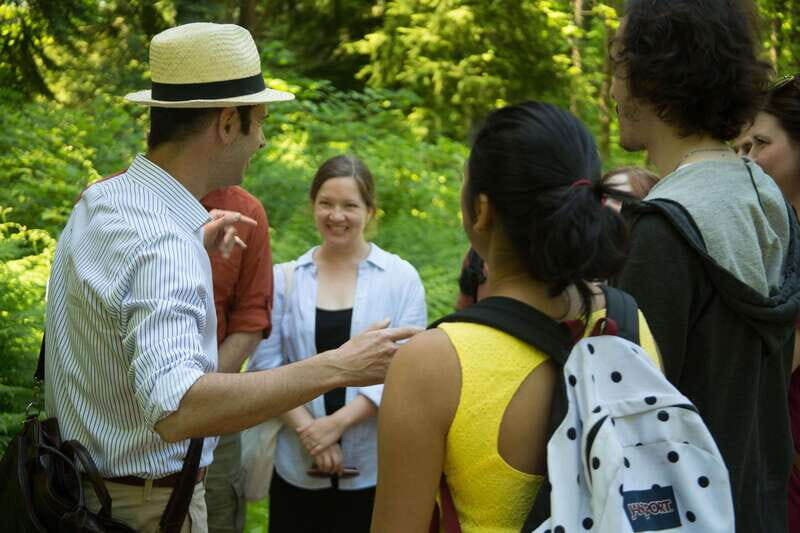
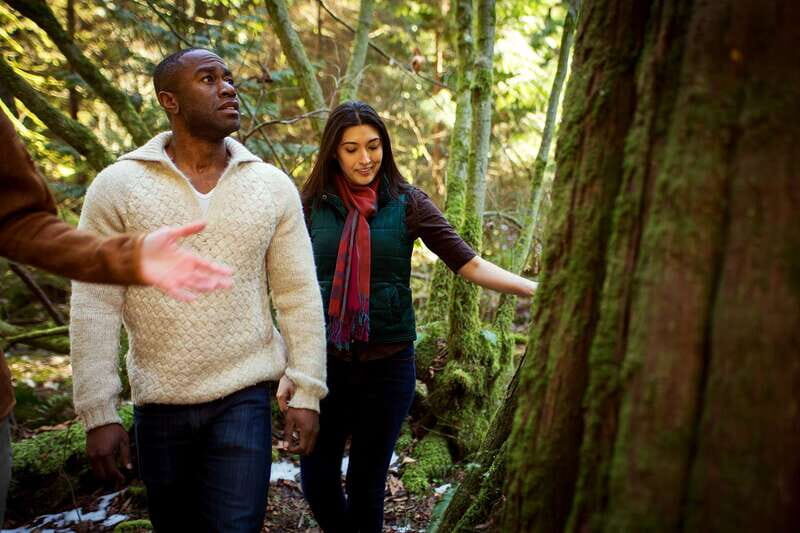
One of the biggest wins here is simple: you walk where most people don’t. Stanley Park can feel busy near the usual spots, but the tour has you moving along forested trails that feel like a genuine Pacific Northwest woods experience.
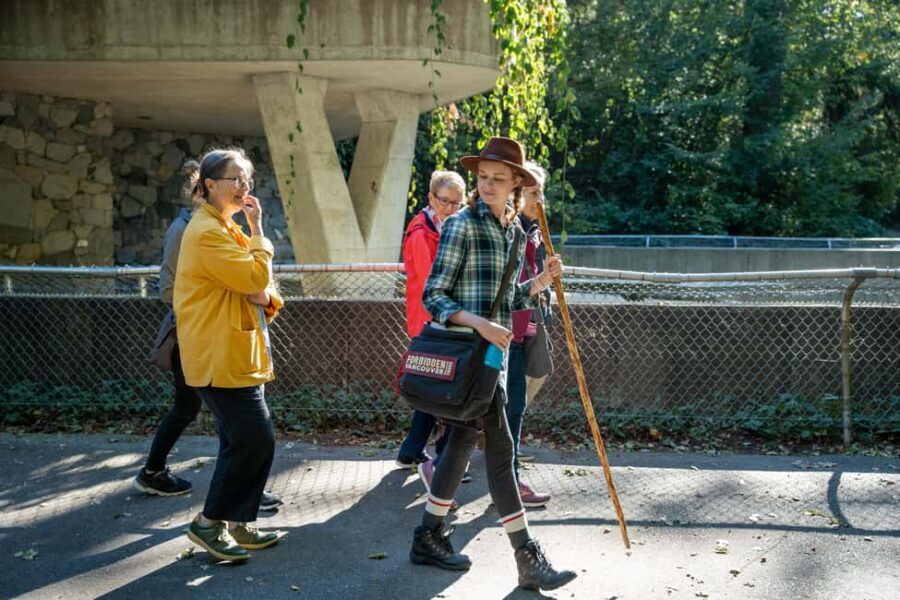
You’ll notice the shift right away. Instead of being pulled along by crowds, you’re walking beneath towering trees and onto paths that feel quieter and more grounded. Bring comfortable shoes because the terrain is part of the point. Also bring water and sunscreen; Stanley Park can catch sun between canopy gaps, and you’ll be out long enough to feel it.
What I like about this approach is that it sets the emotional tone. When you hear about villages that once lived here or outbreaks that once shaped what happened to bodies and land, you’re not doing it while staring at a souvenir stand. You’re doing it in the same kind of forest setting where those events had to unfold.
Coast Salish village sites and the forced eviction story
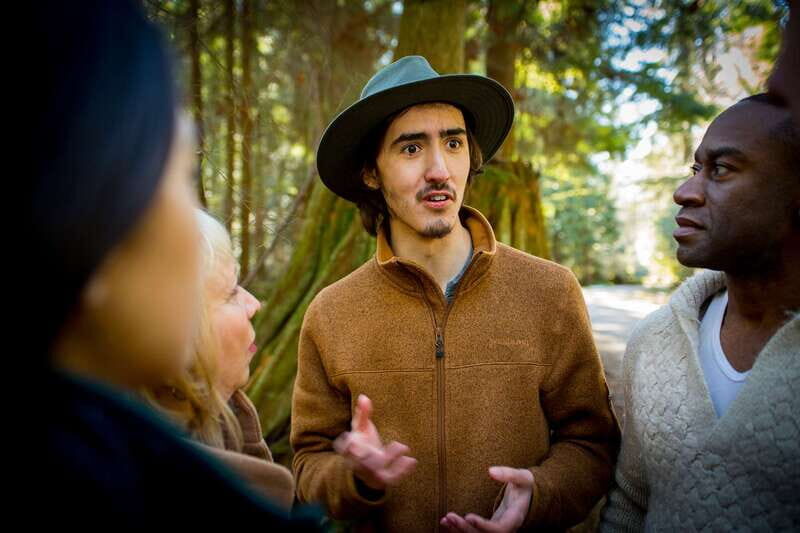
The tour’s core idea is that Stanley Park isn’t just “untouched rainforest next to a city.” It’s also a place marked by displacement. You’ll learn how Coast Salish people lived on the land for millennia—and then faced pressure and forced evictions by government actions.
The guide shows you former Coast Salish village sites hiding in plain sight today. That phrase matters because it changes how you look at everything after the tour. You’ll start noticing how the park’s “natural” features overlap with places that once held daily life—work, community, and movement across the region.
This is also where the tour can hit harder emotionally. Reviews highlight how guides connect the treatment of indigenous peoples and other marginalized groups who lived in the park. The result is a walk that feels educational but not sterile. You come away understanding that park history isn’t only about trees and tourism—it’s about people, power, and survival.
Deadman’s Island: the legend and the public health nightmare
Deadman’s Island is one of those Stanley Park topics that sounds like folklore until the historical details put it into a sharper context. You’ll hear the Squamish legend tied to an ancient war, and you’ll also learn how the island was used as a pest house during smallpox outbreaks in the 1800s.
For me, what makes this stop effective is the double layer: story plus history. The legend gives you meaning and symbolism; the smallpox history gives you the reality of what epidemics did to communities and how authorities handled disease. You don’t just hear an eerie name—you learn why it matters.
Also, this stop reinforces the broader theme of the tour: names and landmarks often hide complicated truths. After Deadman’s Island, other stops start to feel connected, like pieces of a single narrative rather than random “dark facts” sprinkled around the park.
Secret cemeteries, ghost stumps, and the crime-story tone
The tour includes a mix of sites that feel haunting, including secret cemeteries and what the tour calls ghost stumps. You’ll also hear famous true crime stories and discover shocking crime scenes—presented in a guide-led way that keeps the focus on how place and event are linked.
A heads-up: this is not a gentle nature walk. The subject matter includes adult themes, and the tour is designed for adult audiences. The provider’s age guidance is 14+ for the themes, and kids age 10+ can attend only if parents feel comfortable with mature subject matter.
Still, there’s value in the way the guide handles it. The best walking tours like this don’t sensationalize. They use the stories to help you read Stanley Park differently. When you hear about cemeteries tucked away and eerie remnants like ghost stumps, you start to understand how layers of life and death can exist side by side with a park that many people experience as purely recreational.




Totem poles, seawall moments, and Downtown/Lions Gate views
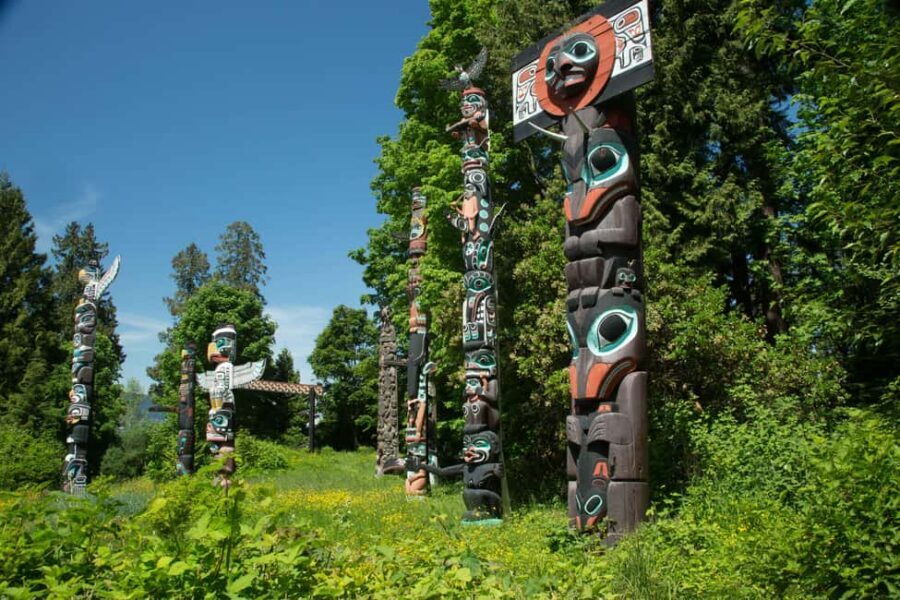
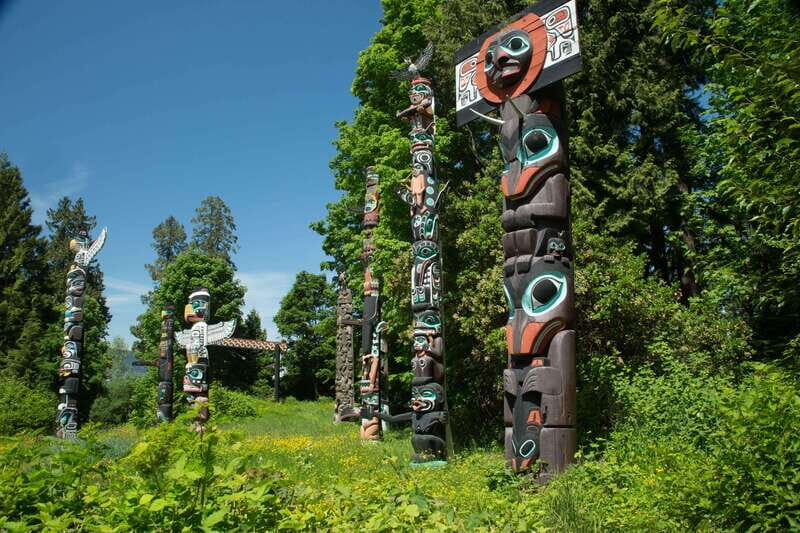
You do get the classic Stanley Park moments. You’ll see the world famous totem poles, and you’ll also spend time along the seawall area. These stops matter because they connect the “dark secrets” theme with the park’s public-facing identity.
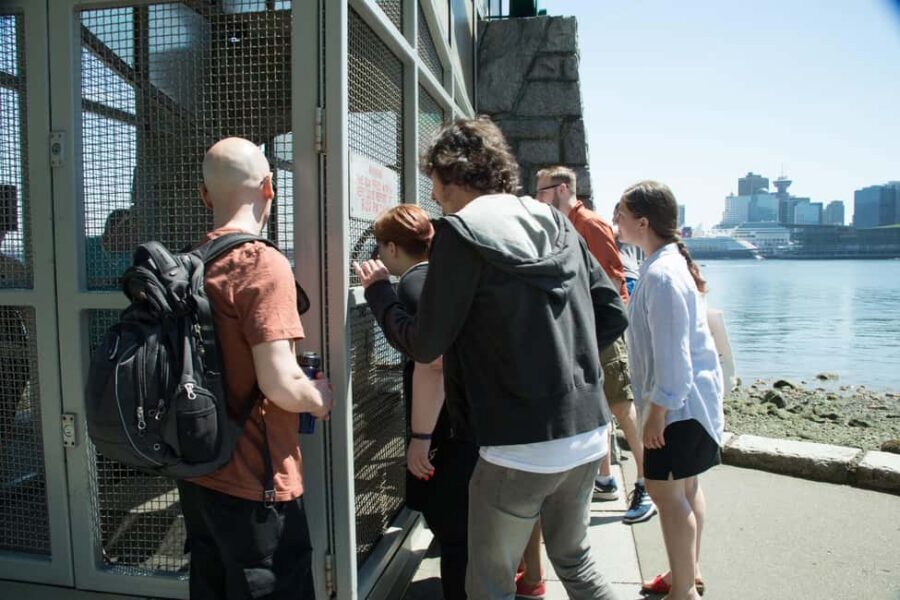
Here’s the practical part: the views give your brain a reset. The tour includes breath-taking outlooks over Downtown Vancouver and toward the Lions Gate Bridge. That means you’re not stuck in heavy storytelling the entire time. You’ll get a chance to breathe and take a few photos, then the guide pulls you back toward the next historical clue.
If you’re trying to balance your Vancouver trip, this works well. You can pair the tour with other Stanley Park sightseeing afterward. Just don’t rush straight into the most famous waterfront spots without time to process what you learned. The tour changes how the seawall and nearby landmarks feel.
Pace, comfort, and what 2 hours actually feels like
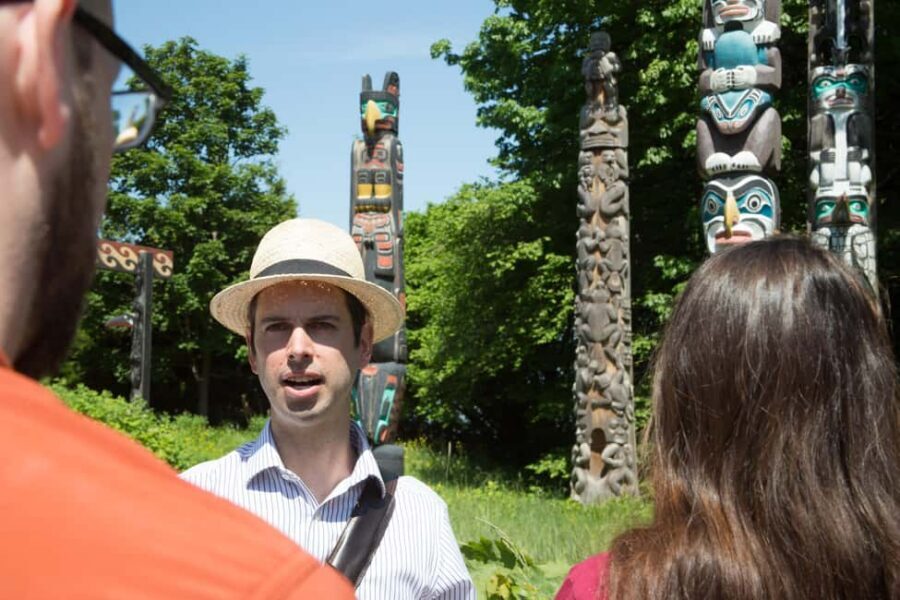
This is a 2-hour walking tour. The time goes fast because it’s built like a sequence of stops with stories attached—forest trails, then village sites, then Deadman’s Island context, then cemeteries and crime narratives, and finally the totem pole and viewpoint moments.
The walking itself is the “transportation.” So plan like you would for a city-side hike: wear comfortable clothes, solid shoes, and bring water. Sunscreen is smart even in cooler weather, and weather-appropriate layers help because Vancouver can shift quickly.
One more practical note: pets aren’t allowed. Also, if you’re ill or recently exposed, skip the tour. The tour notes follow ongoing preventative measures and asks guests not to attend if they are feeling ill.
Price and value: what $28 buys you in real terms
At $28 per person for 2 hours, this tour sits in the “small fee, big payoff” category if you care about meaning. You’re paying for an intimate guided experience with a local expert, not just general sightseeing.
The value isn’t only the number of stops. It’s the way the guide connects multiple storylines:
- long-term Coast Salish presence, then displacement
- epidemics and the island’s use during smallpox outbreaks
- legends tied to conflict and survival
- cemeteries and crime-story context that reframes what you see in the park today
That’s why the price feels fair. If you try to self-guide this without a storyteller, you might see the totem poles and the seawall and miss what makes the park’s history feel lived-in and complicated. With the guide, you’re not chasing facts—you’re getting a guided narrative that helps you remember what matters.
Who should book this Stanley Park dark-history tour?
Book it if you want Stanley Park to feel like more than views and trees. You’ll like this tour if you enjoy:
- history that deals with real consequences, not only neat timelines
- story-driven guides who can keep attention while covering hard topics
- the mix of famous landmarks (totem poles) and less-used corners (hidden trails, cemeteries, ghost stumps)
Skip it if you want a light, family-only nature walk. It’s not suitable for wheelchair users, and it includes adult themes. If you’re traveling with kids, stick to the guidance: 10+ only with parent comfort about mature subject matter.
Also, if you’re a first-timer to Stanley Park, this tour is a strong choice. It gives you a mental map that makes future walks more interesting.
Should you book it or pass?
I’d book this tour if you want Stanley Park with context. The combination of forest trails, Coast Salish village site history, Deadman’s Island context, and crime-story narratives makes it far more memorable than the standard “famous places” approach.
Pass if you’re looking for quiet scenery with no heavy themes, or if accessibility and mature content won’t work for your group. For the right mindset, the $28 price and 2-hour length feel like a smart use of time in Vancouver—short enough to fit your day, long enough to change how you see the park.
FAQ
Where does the tour start?
You meet outside the Vancouver Aquarium at the Whale sculpture on 845 Avison Way in Stanley Park.
How long is the Stanley Park dark secrets tour?
The tour lasts 2 hours.
How much does it cost?
The price is $28 per person.
What should I bring?
Bring comfortable shoes, water, drinks, sunscreen, cash, and weather-appropriate clothing.
Are pets allowed on the tour?
No, pets are not allowed.
Is this tour suitable for kids?
It’s designed for adult audiences with mature subject references. The age recommendation is 14+, and children aged 10+ can attend if parents are comfortable with the mature subject matter.
Is the tour wheelchair accessible?
No, it is not suitable for wheelchair users.