REVIEW · GASTOWN TOURS
Gastown, the origins of Vancouver
Book on Viator →Operated by MORTOUR GUIDED TOURS · Bookable on Viator
Gastown tells Vancouver’s origin story in one walk. I like the way a professional guide turns street corners into cause-and-effect city history, and I really enjoy the private format, which keeps the pace human and the questions answered. In a short time, you get a concentrated look at why this neighborhood matters.
One possible drawback to keep in mind: the experience is weather-dependent and walking-based, so if you’re not comfortable on your feet, you may find it less enjoyable than you hoped. Also, as with any small guided service, it’s smart to keep your confirmation handy close to departure in case anything changes last minute.
In This Review
- Key things to know before you go
- Why Gastown feels like Vancouver’s origin story
- A 75-minute route that packs real sights
- Steam Clock and the other Gastown icons
- Dry Law alleys and the stories guides argue about
- From the 1914 rail era to Main Street and Expo 86
- Private guiding, language options, and why your questions matter
- Price, timing, and weather: getting value
- Should you book this Gastown origins tour?
- FAQ
- How long is the Gastown guided tour about?
- How much does the tour cost?
- Is this tour private or shared with strangers?
- What languages are available?
- Where does the tour start and end?
- Is there a mobile ticket?
- What happens if weather is bad or plans change?
Key things to know before you go
- A tight 1 hour 15 minutes that covers the main Gastown story beats without dragging.
- Private touring means only your group participates, so it doesn’t feel like a conveyor belt.
- Gastown icons on the route like the famous steam clock and other landmark buildings and bars.
- Prohibition-era Dry Law alley stories add real edge to the neighborhood’s early days.
- Historic anchors include the 1914 train station era and later connections toward Main Street and Expo 86.
- Language options include English, Spanish, and Chinese, plus a mobile ticket for easy check-in.
Why Gastown feels like Vancouver’s origin story
If Vancouver were a book, Gastown is the first chapter written in brick, soot, and street-level hustle. Even though the city is younger than many East Coast or European places, this area carries big symbolism. You’ll see how a few blocks became the kind of seed that attracts people, business, and eventually civic pride.
I like that this tour doesn’t treat Gastown as just cute cobblestones and photos. It frames the neighborhood as a working place where early Vancouver life happened—complete with characters, trade, and the underground side of law-and-order. That’s what makes the walking experience more than sightseeing.
You can also read our reviews of more tours and experiences in Vancouver.


A 75-minute route that packs real sights
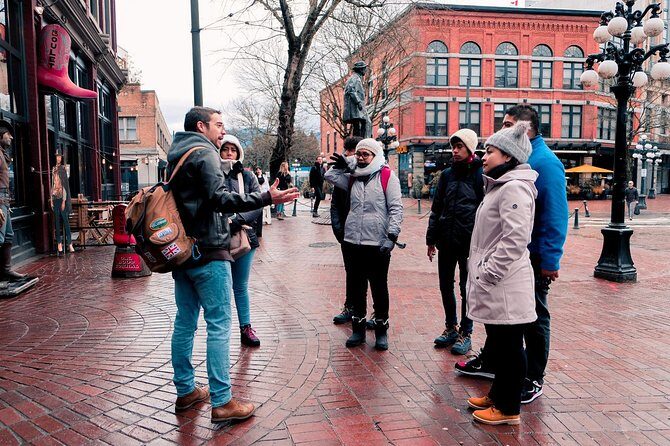
This is designed as a focused walk—about 1 hour 15 minutes—so you won’t be stuck wandering while others check their phones. The tour format is private, and the duration is short enough that you can still plan the rest of your day without stress.
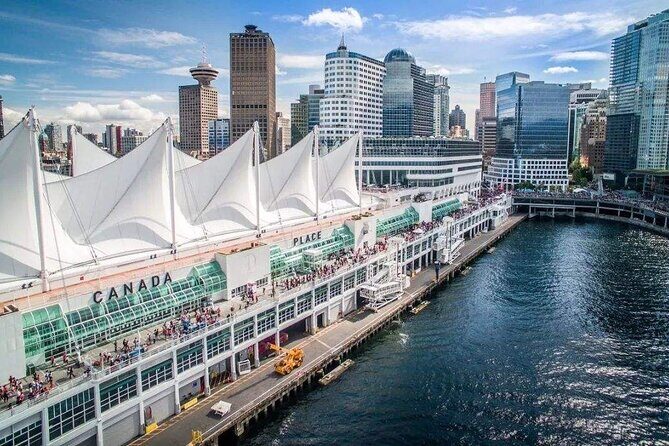
You’ll start at 4 Powell St, Vancouver and end near Canada Place at 999 Canada Pl. That end point matters. If you’re doing a longer itinerary (harbor stroll, views, or grabbing food afterward), landing near Canada Place is convenient. And because it’s close to public transit, it’s easy to fold into a normal day around downtown.
The schedule also gives you options. There are various departure times, so you can usually pick something that fits your energy level and your weather window. And because the tour is weather-dependent, it’s worth dressing for the possibility of damp or cool walking conditions.
Steam Clock and the other Gastown icons
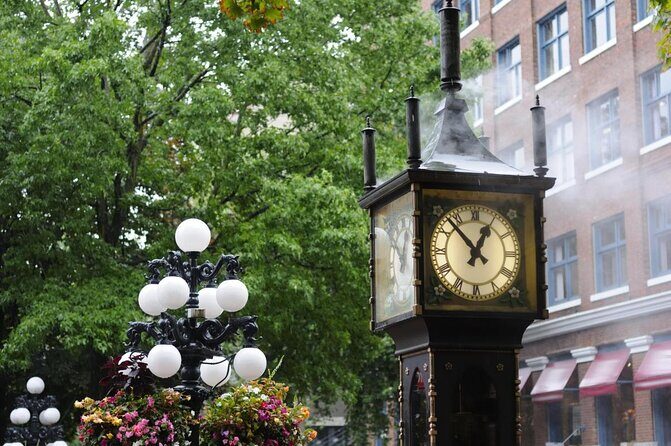
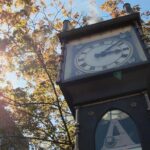
Gastown’s best-known photo magnet is the steam clock, and it’s included as a stop for a reason. It’s not just a quirky gadget; it points to how the city used industrial systems and practical engineering in daily life. When you stand there, you can picture how technology shaped the street experience—temperature, movement, and the feel of the neighborhood.
You’ll also visit a mix of classic landmarks:
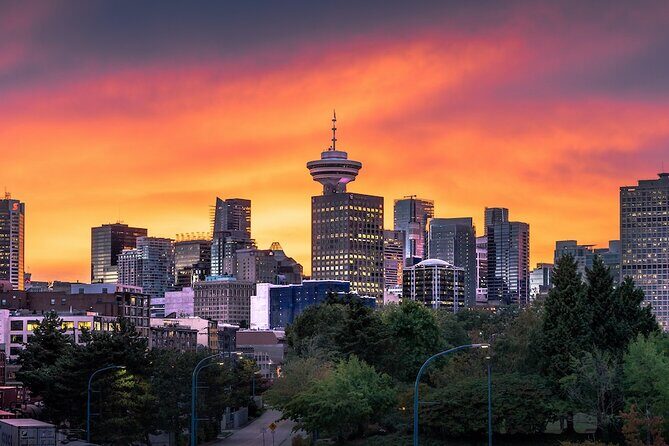
- An emblematic lookout building, a recognizable piece of Vancouver’s skyline language. Even if you don’t take stairs to a viewpoint, the stop gives you a mental map of how the modern city layers onto the older blocks.
- An emblematic bar with more than 120 years, the kind of location that makes history feel like it’s still going. Old bars often become social time capsules: where locals gathered, where stories got exchanged, and where the neighborhood’s identity got reinforced.
- The neighborhood’s main street feel, so you’re not only trapped in alleys. This helps you understand the grid and why certain blocks gained importance.
And yes, you’ll be set up for great photos. But the value is that the guide connects the “what you see” to the “why it’s here,” so your pictures end up meaning more than just a pretty shot.
Dry Law alleys and the stories guides argue about
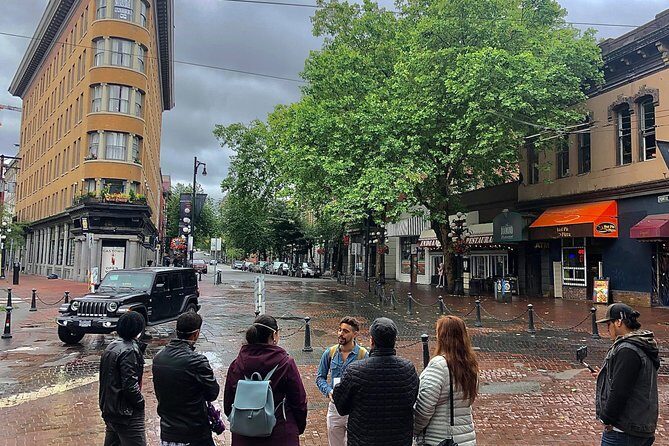
The tour includes Gastown’s side lanes—specifically the alleys where murky business happened during the Dry Law era. This is where the neighborhood earns its edge. You’re not just hearing about the city’s winners; you’re learning about the gray area that forms when laws, money, and human behavior collide.
You’ll hear stories tied to early twentieth-century buildings too. That matters because the architecture isn’t random decoration. Older structures often reflect who had wealth, who needed space, and what industries were pushing the neighborhood forward.
One thing I appreciate is that guides can bring different emphases. In past experiences with this operator, guides such as Fernando have been praised for being patient and answering questions clearly. Ken has also been noted for being friendly and strongly focused on the origins angle. That question time is where you can really get value—especially if you want context rather than just a spoken route.
That said, there’s a potential pitfall to be aware of: one negative experience described a guide reading from notes and delivering an opinionated take about the Gassy Jack statue and Indigenous perspectives. That doesn’t mean this will happen on your tour. It just means you should choose your expectations: this is a history walk, and history sometimes includes interpretation. If you care about how these stories are framed, come ready to ask follow-up questions.
From the 1914 rail era to Main Street and Expo 86
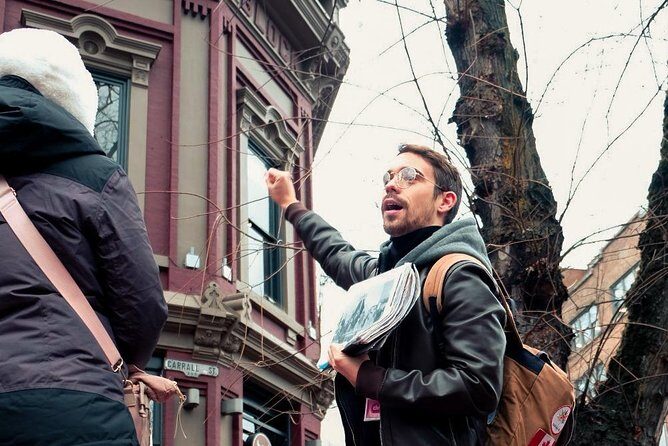
Gastown’s story doesn’t stop in the early years. Part of what makes this tour useful is that it threads from the neighborhood’s origins toward broader Vancouver development.
A highlight is the stop at Vancouver’s train station opened in 1914. A rail station is never only about trains. It’s about what rail made possible: easier movement of people, goods, and ideas. When you connect that to an origin neighborhood like Gastown, the message becomes obvious—Gastown didn’t grow in isolation. It benefited from transportation links that pulled Vancouver into regional (and later international) networks.
You’ll also get stops tied to:
- Main Street, which helps you understand the neighborhood as a lived-in corridor, not only an attraction.
- An Expo 86 venue stop, which shifts the timeline forward. Expo 86 is a landmark in Vancouver’s self-presentation to the world, and even a brief mention can help you see how modern identity builds on earlier city infrastructure and ambition.
This “then and now” structure is great if you want to avoid the common trap of one-dimensional tours. You leave with a clearer sense of how Vancouver grew from a young settlement into a city with global touchpoints.


Private guiding, language options, and why your questions matter
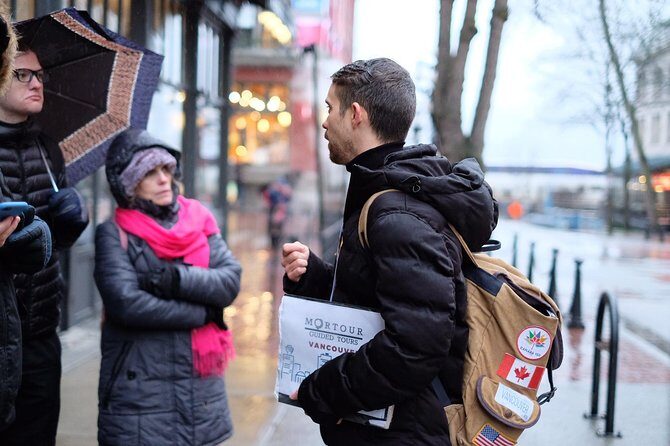
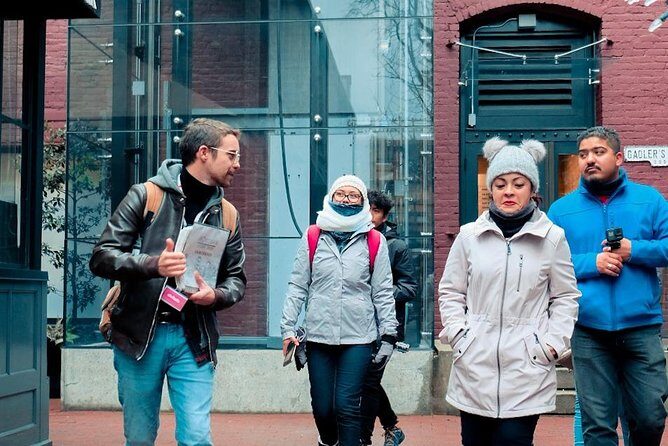
Because this is a private tour, the experience doesn’t have to compete with other groups. That tends to make the walking pace feel calmer and the route more adaptable. It’s also a big deal if you’re the type who asks questions when something catches your interest.
Language support is another practical strength. Tours are offered in English, Spanish, and Chinese. So if you’re traveling with mixed-language needs, you have a workable option.
From the way guides are described in past positive experiences, people appreciate clear explanations and patience. Fernando is specifically praised for history knowledge and for taking time with questions. Moises has also been referenced positively for showing the origins of Vancouver. And Ken is noted for friendly, well-timed storytelling. That aligns with what you want in a tour like this: not just facts, but a guide who can steer the story when you’re curious.
Price, timing, and weather: getting value
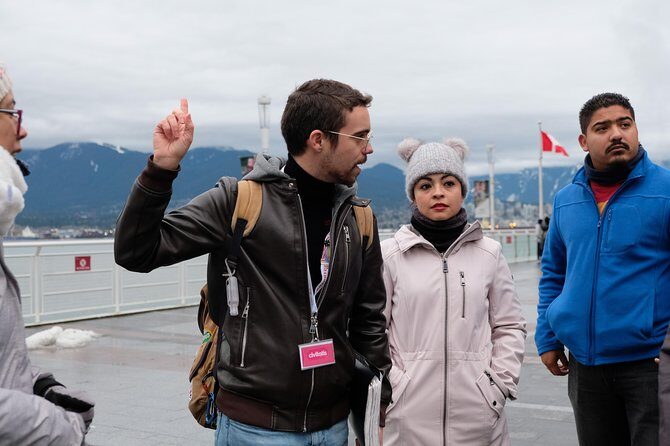
At $52.45 per person for about 1 hour 15 minutes, you’re paying for a short, structured guided experience focused on Gastown’s origins and key landmarks. Is it cheap? No. But the value comes from the concentration: multiple iconic stops plus thematic context (origins, Dry Law alley stories, historic buildings, and timeline connections).
Also, this tour is often booked about 43 days in advance, which suggests real demand for an easy downtown activity. If you have a tight itinerary, I’d aim to book earlier rather than waiting for the last week.
The other value lever is weather. Since it requires good weather, you should expect the operator to adjust if conditions are poor. Walking tours are at their best when you can actually enjoy being outside and moving at a relaxed pace.
Should you book this Gastown origins tour?
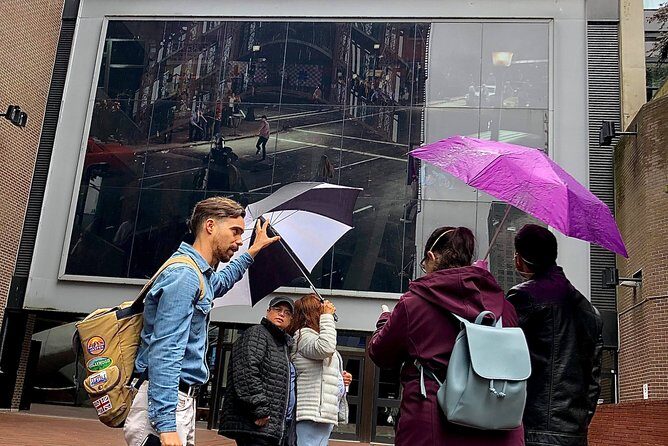
Book it if you want:
- A focused Gastown walk with real story context, not just landmark spotting.
- Private guiding where your group can ask questions and keep the pace comfortable.
- Icon stops like the steam clock plus historic anchors such as the 1914 train station.
Pass or reconsider if:
- You struggle with walking time and uneven streets.
- You’d rather have a purely factual, neutral narrative. Some parts of city history involve interpretation, and guides may frame those themes differently.
FAQ
How long is the Gastown guided tour about?
It lasts approximately 1 hour 15 minutes.
How much does the tour cost?
The price is $52.45 per person.
Is this tour private or shared with strangers?
This is a private tour/activity, meaning only your group participates.
What languages are available?
The tour is offered in English, Spanish, and Chinese.
Where does the tour start and end?
You start at 4 Powell St, Vancouver and end at Canada Place, 999 Canada Pl, Vancouver.
Is there a mobile ticket?
Yes, it includes a mobile ticket.
What happens if weather is bad or plans change?
The experience requires good weather. If it’s canceled due to poor weather, you’ll be offered a different date or a full refund. You can also cancel for a full refund up to 24 hours in advance, but not within 24 hours of the start time.
If you want, tell me your travel dates and what else you’re doing in Vancouver that day (Stanley Park bike time, food stops, museum plans). I’ll suggest a simple itinerary order around this tour.