Banff is even better with ice in the mix. This 4-day guided route strings together Banff Gondola views, the Columbia Icefield Ice Explorer, and postcard lakes like Lake Louise and Moraine Lake, with hotel stops that keep you from rushing nonstop. You’ll also drive through Glacier and Yoho National Parks, with classic glacier color stops along the way.
I especially like two things: the tour includes the big ticket items (Banff Gondola and the Ice Explorer) plus national park admissions and Moraine Lake access, so you spend less time hunting tickets. I also like the comfort factor—an air-conditioned coach, professional driver/guide, and 3 hotel nights built into the itinerary.
One consideration: this is a group tour, and language can be an issue. One review specifically called out that the tour ran in Chinese even though English was shown in the listing, so you’ll want to confirm guide language before you book. Also, plan for long drive days.
Key things I’d pay attention to
- Banff Gondola + Sulphur Mountain with panoramic views over six mountain ranges
- Columbia Icefield Ice Explorer plus a Skywalk-style stop as part of the same block
- Lake Louise and Moraine Lake access (with dates-based Moraine Lake entry)
- Glacier and Yoho National Parks through routes like Rogers Pass and the Yoho area
- Okanagan warm-up in Kelowna with Grizzli Winery and Okanagan Lake
- Long-seat reality: this is a classic big-sights coach itinerary
In This Review
- Vancouver to the Okanagan Winery: a warm-up before the Rockies
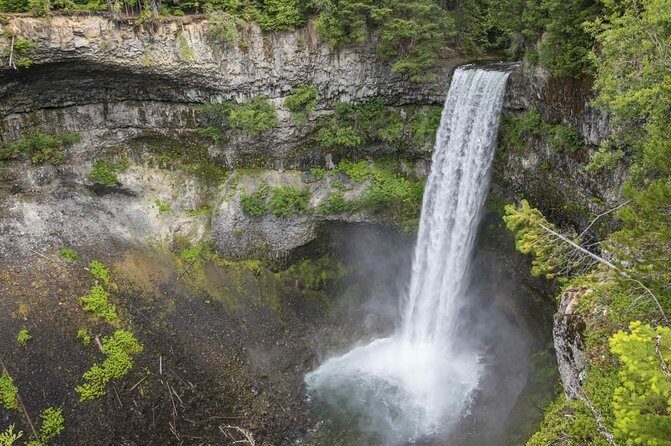
- Rogers Pass to Yoho National Park: waterfalls and mountain walls on the way in
- Ice Explorer at the Columbia Icefield: the stop you plan around
- Bow Lake, Peyto Lake, and Banff Town: glacier color to resort town contrast
- Sulphur Mountain Gondola and Bow Falls: Banff at a higher altitude
- Lake Louise and Moraine Lake access: timing your postcard moments
- Hotel nights in Banff/Revelstoke/Salmon Arm: what “included comfort” really means
- Price and value for $853: what’s included, and where extras can sneak in
- Day 4 rail history and ginseng: the less-famous BC stops that add flavor
- Should you book this Banff, Moraine Lake, and Icefield tour?
- FAQ
- What does this 4-day tour include?
- Does the tour include Moraine Lake access?
- Are meals included?
- What guided activities are included besides the ice ride?
- What time does the tour start?
- How long is the tour?
- How big is the group?
- What kind of vehicle is used?
- Is this tour dependent on weather?
- What should I bring for the tour?
Vancouver to the Okanagan Winery: a warm-up before the Rockies
The best part of starting this tour outside the Rockies is that it eases you into the trip. Day 1 focuses on the drive south from Vancouver toward the Okanagan Valley, with a morning stop in Merritt and a proper winery visit in Kelowna.
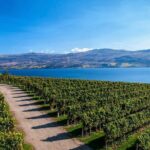
Grizzli Winery is the first scheduled highlight. It’s set in the heart of the Okanagan Valley—mountains, lakes, and that dry BC sunshine that makes wine country feel like a different world than coastal Vancouver. You’ll also get time around Okanagan Lake, known for clear water and limited algae growth, especially deeper down. Even if you’re not a wine person, this works as a low-stress reset: you get scenery, fresh air, and a break from sitting in transit.
From there, the day ends in either Revelstoke or Salmon Arm for your overnight. That matters because the next day’s route toward Banff is all about distance—so stretching the trip with one more inland overnight helps you keep your legs from feeling like rubber.
If you like your travel day plans simple, Day 1 is simple: drive, a scenic winery stop, lake time, then sleep.
Rogers Pass to Yoho National Park: waterfalls and mountain walls on the way in
Day 2 is where the trip turns seriously scenic. You head toward the Rocky Mountains via Highway 1, passing through Rogers Pass in Glacier National Park. Rogers Pass is one of those “you’re not sure you’ll get much out of a drive” places—then you look out and realize you’re inside the mountain story. You’re surrounded by snow-capped peaks and glacier country even when you’re still early in the day.
After that, you enter Banff National Park through Yoho National Park. Yoho is famous for tall rock walls, waterfalls, and dramatic peaks, and this stop is a quick introduction to that steep, dramatic side of the Rockies. Your scheduled Yoho time is short, so keep expectations realistic. This isn’t a long hike day; it’s more like a guided “get your bearings fast” hit.
You’ll then roll toward the Icefield area, and that’s the time block most people remember. The drive between stops isn’t optional, but it is structured: the itinerary places nature moments like Bow Lake and Peyto Lake after your Icefield day, so the day isn’t just one long blur.
Practical tip: pack for changing conditions. Even in summer, you can go from warmer highway air to colder Icefield zones quickly.
You can also read our reviews of more tours and experiences in Vancouver
Ice Explorer at the Columbia Icefield: the stop you plan around
The Columbia Icefield is the star, and the tour builds the day around it. You’ll get a scheduled 90-minute block labeled around the Icefield area, including the Ice Explorer ride (and a Skywalk-style stop is shown as part of that same block).
What makes this valuable isn’t just that it’s famous. It’s the scale. The Columbia Icefield is described as a massive remnant of ancient glaciers and is huge—over 130 square miles (325 km²). That size is hard to grasp until you’re physically there, watching ice formations and terrain that feel older than everything around you.
The Ice Explorer portion is the practical highlight: it’s designed to get you onto the ice in a way you simply can’t do on your own. You’re trading time in the bus for time where you can actually experience glacier ice up close. It’s also the part of the itinerary where guided time is doing real work—keeping you on schedule so you don’t miss entry timing or required checkpoints.
A heads-up based on how this type of tour typically works: ice-country stops can be weather-sensitive. The tour notes that it requires good weather, and guides may adjust schedules based on weather or traffic. So if the Ice Explorer is a must-do for you, this is the day to be patient—don’t build any other strict plans right after it.
Bow Lake, Peyto Lake, and Banff Town: glacier color to resort town contrast
After the Icefield, the itinerary moves through classic “glacier lake views” on the route back toward Banff.
Bow Lake is a short stop north of Lake Louise, off the Icefields Parkway (Highway 93). It’s listed as about 30 minutes north of Lake Louise and sits near the Crowfoot Glacier area. Even with limited time, it’s a good breather after the Icefield ride. You’re switching from a ride-on-ice experience back to viewing and photos.
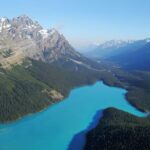
Then comes Peyto Lake, known for its bright turquoise look. The reason is built into the description: glacial rock powder (rock flour) flows into the lake every summer, and that creates the vivid color. So if you’ve ever wondered why some lakes look unreal in photos, this is one of the spots where the explanation is right there.
After that, you reach the town of Banff for about an hour. This is not a deep-dive into Banff restaurants or shopping marathons. It’s more like a reset and a chance to stretch your legs in a real town setting. You also start positioning yourself for the next day’s bigger Banff sights—especially Sulphur Mountain.
One practical note: Day 2 is a lot of stops spread across a huge region. If you get car-sick easily, plan ahead with hydration and motion comfort. This is a coach itinerary with long drive blocks between photo moments.
Sulphur Mountain Gondola and Bow Falls: Banff at a higher altitude
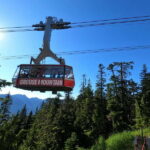
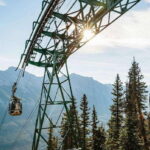
Day 3 begins with a view-focused morning. You’ll take the Banff Gondola up Sulphur Mountain for panoramic scenery that includes Banff Town and multiple mountain ranges. The gondola ride is scheduled as about an hour, and the description highlights views of six mountain ranges, including the iconic Fairmont Banff Springs area.
That hour matters because the whole point of a gondola day is efficiency. You get the height and the sweeping views without the time cost of a long hike. If you’re visiting for the first time and want that “I get it now” perspective, this is one of the quickest ways to do it.
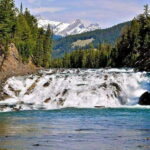
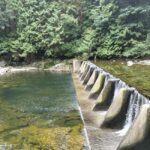
Then you shift to something lower and closer: Bow Falls. It’s a major waterfall on the Bow River, and it’s also famously featured in the 1953 Marilyn Monroe film River of No Return. The scheduled time there is short—about 10 minutes—but it’s a strong payoff in a compact package.
From there, the itinerary lines up Lake Louise and Moraine Lake for later in the day.
Pro tip for this type of schedule: eat something simple before you start hopping between stops. The itinerary gives time for an optional lunch in the Lake Louise area, but you don’t want your energy to crash while you’re trying to enjoy the lakes.
Lake Louise and Moraine Lake access: timing your postcard moments
This is the day’s big emotional payoff. First up is Lake Louise Village for an optional lunch, then Lake Louise itself for about 1.5 hours, followed by Moraine Lake for about 30 minutes.
Lake Louise is described as one of the world’s most awe-inspiring mountain destinations and sits within Banff National Park. You’ll have time for sightseeing around the lakeshore area and photos, without feeling like you’re being dragged through a checklist at breakneck speed.
Then comes Moraine Lake, called out as one of Canada’s most amazing sites and described as more of a must-discover stop. The key practical detail is access: the tour includes a Moraine Lake access fee for dates between June 1 and Oct 13. If your trip falls outside those dates, you’ll want to double-check how the operator handles the substitution, since access can change seasonally.
Moraine Lake is also a good example of why guided time matters. Even a half-hour there can feel like enough when you’re arriving with the right timing and not fighting parking or ticket uncertainty. The itinerary makes the lake stops sequential, so you’re not jumping across the region at random. You’re moving in the most logical order based on geography and drive time.
If I had to give one piece of advice for lake days, it’s this: bring layers and be ready for wind. Lakes can look calm in the morning and turn breezy fast in the afternoons, and you’ll enjoy yourself more if you aren’t constantly adjusting clothing.
Hotel nights in Banff/Revelstoke/Salmon Arm: what “included comfort” really means
The tour includes 3 nights of hotel stays, which is a big part of why this can feel worth it compared with doing everything DIY. The hotels are in the Banff/Revelstoke/Salmon Arm pattern based on the itinerary days, and rooms are set up with either two Full/Double beds or one King/Queen bed depending on availability.
Two practical details from the tour info that you should keep in mind:
- Room occupancy: maximum of four travelers per room. If you’re booking more than four in a group or you want separate rooms for your own comfort, you’ll need to book accordingly.
- Bed types vary: what you get depends on hotel availability day-of check-in, not a guaranteed layout.
There’s also mention of discounted pricing for the 3rd and 4th guests in a room, intended to keep people sharing the same accommodation on the same bus. If you’re traveling with friends and want to split costs, this is useful to know—just make sure you’re aligned on room sharing.
One more point: the review you want to pay attention to wasn’t about the hotel itself; it was about service. A 4/5 review praised the guide named Dale as responsible and experienced, and it also said the driver was professional and kind. That same review mentioned the group did what they could for meal needs. So when you’re tired from long drives, it helps to know the guide is managing the day with care.
Price and value for $853: what’s included, and where extras can sneak in
At $853 per person, this tour isn’t cheap. The question is: does it save you enough effort and ticket hassle to justify the cost?
Here’s what’s included, based on the tour details:
- Banff Gondola and Ice Explorer entrance tickets
- National park admissions
- Moraine Lake access fee (for June 1 to Oct 13 dates)
- Hotel: 3 nights
- Professional driver and guide
- Gratuities for the driver and tour guide
- An air-conditioned vehicle
- Pickup and drop-off at multiple locations
- Rocky Mountain meals and tax fees only if you pick the price option that includes them
And what can be extra:
- If you choose the pricing option without meals, then breakfast/lunch/dinner coverage isn’t included
- Meals, food, and beverages not covered by the included meals
- Personal expenses
- Any delays due to weather/traffic/flight changes (the tour notes the itinerary can adjust and fees won’t be refunded for changes)
The value equation is pretty clear. You’re paying for ticketed experiences in two of the hardest-to-plan areas (Banff Gondola and Ice Explorer), plus you’re paying for hotel nights and the long-distance driving all in one organized package. If you tried to match that on your own, you’d still pay for park entries, lodging, and the time costs of transportation.
So the main “value risk” is meal coverage. Before you lock in, check whether you selected the meal-included price option. If you didn’t, you’ll likely want a budget for food stops during the day.
One more thing: group size is capped at 55 travelers, which is large enough to keep costs reasonable but small enough that you’re still dealing with a managed flow rather than a giant free-for-all.
Day 4 rail history and ginseng: the less-famous BC stops that add flavor
Not every Rockies trip gives you a Day 4 that feels like anything besides driving. Here, the last day includes some detours that break up the mountain rhythm.
You’ll start with the historic Last Spike at the Pacific Railroad Memorial, marking the completion of Canada’s transcontinental railway. The ceremony is noted as November 7th, 1885, with Donald Smith driving the final ceremonial railway spike into the CPR track. It’s a short stop (about 20 minutes), but it gives you a different lens on why trains and routes mattered for building Canada’s interior.
Then the itinerary heads to Kamloops for Sunmore Ginseng, described as an American ginseng producer tied to local fertile soil and semi-desert dry climate conditions. The stop is about 45 minutes, and it’s an interesting contrast to the glacier-and-lake theme of the earlier days.
After that comes Hope, a small town where you’ll get about 30 minutes to walk around and explore. The tone is simple: nature views and an easy pace. Finally, you pass by the Fraser Valley area on the way back.
This Day 4 structure is useful. It helps you end the trip without feeling totally exhausted, since you’re not stacking another set of big alpine lake stops after Icefield and Banff.
Should you book this Banff, Moraine Lake, and Icefield tour?
If you’re doing the Canadian Rockies for the first time, this tour is a strong match because it hits the major sights in a sequence that makes logistical sense: Ice Explorer first, then glacier lakes, then Lake Louise and Moraine Lake, with Banff Gondola in the middle.
You should book if:
- You want tickets handled for the big experiences
- You prefer a structured plan over trying to stitch together timings, park access, and lodging on your own
- You’re okay with long drive days in exchange for seeing a lot
You might pass (or at least confirm details) if:
- You need the tour in English and want to avoid any chance of language mismatch—one review flagged that language can run Chinese for this operator
- You dislike coach travel and long seated hours between stops
My final take: this is a “high-impact hits” trip. You’ll trade a bit of freedom for efficiency, and in the Rockies, that trade is often worth it.
FAQ
What does this 4-day tour include?
It includes entrance tickets for Banff Gondola and the Ice Explorer, plus national park admissions. It also includes Moraine Lake access fee for trips between June 1 and Oct 13, 3 hotel nights, and pickup and drop-off at multiple locations. Gratuities for the driver and tour guide are included.
Does the tour include Moraine Lake access?
Yes, Moraine Lake access fee is included for dates June 1 to Oct 13.
Are meals included?
Rocky Mountain meals and tax fees are included only if you select the price option that includes meals. If you choose the option without meals, then those breakfasts/lunches/dinners are not included.
What guided activities are included besides the ice ride?
Besides the Ice Explorer, the itinerary includes the Banff Gondola ride to Sulphur Mountain, plus guided sightseeing stops like Lake Louise, Moraine Lake, Bow Falls, and Yoho/Glacier National Park viewpoints.
What time does the tour start?
The tour start time is listed as 7:00 am.
How long is the tour?
The duration is listed as 4 days (approx.).
How big is the group?
The tour has a maximum of 55 travelers.
What kind of vehicle is used?
The tour uses an air-conditioned vehicle, with vehicle type based on group size.
Is this tour dependent on weather?
Yes. The experience requires good weather. If it’s canceled due to poor weather, you’ll be offered a different date or a full refund.
What should I bring for the tour?
Bring comfortable shoes and clothes, plus items like a sun hat, sunglasses, sunscreen, cash, and drinks for hydration.